
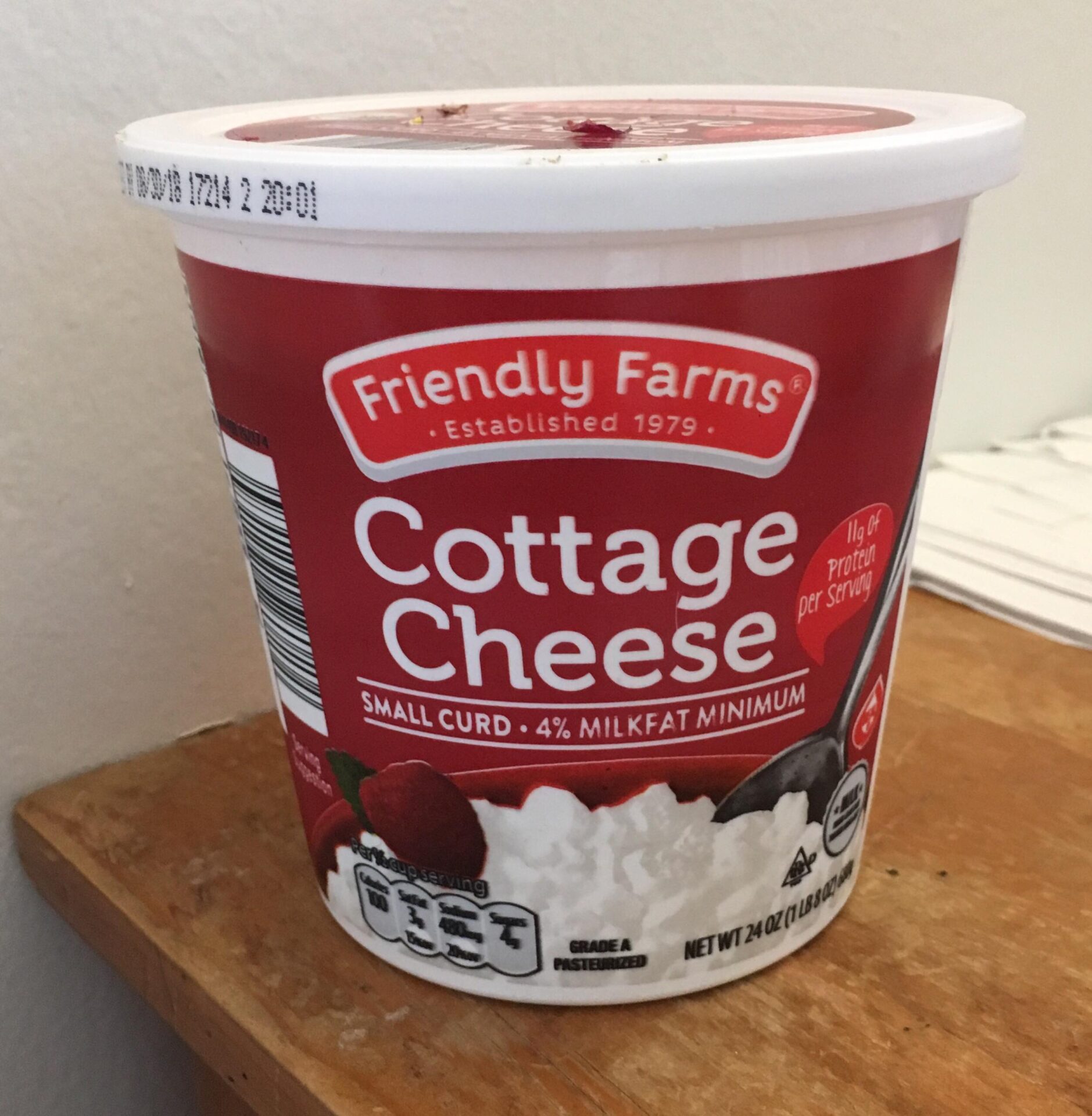


At a glance
Summary
This cottage cheese contains beneficial ingredients like cultured nonfat milk and cream, which provide protein and essential nutrients. However, the presence of corn starch and potassium sorbate indicates a higher level of processing and the use of synthetic additives, which detracts from its overall healthiness. While it is a processed product, it maintains some nutritional value but is not as clean as less processed dairy options.
Key ingredients 9
Cultured nonfat milkGood
Cultured nonfat milk is a primary source of protein and calcium, essential for bone health. The culturing process enhances digestibility and probiotic content. It is minimally processed, retaining most of its natural nutrients.
Benefits
Provides high-quality protein and calcium, supporting muscle and bone health. Contains probiotics that may aid in digestion.
CreamGood
Cream adds richness and flavor, contributing to the creamy texture of the product. It is a source of fat-soluble vitamins like A and D. When consumed in moderation, it can be part of a balanced diet.
Risks
Excessive consumption may lead to increased calorie intake and potential weight gain.
Benefits
Rich in fat-soluble vitamins and provides a creamy texture and flavor to the product.
WheyNeutral
Whey is a byproduct of cheese production and is a source of protein. It is often used to enhance the protein content of dairy products. While beneficial for protein intake, it does not significantly alter the nutritional profile of the product.
Benefits
Contributes additional protein, which is beneficial for muscle maintenance and repair.
SaltNeutral
Salt is used to enhance flavor and preserve the product. It is a common ingredient in cheese products. While necessary for flavor, excessive sodium intake can be a health concern.
Risks
High sodium intake can contribute to hypertension and cardiovascular issues.
Benefits
Enhances flavor and acts as a preservative.
Corn starchNeutral
Standard formulation ingredient — neither beneficial nor harmful at typical use.
Risks
May contribute to blood sugar spikes due to its refined nature.
Benefits
Provides texture and stability to the product.
Nonfat milkNeutral
Nonfat milk is a source of protein and calcium, similar to whole milk but without the fat content. It is often used to increase the protein content without adding fat. While beneficial for protein intake, it lacks the fat-soluble vitamins found in whole milk.
Benefits
Provides protein and calcium without added fat.
Citric acidNeutral
Citric acid is used as a preservative and to add acidity to foods. It is naturally found in citrus fruits and is generally recognized as safe. It helps maintain the freshness and flavor of the product.
Benefits
Acts as a preservative and enhances flavor.
Carbon dioxideNeutral
Carbon dioxide is used in food packaging to extend shelf life by reducing oxygen exposure. It is a naturally occurring gas and is safe for use in food products. It does not alter the nutritional profile of the product.
Benefits
Helps preserve freshness by reducing oxygen exposure.
Potassium sorbateBad
Potassium sorbate is a preservative used to inhibit mold and yeast growth. It is a synthetic additive that extends shelf life. While generally recognized as safe, some individuals may experience allergic reactions.
Risks
Potential for allergic reactions in sensitive individuals.
Benefits
Extends shelf life by preventing microbial growth.
Processing
Processed Foods
Get the full breakdown in the Scout appTake Scout shopping
Scan any product to see lab results, healthy alternatives, and your personalized analysis.
Download on theApp Store GET IT ONGoogle Play