


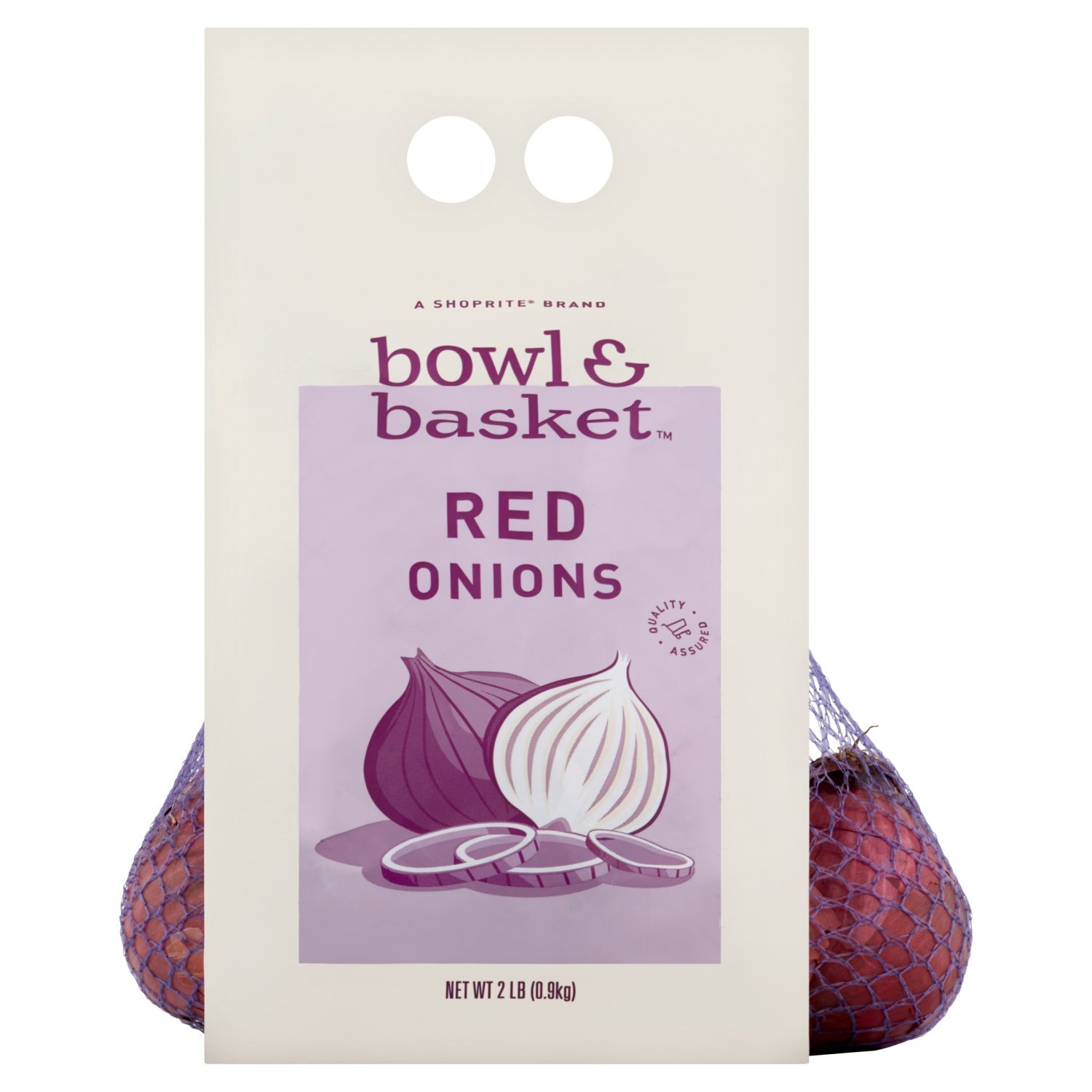


At a glance
Summary
This product contains organic onions and organic wheat flour, which are positive attributes due to their natural and minimally processed nature. However, the use of palm oil, a saturated fat with environmental concerns, and the processed nature of the product limit its healthfulness. The ingredient list is relatively clean, but the processing level prevents a higher score.
Key ingredients 5
Organic OnionsGood
Organic onions are a natural source of vitamins and antioxidants. Being organic, they are grown without synthetic pesticides or fertilizers, reducing potential exposure to harmful chemicals. They add flavor and nutritional value to the product.
Benefits
Rich in antioxidants and vitamins, supporting overall health and immune function.
Organic Wheat FlourNeutral
Organic wheat flour is a staple ingredient providing carbohydrates and some protein. Being organic, it is produced without synthetic pesticides or fertilizers. It serves as a binding and coating agent in fried products.
Risks
Contains gluten, which may cause issues for individuals with celiac disease or gluten sensitivity.
Benefits
Provides carbohydrates and some protein, contributing to energy supply.
Rice FlourNeutral
Rice flour is a gluten-free alternative to wheat flour, often used in coatings and batters. It is a source of carbohydrates and is generally well-tolerated. It helps achieve a crispy texture in fried foods.
Benefits
Gluten-free and provides carbohydrates, making it suitable for those with gluten intolerance.
SaltNeutral
Salt is used to enhance flavor and preserve food. It is a common seasoning but does not provide additional nutritional benefits. Excessive consumption can lead to health issues such as hypertension.
Risks
Excessive intake may lead to high blood pressure and related health issues.
Benefits
Enhances flavor and acts as a preservative in food products.
Palm OilBad
Palm oil is a highly saturated fat that can contribute to heart disease if consumed in excess. It is often criticized for its environmental impact due to deforestation and habitat destruction. However, it is stable at high temperatures, making it suitable for frying.
Risks
High saturated fat content may increase the risk of heart disease. Environmental concerns due to deforestation.
Benefits
Stable at high temperatures, making it suitable for frying and cooking.
Processing
Processed Foods
Get the full breakdown in the Scout appTake Scout shopping
Scan any product to see lab results, healthy alternatives, and your personalized analysis.
Download on theApp Store GET IT ONGoogle Play