


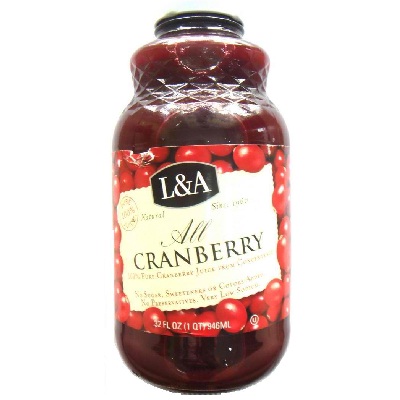

At a glance
Summary
This juice contains a blend of fruit juice concentrates, which provide natural sugars and some vitamins, but also contribute to a moderate level of processing. The presence of 'natural flavor' is a concern due to its lack of transparency, which can obscure the true quality of the product. While the juice is free from artificial sweeteners and dyes, the processing level and use of concentrates limit its score.
Key ingredients 8
Apple Juice ConcentrateGood
Apple juice concentrate provides natural sugars and some vitamins and minerals. It is a common ingredient in fruit juices due to its sweet flavor and nutritional content. The concentration process removes water, making it easier to store and transport.
Risks
Excessive consumption may contribute to high sugar intake.
Benefits
Contains natural sugars and some vitamins like vitamin C and potassium.
Grape Juice ConcentrateGood
Grape juice concentrate is rich in natural sugars and antioxidants such as resveratrol. It is valued for its potential heart health benefits and sweet flavor. The concentration process enhances its shelf life and transportability.
Risks
High sugar content may pose a risk if consumed in large quantities.
Benefits
Rich in antioxidants and natural sugars that provide energy.
Pear Juice ConcentrateGood
Pear juice concentrate adds natural sweetness and some vitamins and minerals to the beverage. It is often used in juice blends for its mild flavor and nutritional profile. The concentration process allows for easier storage and use in products.
Risks
May contribute to excessive sugar intake if consumed in large amounts.
Benefits
Provides natural sugars and some vitamins, contributing to the overall nutritional value.
Mandarin Juice ConcentrateGood
Mandarin juice concentrate provides natural sweetness and vitamin C. It is used for its citrus flavor and nutritional benefits. The concentration process makes it a convenient ingredient for juice blends.
Risks
High sugar content may be a concern if consumed excessively.
Benefits
Rich in vitamin C and natural sugars, contributing to the juice's nutritional profile.
Ascorbic Acid (Vitamin C)Good
Ascorbic acid is added to enhance the vitamin C content of the juice, providing antioxidant benefits. It is essential for immune function and skin health. As a common additive, it helps prevent oxidation and spoilage.
Benefits
Boosts vitamin C content, supporting immune health and acting as an antioxidant.
Filtered WaterNeutral
Filtered water is used as a base for many beverages and does not contribute any calories or nutrients. It is typically free from contaminants and impurities. It serves as a neutral medium to dilute juice concentrates.
See more about Filtered Water →Citric AcidNeutral
Citric acid is used as a natural preservative and flavor enhancer in beverages. It is commonly found in citrus fruits and is generally recognized as safe. It helps maintain the acidity and freshness of the juice.
Benefits
Helps preserve the product and enhance its flavor.
Natural FlavorBad
Natural flavor is a broad term that can include a variety of flavoring agents derived from natural sources. It lacks transparency, making it difficult to assess its health impact. The use of natural flavors can mask the true quality of the product.
Risks
Potential allergens or additives may be present without clear labeling.
Benefits
Enhances the flavor profile of the product.
Processing
Processed Foods
Get the full breakdown in the Scout appTake Scout shopping
Scan any product to see lab results, healthy alternatives, and your personalized analysis.
Download on theApp Store GET IT ONGoogle Play