


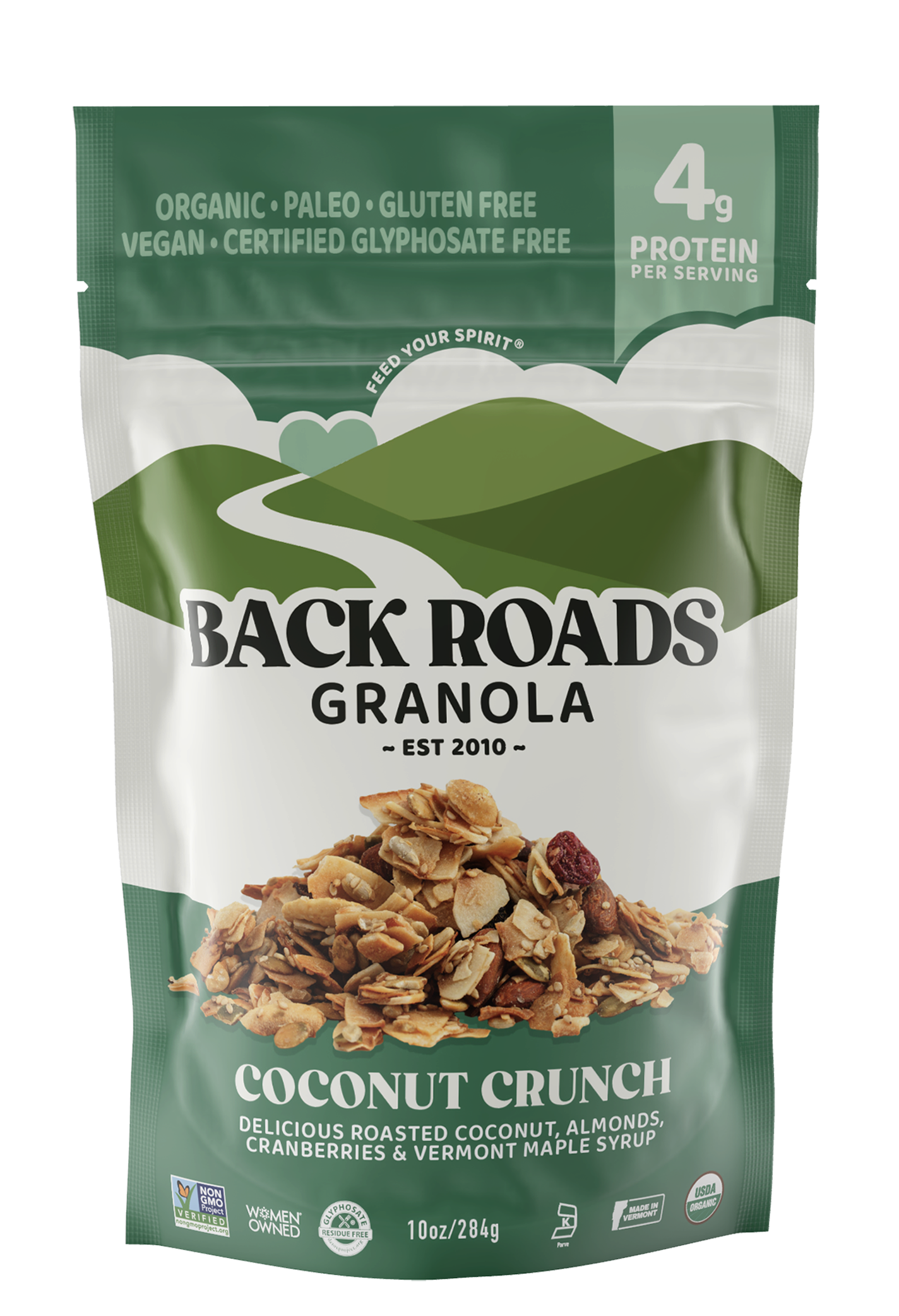

Coconut Cacao Granola
Summary
This granola contains beneficial whole grains and nuts, such as gluten-free oats, amaranth, millet, and almonds, which contribute to its nutritional value. However, it is heavily processed with ingredients like cane sugar, sunflower oil, and natural flavors, which are less desirable due to their refined nature and potential health impacts. The presence of these processed ingredients and the overall high level of processing limit its healthiness despite some nutritious components.
At a glance
Key ingredients 10
Gluten Free OatsGood
Gluten free oats are a whole grain that provide a good source of fiber and essential nutrients. They are minimally processed and help maintain digestive health. Compared to refined grains, they offer more nutritional benefits.
Benefits
Rich in fiber, which supports digestive health and helps maintain stable blood sugar levels.
AmaranthGood
Amaranth is a nutrient-dense pseudo-grain high in protein and essential amino acids. It is naturally gluten-free and provides a variety of vitamins and minerals. Its high protein content makes it a valuable addition to plant-based diets.
Benefits
Provides essential amino acids and is a good source of protein and fiber.
MilletGood
Millet is a whole grain that is rich in magnesium and other essential nutrients. It is gluten-free and supports heart health. Its nutrient profile makes it a beneficial alternative to more common grains.
Benefits
Rich in magnesium, which supports heart health and bone strength.
Coconut OilGood
Coconut oil is a source of medium-chain triglycerides (MCTs) that can provide quick energy. It is less processed compared to many seed oils and has a stable shelf life. Its unique fat composition may support metabolic health.
Risks
High in saturated fats, which may affect cholesterol levels if consumed in excess.
Benefits
Contains MCTs that can be quickly metabolized for energy and may support metabolic health.
AlmondsVery Good
Almonds are a nutrient-rich nut high in healthy fats, protein, and fiber. They are minimally processed and provide a range of vitamins and minerals. Their nutrient density makes them a beneficial addition to any diet.
Risks
Potential allergen for individuals with nut allergies.
Benefits
Rich in monounsaturated fats, vitamin E, and magnesium, supporting heart health and overall wellness.
Cane SugarBad
Cane sugar is a refined sugar that can contribute to increased blood sugar levels. It is highly processed and lacks nutritional benefits. Excessive consumption can lead to health issues such as obesity and diabetes.
Risks
High intake can lead to obesity, diabetes, and other metabolic disorders.
Chocolate ChipsNeutral
Chocolate chips contain sugar and cocoa, providing a sweet flavor but also adding refined sugars. They are moderately processed and can be enjoyed in moderation. The cocoa content offers some antioxidants, but the sugar content is a concern.
Risks
High sugar content can contribute to metabolic disorders if consumed in excess.
Benefits
Contains cocoa, which provides antioxidants that may support heart health.
HoneyNeutral
Honey is a natural sweetener that provides a source of simple sugars. It is less processed than refined sugars and contains trace amounts of vitamins and minerals. While it offers some health benefits, it should be consumed in moderation.
Risks
High sugar content can contribute to weight gain and blood sugar spikes.
Benefits
Contains antioxidants and trace nutrients that may offer health benefits.
Natural FlavorsBad
Natural flavors are a catch-all term for flavoring agents that can include a variety of substances. They are highly processed and lack transparency in their composition. Their inclusion can mask the use of artificial or less desirable ingredients.
Risks
Lack of transparency can lead to potential allergen exposure or consumption of undesirable additives.
Sunflower OilVery Bad
Sunflower oil is a seed oil high in omega-6 fatty acids, which can promote inflammation when consumed in excess. It is highly processed and often refined, which can degrade its nutritional quality. Compared to healthier oils, it offers fewer health benefits.
Risks
High omega-6 content may promote inflammation and imbalance omega-3 to omega-6 ratio.
Processing
Ultra-Processed Foods
Get the full breakdown in the Scout app
Scan any product to see lab results, healthy alternatives, and your personalized analysis.
Download on theApp Store