
:max_bytes(150000):strip_icc()/We-Tasted-12-Chicken-Broths-FT-BLOG0225-fa32620b6e9e47b4b9a3b8e3cd4028cc.jpg)



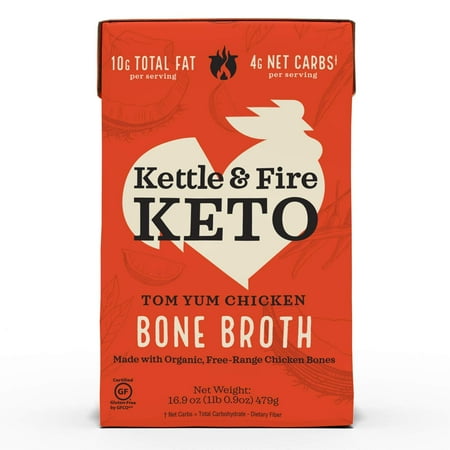
Chicken broth
Summary
This chicken broth is ultra-processed, which limits its healthiness despite containing some beneficial ingredients like turmeric. The presence of canola oil, a highly processed seed oil, further detracts from its nutritional quality. Additionally, the inclusion of flavor enhancers and concentrates contributes to its high processing level, impacting its overall score.
At a glance
Key ingredients 14
Chicken brothNeutral
Chicken broth is a common base for soups and sauces, providing flavor and some nutrients. It is typically made by simmering chicken bones and meat, which can extract minerals and gelatin. However, the nutritional content can vary widely depending on the preparation method.
Benefits
May provide some minerals and gelatin, which can support joint health and digestion.
Chicken flavorNeutral
Chicken flavor is often used to enhance the taste of broths and soups. It is typically derived from chicken or synthesized to mimic chicken taste. The quality and nutritional value depend on the source and processing methods.
Risks
Potential for artificial additives if not derived from natural sources.
Benefits
Enhances flavor without adding significant calories or fats.
Carrot juice concentrateNeutral
Carrot juice concentrate is used to add sweetness and color to foods. It is made by reducing carrot juice to a thicker consistency, concentrating its sugars and nutrients. While it provides some vitamins, the concentration process may reduce fiber content.
Risks
High in natural sugars, which can contribute to calorie intake.
Benefits
Contains beta-carotene, which is beneficial for eye health.
Sea saltGood
Unrefined sea salt — a minimally processed, natural source of sodium and essential trace minerals, and a legitimate whole-food seasoning. Treated as a positive ingredient.
Risks
Excessive sodium intake can lead to high blood pressure and cardiovascular issues.
Benefits
Provides essential minerals like magnesium and calcium in trace amounts.
Yeast extractNeutral
Yeast extract is used to enhance umami flavor in foods. It is derived from the breakdown of yeast cells, providing a rich source of B vitamins. It is often used as a natural flavor enhancer in processed foods.
Risks
May contain glutamates, which some individuals are sensitive to.
Benefits
Rich in B vitamins, which are essential for energy metabolism.
Onion juice concentrateNeutral
Onion juice concentrate is used for flavoring and is made by reducing onion juice to a thicker form. It retains the flavor and some nutrients of onions. The concentration process may reduce some beneficial compounds.
Benefits
Provides flavor and some antioxidants found in onions.
Onion powderNeutral
Onion powder is a dehydrated form of onion used for seasoning. It retains the flavor of fresh onions and is convenient for cooking. The dehydration process may reduce some of the fresh onion's nutritional benefits.
Benefits
Adds flavor and some antioxidants similar to fresh onions.
Potato flourNeutral
Potato flour is used as a thickening agent in soups and sauces. It is made by grinding whole potatoes into a fine powder. While it provides carbohydrates, it lacks significant protein or fiber.
Benefits
Provides a gluten-free thickening option for recipes.
Garlic powderNeutral
Garlic powder is a dehydrated form of garlic used for seasoning. It retains the flavor and some health benefits of fresh garlic. The dehydration process may reduce some of the fresh garlic's beneficial compounds.
Benefits
Contains allicin, which has potential antimicrobial properties.
Tomato pasteNeutral
Tomato paste is a concentrated form of tomatoes used to add flavor and color. It is made by cooking tomatoes for several hours, reducing water content. It retains lycopene, an antioxidant beneficial for health.
Benefits
Rich in lycopene, which may support heart health.
TurmericGood
Turmeric is a spice known for its anti-inflammatory properties. It contains curcumin, a compound with potential health benefits. It is often used in small amounts for flavor and color.
Benefits
Contains curcumin, which may reduce inflammation and support joint health.
Carrot powderNeutral
Carrot powder is used for flavor and color, made by dehydrating and grinding carrots. It retains some nutrients like beta-carotene. The dehydration process may reduce some of the fresh carrot's nutritional benefits.
Benefits
Provides beta-carotene, which is beneficial for eye health.
Canola oilVery Bad
Canola oil is a seed oil high in omega-6 fatty acids, which can promote inflammation. It is often highly processed and refined, which may involve chemical solvents. Compared to healthier oils like olive or avocado, it is less beneficial.
Risks
High omega-6 content may promote inflammation when consumed in excess.
Spice and flavorNeutral
Spice and flavor are used to enhance the taste of foods. This term can encompass a variety of natural and artificial flavorings. The lack of specificity makes it difficult to assess the exact health impact.
Risks
Potential for artificial additives if not derived from natural sources.
Benefits
Enhances flavor without adding significant calories or fats.
Processing
Ultra-Processed Foods
Get the full breakdown in the Scout app
Scan any product to see lab results, healthy alternatives, and your personalized analysis.
Download on theApp Store