


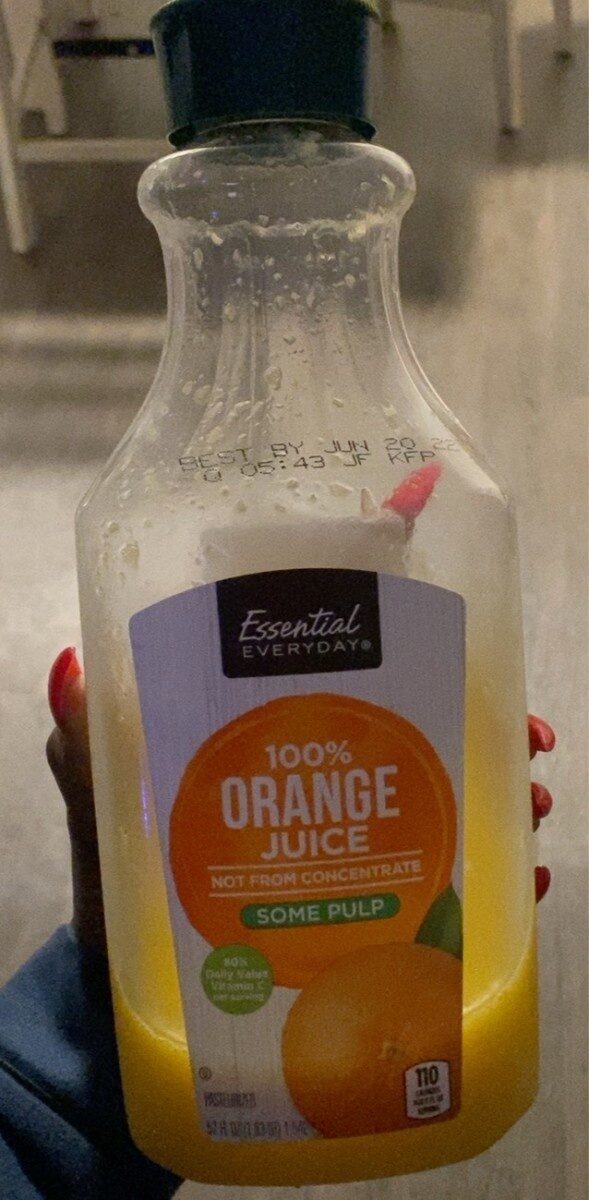

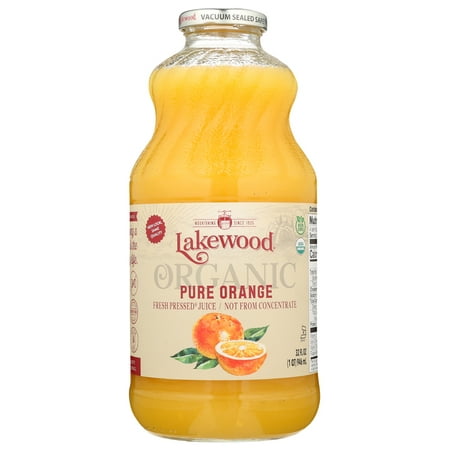
Orange juice with calcium and vit D
Analysis updated July 2026 · How Scout scores
At a glance
Summary
This orange juice is primarily composed of natural ingredients, including not from concentrate orange juice, which retains more nutrients and flavor. The product is fortified with beneficial nutrients like calcium and vitamin D, enhancing its nutritional profile without introducing harmful additives. The processing level is low, focusing on fortification rather than excessive processing, making it a healthy choice within its category.
Key ingredients 13
Orange JuiceGood
Orange juice is a natural source of vitamin C and other antioxidants, which support immune function and overall health. It is minimally processed when not from concentrate, retaining more nutrients. The natural sugars present are balanced by the nutritional benefits of the juice.
Risks
Excessive consumption can lead to high sugar intake, which may affect blood sugar levels.
Benefits
Rich in vitamin C and antioxidants, supporting immune health and providing essential nutrients.
Calcium CitrateGood
Calcium citrate is a highly absorbable form of calcium, beneficial for bone health. It is often used in fortified foods to enhance calcium intake without significant processing concerns. It is especially useful for individuals with low stomach acid.
Benefits
Supports bone health and is easily absorbed, making it a beneficial addition to fortified foods.
Calcium LactateGood
Calcium lactate is another form of calcium used in food fortification, known for its good bioavailability. It is less acidic than other calcium salts, making it gentle on the stomach. It helps in maintaining bone density and overall calcium levels.
Benefits
Provides a bioavailable source of calcium, supporting bone health and calcium intake.
Vitamin DGood
Vitamin D is essential for calcium absorption and bone health, and it supports immune function. Fortification with vitamin D helps prevent deficiencies, especially in populations with limited sun exposure. It is crucial for maintaining healthy bones and teeth.
Benefits
Enhances calcium absorption and supports immune health, making it a valuable addition to fortified foods.
Vitamin D3Good
Vitamin D3 is the most effective form of vitamin D for raising blood levels, supporting bone health and immune function. It is often added to foods to prevent deficiencies. It is particularly beneficial in regions with limited sunlight exposure.
Benefits
Supports bone health and immune function, enhancing the nutritional profile of the juice.
Tricalcium CitrateGood
Tricalcium citrate is a calcium salt used to fortify foods, providing a source of calcium that is well-absorbed. It helps in maintaining bone health and preventing calcium deficiencies. It is a common additive in fortified beverages.
Benefits
Contributes to calcium intake, supporting bone health and preventing deficiencies.
Not From Concentrate Orange JuiceGood
Not from concentrate orange juice retains more of the natural nutrients and flavor compared to concentrate. It undergoes minimal processing, preserving vitamin C and other antioxidants. It is considered a higher quality juice option.
Benefits
Retains natural nutrients and flavor, providing a rich source of vitamin C and antioxidants.
Tricalcium PhosphateGood
Tricalcium phosphate is used to fortify foods with calcium, supporting bone health. It is a stable compound that provides a reliable source of calcium in fortified products. It helps in maintaining adequate calcium levels in the diet.
Benefits
Provides a stable source of calcium, supporting bone health and dietary calcium intake.
WaterNeutral
Water is used as a base in many beverages, providing hydration without additional calories. It is a neutral ingredient with no significant health impacts. It serves as a carrier for other ingredients in the juice.
Benefits
Provides hydration and acts as a solvent for other ingredients.
Orange Juice ConcentrateNeutral
Orange juice concentrate is used to enhance flavor and sweetness, but it may undergo processing that reduces some nutrient content. It is reconstituted with water to form juice, maintaining a similar taste profile. The concentration process can lead to a loss of some volatile nutrients.
Risks
May contain less vitamin C compared to fresh juice due to processing.
Benefits
Provides flavor and natural sweetness to the juice.
Filtered WaterNeutral
Filtered water is used to ensure purity and remove impurities, providing a clean base for beverages. It is a neutral ingredient with no significant health impacts. It helps in diluting concentrated ingredients to achieve the desired consistency.
Benefits
Ensures purity and provides a clean base for the juice.
Potassium CitrateNeutral
Potassium citrate is used to regulate acidity and enhance flavor, with no significant health impacts. It is a neutral ingredient that helps maintain the pH balance of the juice. It is commonly used in beverages for its buffering properties.
Benefits
Helps regulate acidity and enhance flavor without significant health impacts.
Citric AcidNeutral
Citric acid is a natural acidulant used to enhance flavor and preserve freshness in beverages. It is widely used in the food industry and is generally recognized as safe. It helps maintain the acidity and stability of the juice.
Benefits
Enhances flavor and preserves freshness, contributing to the stability of the juice.
Processing
Processed Culinary Ingredients
Get the full breakdown in the Scout appTake Scout shopping
Scan any product to see lab results, healthy alternatives, and your personalized analysis.
Download on theApp Store GET IT ONGoogle Play