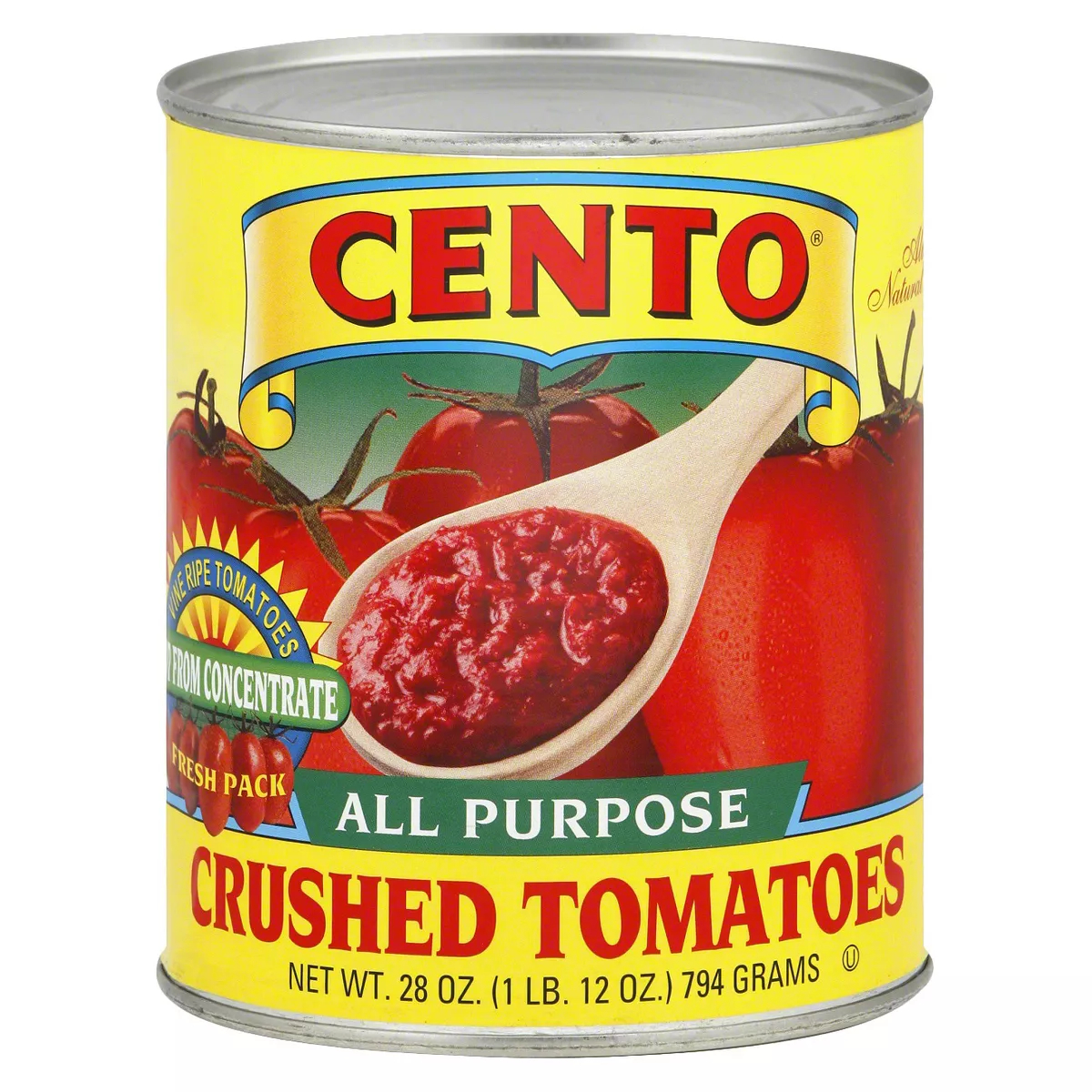
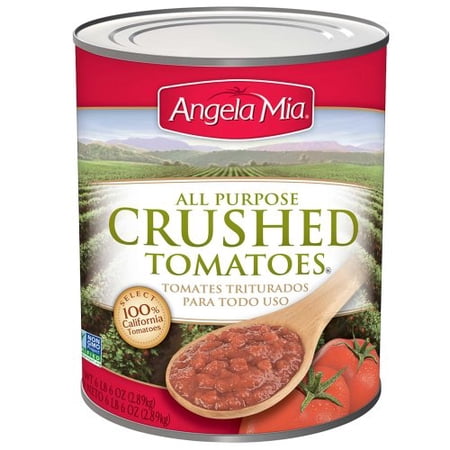
Crushed Tomatoes

At a glance
Summary
This product consists primarily of crushed and diced tomatoes with minimal additives, making it a relatively clean processed food. The presence of citric acid and calcium chloride is typical for canned tomatoes to maintain texture and acidity, but these do not significantly detract from its nutritional value. The product's simple ingredient list and absence of harmful additives like seed oils or artificial sweeteners contribute positively to its score, although its processing level limits the maximum possible rating.
Key ingredients 5
Crushed tomatoesNeutral
Crushed tomatoes are a minimally processed form of tomatoes, retaining most of their natural nutrients. They are typically canned with water and sometimes with added salt or acids for preservation. The processing method is simple, involving crushing and canning, which maintains the nutritional profile of the tomatoes.
Benefits
Rich in vitamins A and C, and a good source of lycopene, which may have antioxidant properties.
Diced tomatoes in juiceNeutral
Diced tomatoes in juice are a form of preserved tomatoes that maintain their nutritional content. They are canned with tomato juice and sometimes include additives like calcium chloride and citric acid for texture and preservation. The processing is minimal, focusing on canning and preservation.
Benefits
Provides vitamins and minerals similar to fresh tomatoes, including vitamin C and potassium.
Calcium chlorideNeutral
Calcium chloride is used as a firming agent in canned tomatoes to maintain texture. It is a common food additive that is generally recognized as safe. The use of calcium chloride does not significantly alter the nutritional profile of the product.
Benefits
Helps maintain the firmness and texture of canned tomatoes, ensuring a better culinary experience.
Citric acidNeutral
Citric acid is a natural preservative and flavor enhancer commonly used in canned foods. It is derived from citrus fruits and is used to maintain acidity and freshness. The processing involves fermentation of sugars to produce citric acid, which is then purified for use.
Benefits
Helps preserve the color and flavor of canned tomatoes, extending shelf life.
SaltNeutral
Salt is used as a seasoning and preservative in canned foods. It enhances flavor and helps in the preservation process by inhibiting microbial growth. The salt used is typically refined table salt, which does not provide additional trace minerals.
Risks
Excessive consumption of salt can lead to increased blood pressure and related health issues.
Benefits
Enhances flavor and acts as a preservative, contributing to the product's shelf stability.
Processing
Processed Foods
Get the full breakdown in the Scout appTake Scout shopping
Scan any product to see lab results, healthy alternatives, and your personalized analysis.
Are you Happy Harvest? Fix an error Get the badge Get tested