


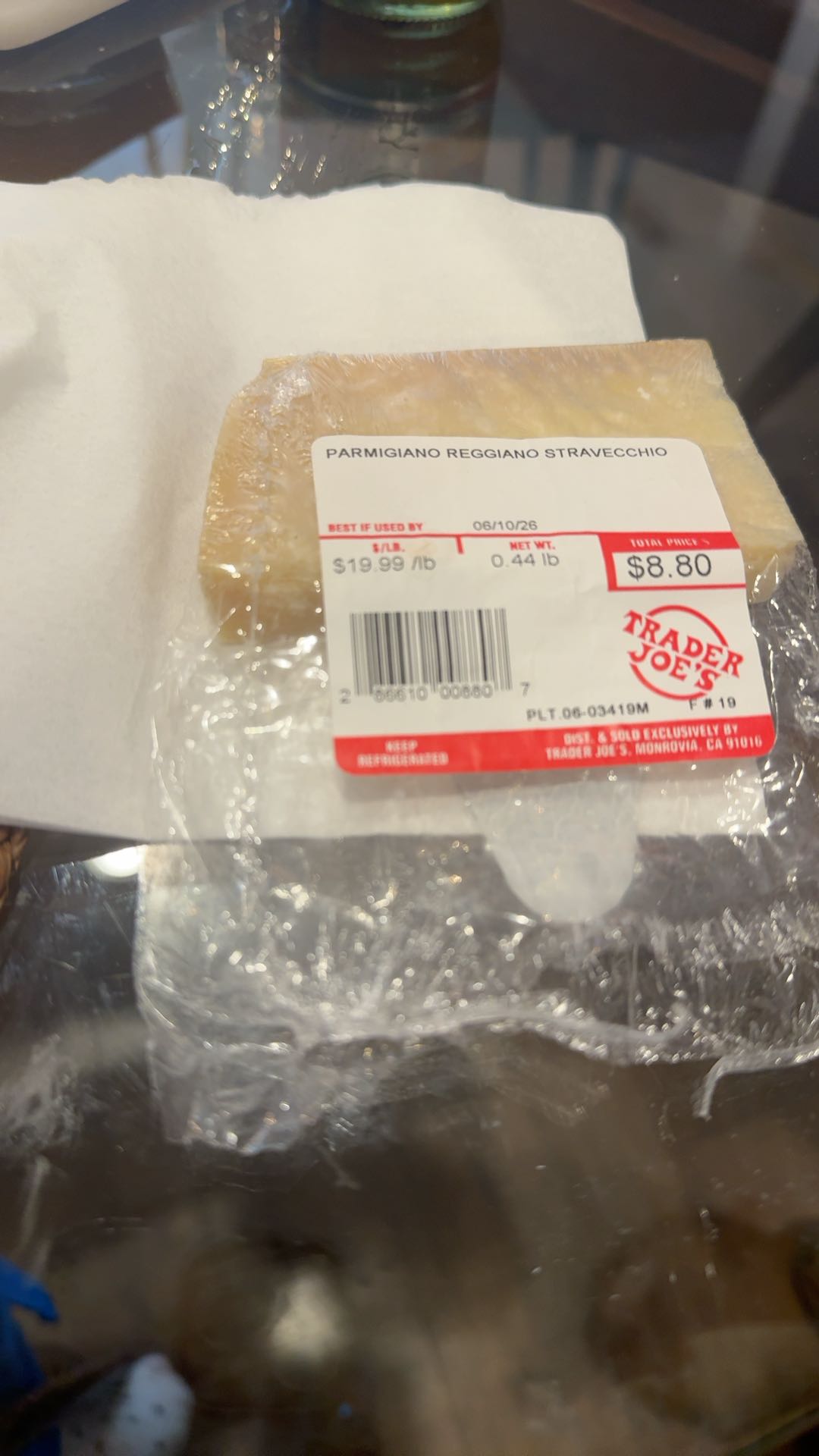
At a glance
Summary
This cheese tray contains cultured pasteurized milk, salt, microbial enzymes, and annatto for color, which are typical ingredients for cheese. However, it is classified as ultra-processed due to its processing level, which limits its score despite having a relatively clean ingredient list. The presence of annatto, a natural colorant, is generally safe but contributes to the product's processing level.
Key ingredients 5
Cultured pasteurized milkNeutral
Cultured pasteurized milk is a standard ingredient in cheese production, providing the base for fermentation. Pasteurization ensures safety by eliminating harmful bacteria, but it may reduce some beneficial bacteria. It is a common component in cheese, offering a neutral impact on health.
Benefits
Provides essential nutrients such as calcium and protein, which are beneficial for bone health and muscle maintenance.
SaltNeutral
Salt is used in cheese for flavor and as a preservative. It is a necessary component in cheese making, but excessive consumption can lead to health issues. In this context, it serves a functional role without significant health benefits.
Risks
Excessive salt intake can contribute to high blood pressure and cardiovascular issues.
Microbial enzymesNeutral
Microbial enzymes are used in cheese production to aid in coagulation. They are a vegetarian alternative to animal rennet and are widely accepted in cheese making. These enzymes are neutral in terms of health impact.
Benefits
Allows for the production of cheese suitable for vegetarians, expanding dietary options.
AnnattoNeutral
Annatto is a natural colorant derived from the seeds of the achiote tree, used to impart a yellow or orange hue to cheese. It is minimally processed and generally considered safe. Its use is primarily aesthetic, with no significant health impact.
Risks
In rare cases, annatto may cause allergic reactions in sensitive individuals.
Benefits
Provides a natural alternative to synthetic colorants, enhancing the visual appeal of food products.
En:e160bBad
En:e160b refers to annatto extract, a natural colorant used in food products. While generally safe, it can cause allergic reactions in some individuals. Its use in ultra-processed foods may contribute to unnecessary additive consumption.
Risks
Potential allergen for sensitive individuals and may contribute to additive load in processed foods.
Processing
Ultra-Processed Foods
Get the full breakdown in the Scout appTake Scout shopping
Scan any product to see lab results, healthy alternatives, and your personalized analysis.
Download on theApp Store GET IT ONGoogle Play