
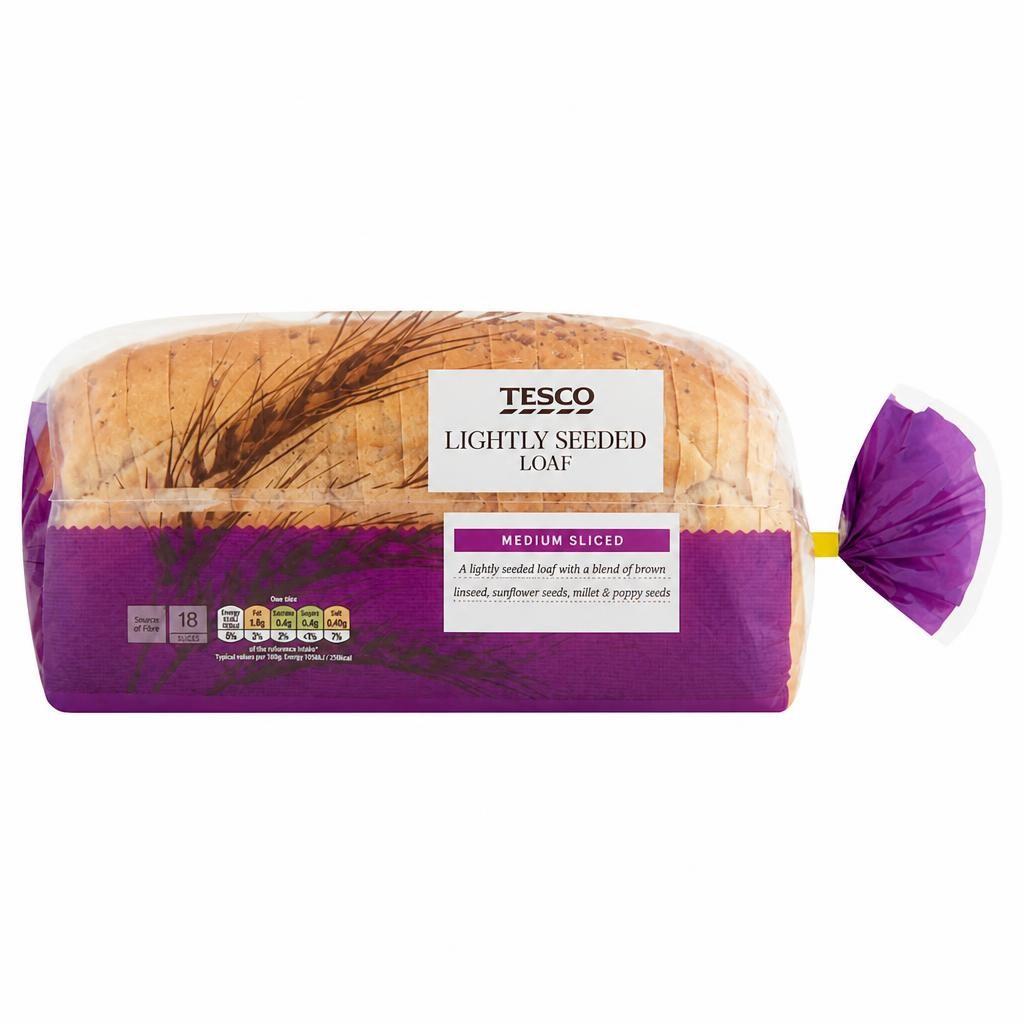


At a glance
Summary
This bread contains beneficial ingredients such as mixed seeds, sunflower seeds, and linseeds, which provide healthy fats and fiber. However, it is a processed product with a mandatory score cap due to its processing level. The absence of harmful additives and the inclusion of fortified nutrients like iron and vitamins contribute positively to its nutritional profile.
Key ingredients 10
IronGood
Iron is an essential mineral that supports oxygen transport in the blood. It is often added to foods to prevent iron deficiency anemia. Fortified iron in foods can help meet daily nutritional requirements.
Risks
Excessive iron intake can lead to toxicity, especially in individuals with hemochromatosis.
Benefits
Essential for oxygen transport and energy production, preventing anemia.
NiacinGood
Niacin, or vitamin B3, is important for energy metabolism and maintaining healthy skin and nerves. It is often added to foods to prevent deficiencies. Niacin fortification helps ensure adequate intake in the diet.
Risks
High doses can cause flushing and liver damage, but typical dietary amounts are safe.
Benefits
Supports energy metabolism and overall cellular health.
ThiaminGood
Thiamin, or vitamin B1, is crucial for carbohydrate metabolism and nerve function. It is commonly added to foods to prevent deficiencies. Fortification ensures adequate intake, supporting energy production and neurological health.
Benefits
Essential for energy metabolism and nerve function.
Mixed SeedsGood
Mixed seeds provide a variety of nutrients, including healthy fats, fiber, and protein. They contribute to the nutritional profile of the product by adding essential fatty acids and micronutrients. Seeds are a wholesome addition to baked goods, enhancing texture and flavor.
Risks
Potential allergen for individuals with seed allergies.
Benefits
Rich in healthy fats, fiber, and protein, supporting heart health and digestion.
Sunflower SeedsGood
Sunflower seeds are a good source of healthy fats, protein, and vitamin E. They contribute to heart health and provide antioxidant benefits. Including sunflower seeds in the diet can enhance nutrient intake and support cardiovascular health.
Risks
Potential allergen for individuals with seed allergies.
Benefits
Rich in vitamin E and healthy fats, supporting heart health and providing antioxidant protection.
Brown LinseedsGood
Brown linseeds, also known as flaxseeds, are high in omega-3 fatty acids and fiber. They support heart health and digestive function. Linseeds are a nutritious addition to foods, enhancing their health benefits.
Risks
Potential allergen for individuals with seed allergies.
Benefits
High in omega-3 fatty acids and fiber, promoting heart health and digestion.
Golden LinseedsGood
Golden linseeds are similar to brown linseeds, offering omega-3 fatty acids and dietary fiber. They support cardiovascular health and provide anti-inflammatory benefits. Including golden linseeds in the diet can enhance nutritional intake.
Risks
Potential allergen for individuals with seed allergies.
Benefits
Rich in omega-3 fatty acids and fiber, supporting heart health and reducing inflammation.
Calcium CarbonateNeutral
Calcium carbonate is used as a dietary supplement to provide calcium, which is essential for bone health. It is a common fortification in processed foods to enhance nutritional value. Overconsumption can lead to digestive issues or kidney stones.
Risks
Excessive intake may cause digestive discomfort or contribute to kidney stones.
Benefits
Provides a source of calcium, supporting bone health and metabolic functions.
WaterNeutral
Water is a fundamental ingredient in baking, providing moisture and aiding in the mixing process. It is a neutral ingredient with no direct nutritional value. Its primary role is functional in the baking process.
See more about Water →Wheat FlourBad
Refined grain flour stripped of bran and germ.
Risks
Refined wheat flour can contribute to blood sugar spikes and lacks the fiber found in whole grains.
Benefits
Provides essential carbohydrates for energy, though whole grain options are more nutritious.
Processing
Processed Foods
Get the full breakdown in the Scout appTake Scout shopping
Scan any product to see lab results, healthy alternatives, and your personalized analysis.
Download on theApp Store GET IT ONGoogle Play