


At a glance
Summary
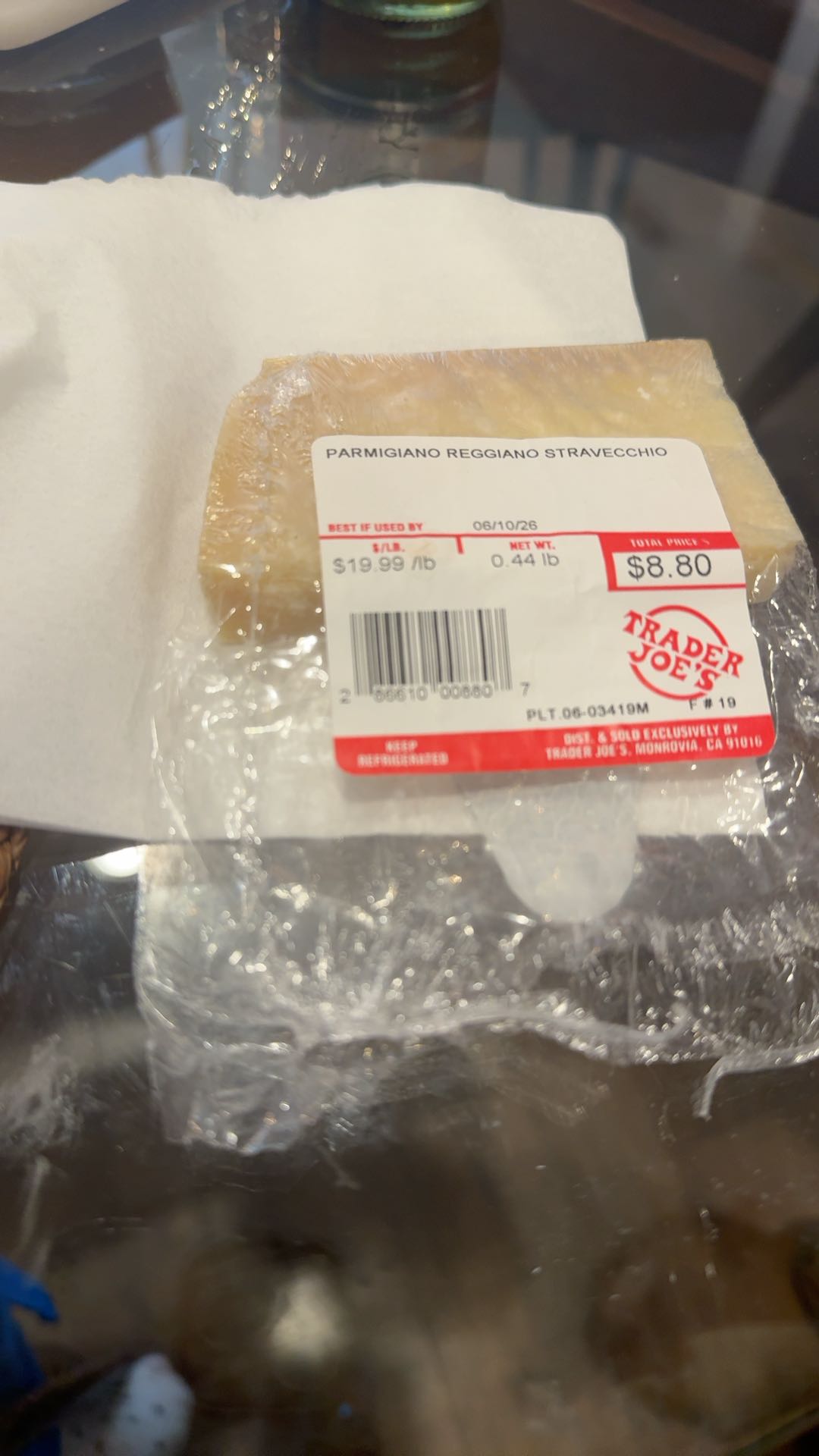
This cheese is made from raw milk, which is a minimally processed ingredient that retains natural enzymes and beneficial bacteria, enhancing both flavor and nutritional profile. The use of cultures contributes positively to the fermentation process, improving the cheese's texture and probiotic content. Despite being processed, the product maintains a clean ingredient list with no harmful additives, allowing it to score well within its category.
Key ingredients 4
Raw milkGood
Raw milk is a minimally processed ingredient that retains natural enzymes and beneficial bacteria. It is sourced from controlled organic farming, ensuring high quality and nutrient density. The use of raw milk can enhance the flavor and nutritional profile of cheese.
Risks
Potential risks include the presence of harmful bacteria if not properly handled or pasteurized.
Benefits
Rich in natural enzymes and beneficial bacteria that can aid digestion and improve gut health. Provides essential nutrients such as calcium and vitamin D.
CulturesGood
Cultures are essential for the fermentation process in cheese making, contributing to flavor and texture development. They are derived from controlled sources, ensuring consistency and quality. The use of cultures can enhance the probiotic content of the cheese.
Benefits
Contributes to the development of beneficial probiotics that support gut health and digestion.
SaltNeutral
Salt is used as a preservative and flavor enhancer in cheese production. It is a common ingredient in cheese, providing necessary sodium content. The salt used here is not specified as unrefined, so it lacks additional trace minerals.
Risks
Excessive consumption of salt can lead to high blood pressure and cardiovascular issues.
Microbial rennetNeutral
Microbial rennet is a vegetarian alternative to traditional animal rennet used in cheese making. It is produced through controlled fermentation processes, ensuring consistency and quality. While it serves a functional role in cheese production, it does not contribute additional nutritional benefits.
See more about Microbial rennet →Processing
Processed Foods
Get the full breakdown in the Scout appTake Scout shopping
Scan any product to see lab results, healthy alternatives, and your personalized analysis.
Download on theApp Store GET IT ONGoogle Play