


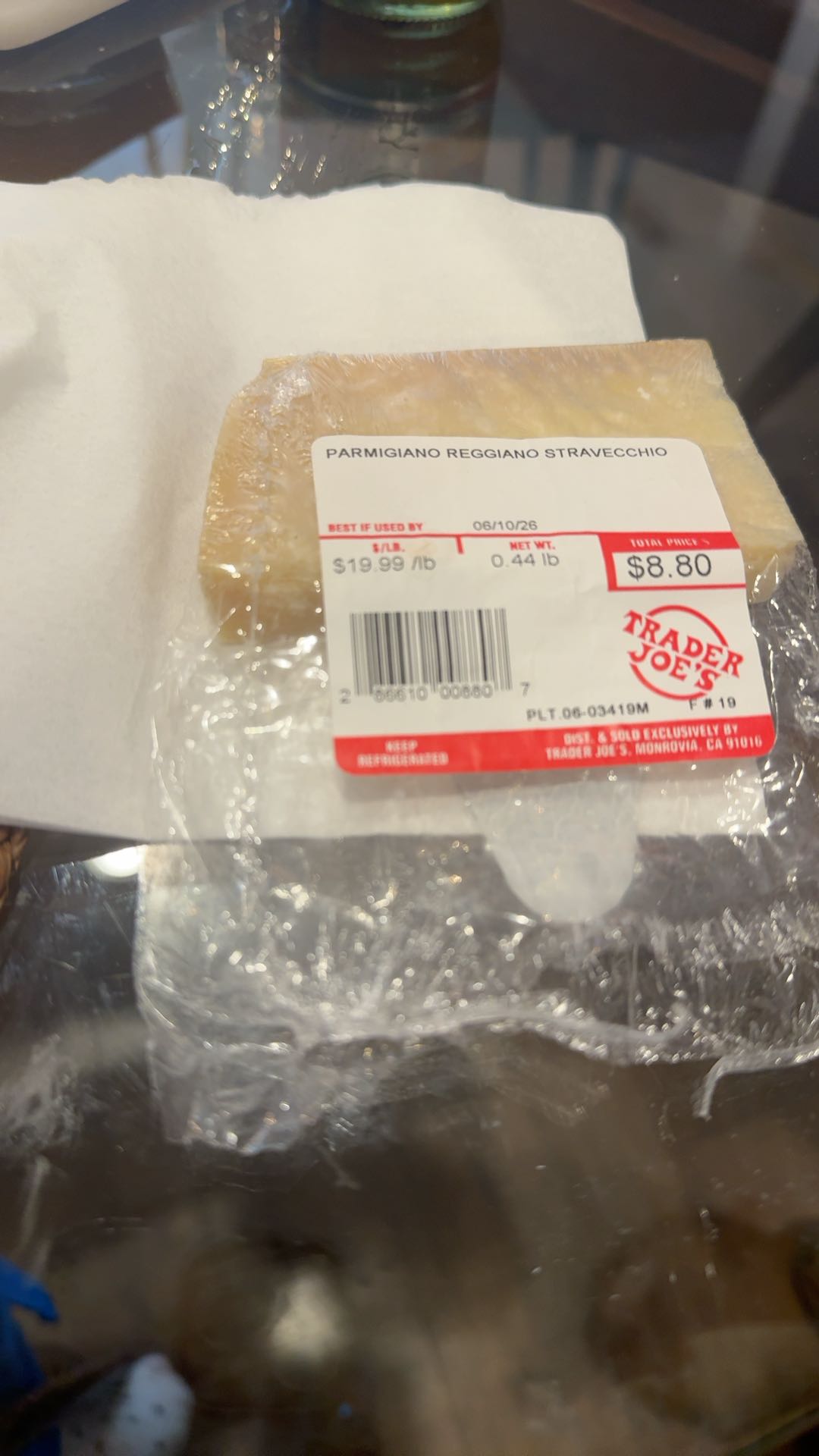
At a glance
Summary
This cheese product is made from organic whole milk, rennet, sea salt, and calcium chloride, which are all high-quality ingredients with minimal processing. The use of organic milk and natural rennet contributes positively to its nutritional profile, providing essential nutrients like calcium and protein. Despite being processed, the clean ingredient list without harmful additives allows it to score well within its category.
Key ingredients 4
Whole milkGood
Whole milk is a rich source of essential nutrients like calcium, protein, and vitamins. The organic certification indicates higher quality and fewer contaminants. It provides a complete amino acid profile beneficial for muscle maintenance.
Risks
Some individuals may be lactose intolerant or allergic to milk proteins.
Benefits
Provides essential nutrients such as calcium and vitamin D, supporting bone health and overall nutrition.
RennetGood
Rennet is used in cheese-making to coagulate milk, forming curds. It is a natural enzyme that aids in the digestion of milk proteins. Traditional use in cheese production supports its safety and effectiveness.
Benefits
Facilitates the cheese-making process and enhances the digestibility of milk proteins.
Sea saltGood
Sea salt is a natural source of sodium and trace minerals, used to enhance flavor and preserve cheese. It is less processed than table salt, retaining beneficial minerals. Its use in moderation can contribute to a balanced diet.
Risks
Excessive sodium intake can lead to health issues such as hypertension.
Benefits
Provides essential minerals and enhances the flavor profile of the cheese.
Calcium chlorideNeutral
Calcium chloride is used in cheese-making to improve curd formation and firmness. It is a common additive in cheese production with no significant health concerns. Its role is primarily functional, with minimal impact on nutritional value.
Benefits
Improves the texture and quality of cheese by aiding in curd formation.
Processing
Processed Foods
Get the full breakdown in the Scout appTake Scout shopping
Scan any product to see lab results, healthy alternatives, and your personalized analysis.
Download on theApp Store GET IT ONGoogle Play