
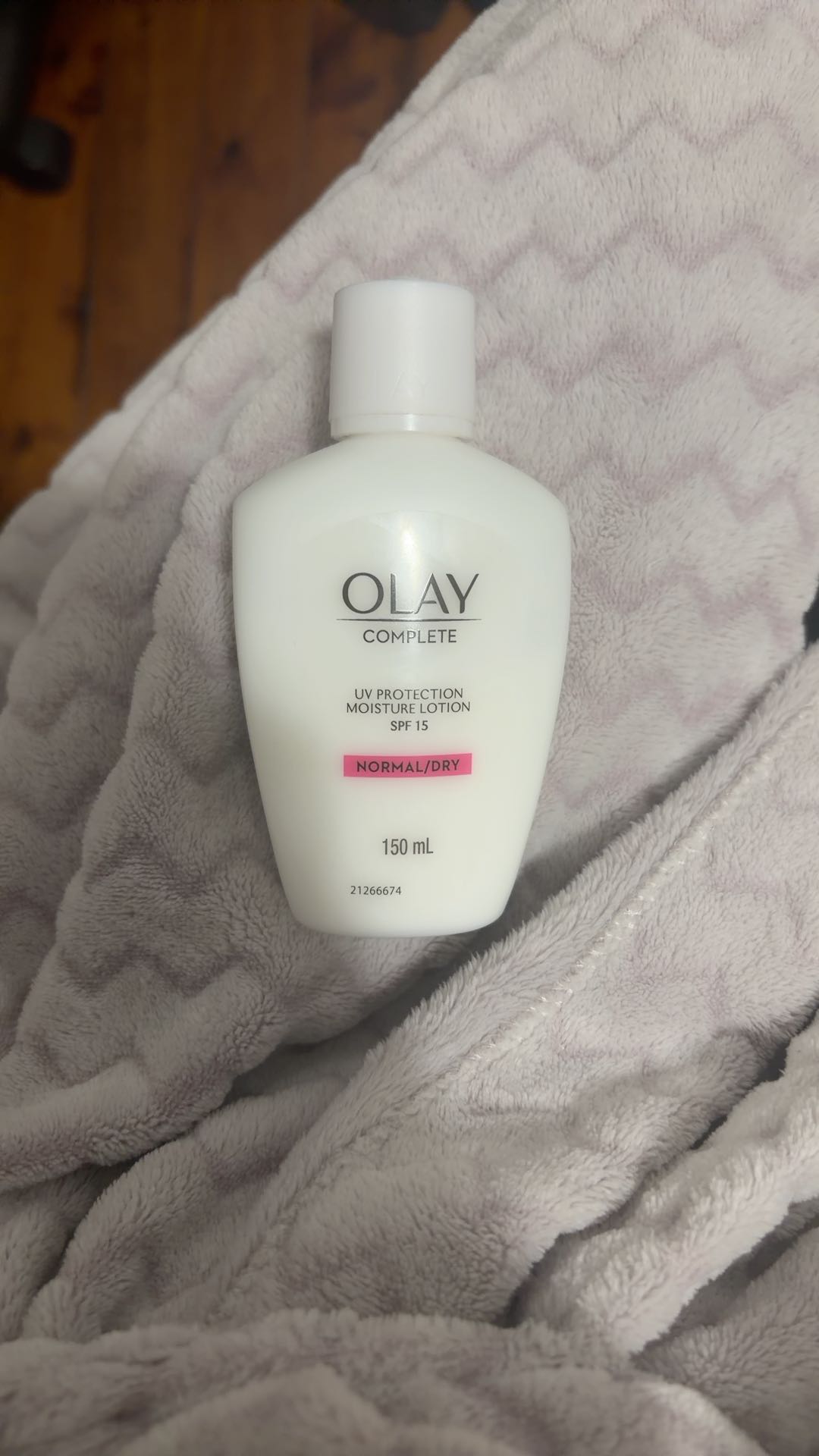
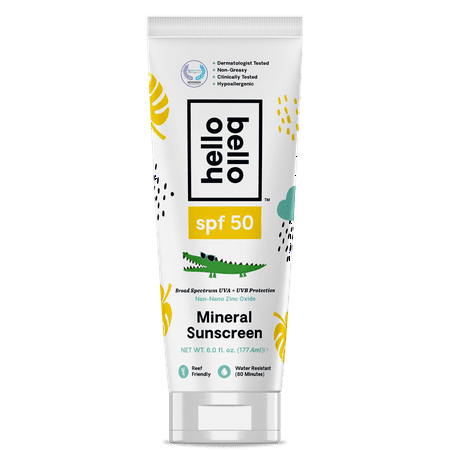

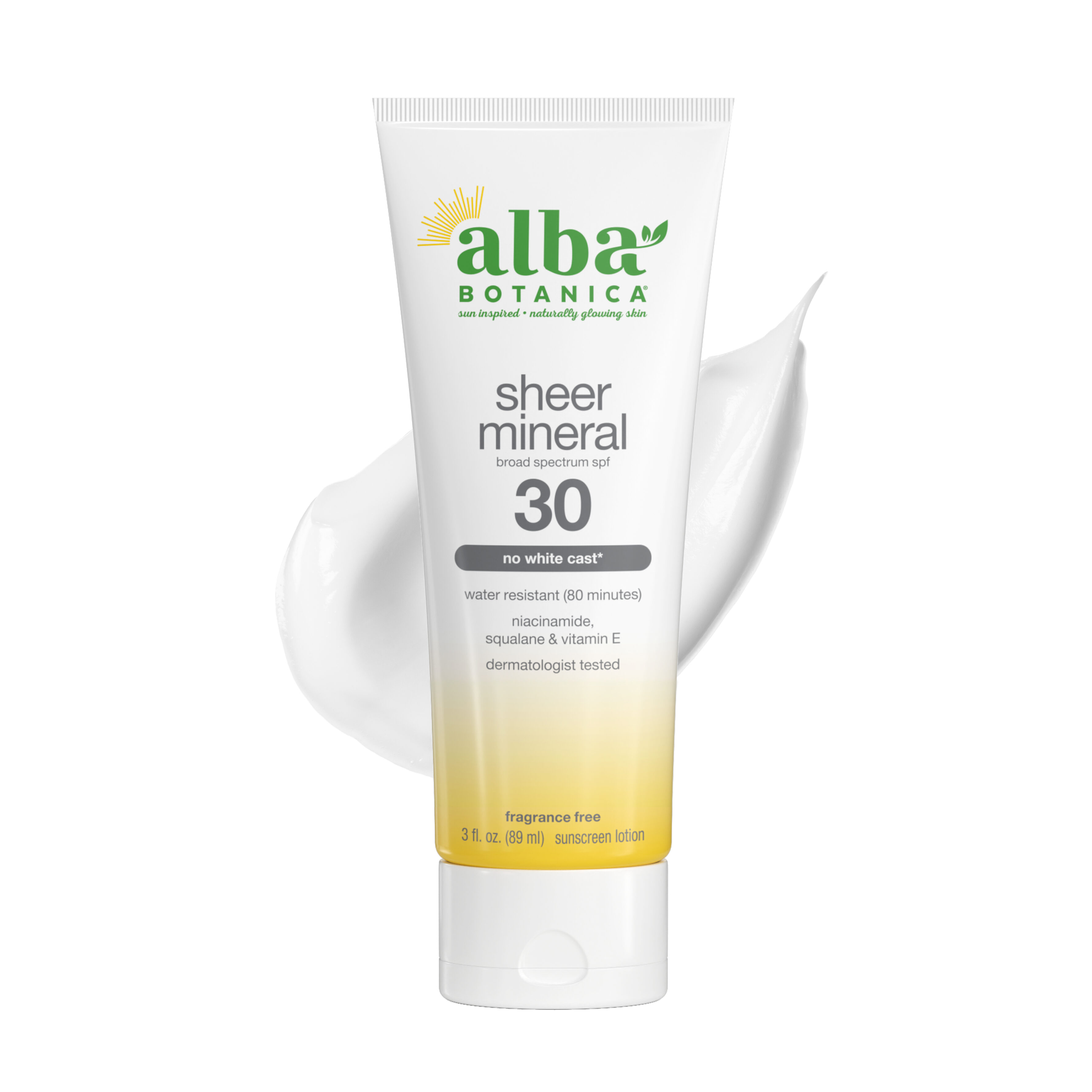
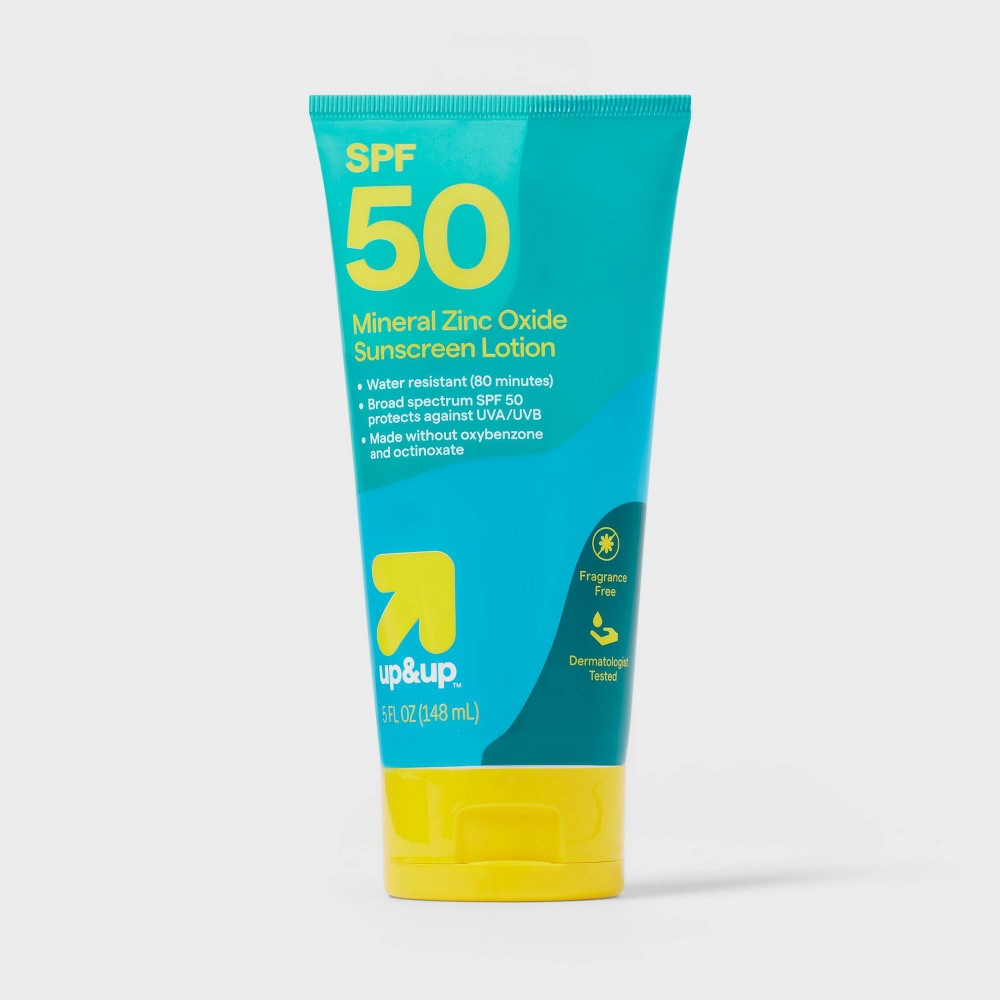
Olay Complete Uv Lotion Normal/dry 150ml. Best Price
Analysis updated July 2026 · How Scout scores
At a glance
Summary
This sunscreen contains beneficial ingredients like niacinamide, panthenol, and aloe vera, which provide moisturizing and soothing benefits. However, it also includes chemical UV filters such as avobenzone and octocrylene, which can cause skin irritation and have environmental concerns. The presence of these chemical filters and the processed nature of the product limit its overall score.
Key ingredients 13
PanthenolVery Good
Panthenol, also known as provitamin B5, is a moisturizing agent that helps improve skin hydration and elasticity. It has soothing properties and can aid in skin repair. It is well-tolerated and beneficial for most skin types.
Risks
There are minimal risks, though it may cause mild irritation in very sensitive skin.
Benefits
Panthenol enhances skin hydration, reduces inflammation, and supports skin healing.
Aloe Barbadensis Leaf Juice PowderVery Good
Aloe barbadensis leaf juice powder is derived from aloe vera and is known for its soothing and hydrating properties. It helps calm irritated skin and provides moisture. It is a popular ingredient in skincare for its natural benefits.
Risks
There are minimal risks, though some individuals may experience allergic reactions.
Benefits
Aloe vera helps soothe and hydrate the skin, reducing redness and irritation.
GlycerinGood
Glycerin is a humectant that attracts moisture to the skin, helping to keep it hydrated. It is widely used in skincare for its moisturizing properties. It is considered safe and beneficial for most skin types.
Risks
There are minimal risks, though excessive use may lead to a sticky feeling.
Benefits
Glycerin helps maintain skin hydration and improves skin barrier function.
NiacinamideGood
Niacinamide is a form of Vitamin B3 that offers multiple skin benefits, including improving skin tone and texture. It is known for its anti-inflammatory properties and ability to reduce redness and blotchiness. It is highly regarded in skincare for its versatility and effectiveness.
Risks
There are minimal risks, though some individuals may experience mild irritation.
Benefits
Niacinamide helps improve skin elasticity, enhances barrier function, and reduces signs of aging.
Tocopheryl AcetateGood
Tocopheryl acetate is a form of Vitamin E that acts as an antioxidant, protecting the skin from free radical damage. It also has moisturizing properties and helps improve skin texture. It is widely used in skincare for its protective benefits.
Risks
There are minimal risks, though it may cause mild irritation in sensitive individuals.
Benefits
Tocopheryl acetate helps protect the skin from environmental damage and supports skin health.
WaterNeutral
Water is a common solvent used in cosmetic formulations. It helps dissolve other ingredients and provides a base for the product. It does not have any active benefits or risks.
Risks
There are no significant risks associated with water in cosmetics.
Benefits
Water helps in the application and absorption of the product.
IsohexadecaneNeutral
Isohexadecane is used as an emollient and texture enhancer in cosmetics. It provides a silky feel and helps in the even application of the product. It is generally considered safe for use in cosmetics.
Risks
There are minimal risks associated with isohexadecane, though it may cause mild irritation in sensitive individuals.
Benefits
It enhances the texture and spreadability of the product.
C13-14 IsoalkaneNeutral
C13-14 isoalkane is used as an emollient and thickening agent in cosmetics. It helps improve the texture and spreadability of the product. It is generally considered safe for use in cosmetics.
Risks
There are minimal risks, though it may cause mild irritation in sensitive individuals.
Benefits
It enhances the texture and application of the product.
Caprylyl GlycolNeutral
Caprylyl glycol is used as a skin conditioning agent and preservative booster. It helps improve the moisture content of the skin and enhances the efficacy of preservatives. It is generally considered safe for use in cosmetics.
Risks
There are minimal risks, though it may cause mild irritation in sensitive individuals.
Benefits
Caprylyl glycol helps maintain skin hydration and supports product preservation.
Steareth-21Neutral
Steareth-21 is an emulsifier used to stabilize and thicken cosmetic formulations. It helps blend oil and water-based ingredients for a smooth texture. It is generally considered safe for use in cosmetics.
Risks
There are minimal risks, though it may cause mild irritation in sensitive individuals.
Benefits
It improves the stability and texture of the product.
Octyl SalicylateNeutral
Octyl salicylate is a chemical sunscreen agent that absorbs UVB rays, protecting the skin from sunburn. It is commonly used in sunscreen formulations for its UV protective properties. It is generally considered safe for use in cosmetics.
Risks
There are minimal risks, though it may cause irritation in sensitive skin.
Benefits
Octyl salicylate helps protect the skin from UVB radiation and sunburn.
Butyl MethoxydibenzoylmethaneBad
Butyl methoxydibenzoylmethane, also known as avobenzone, is a chemical sunscreen agent that absorbs UVA rays. It is effective in providing broad-spectrum sun protection. However, it can degrade in sunlight, reducing its effectiveness.
Risks
It may cause skin irritation and can degrade in sunlight, reducing its efficacy.
Benefits
Avobenzone provides broad-spectrum UVA protection, helping prevent skin aging and damage.
OctocryleneBad
Octocrylene is a chemical sunscreen agent that absorbs UVB and short UVA rays. It is often used to stabilize other sunscreen ingredients. However, it can cause skin irritation and has been associated with environmental concerns.
Risks
It may cause skin irritation and has potential environmental impact.
Benefits
Octocrylene helps stabilize sunscreen formulations and provides UV protection.
Get the full breakdown in the Scout appTake Scout shopping
Scan any product to see lab results, healthy alternatives, and your personalized analysis.
Download on theApp Store GET IT ONGoogle Play