


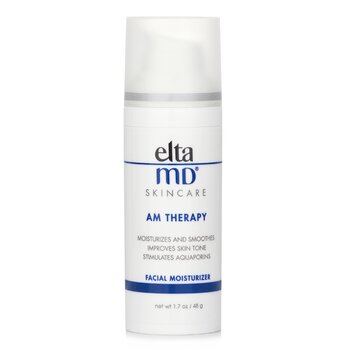
(Set of 2) Hada Labo Gokujun Premium Hyaluronic Acid 170ml (B08GXCXR4C)
Analysis updated July 2026 · How Scout scores
At a glance
Summary
This skincare product contains several beneficial forms of hyaluronic acid, which are known for their excellent hydrating properties. However, it includes Disodium EDTA, a synthetic ingredient with environmental concerns, and the product is moderately processed, which limits its score. The overall formulation is beneficial for skin hydration but not entirely free from synthetic additives.
Key ingredients 30
Sodium HyaluronateGood
Sodium Hyaluronate is a salt form of Hyaluronic Acid, known for its excellent moisture-retaining properties. It helps to hydrate and plump the skin, reducing the appearance of fine lines. It is a beneficial ingredient in skincare for its hydrating effects.
Benefits
Provides deep hydration and helps to maintain skin elasticity.
Hydrolyzed Hyaluronic AcidGood
Hydrolyzed Hyaluronic Acid is a smaller molecule form of Hyaluronic Acid, allowing for deeper skin penetration. It enhances skin hydration and elasticity. It is a beneficial ingredient for improving skin moisture levels.
Benefits
Enhances skin hydration and elasticity.
Hydroxypropyltrimonium HyaluronateGood
Hydroxypropyltrimonium Hyaluronate is a modified form of Hyaluronic Acid that provides long-lasting hydration. It helps to improve skin texture and moisture retention. It is beneficial for maintaining skin hydration.
Benefits
Provides long-lasting hydration and improves skin texture.
Sodium Hyaluronate CrosspolymerGood
Sodium Hyaluronate Crosspolymer is a cross-linked form of Hyaluronic Acid, offering sustained release of hydration. It enhances skin moisture and plumpness. It is beneficial for prolonged skin hydration.
Benefits
Offers sustained hydration and enhances skin plumpness.
Lactococcus/Hyaluronic Acid Ferment FiltrateGood
Lactococcus/Hyaluronic Acid Ferment Filtrate is a fermented ingredient that enhances skin hydration and barrier function. It provides probiotic benefits and improves skin health. It is beneficial for maintaining a healthy skin barrier.
Benefits
Enhances skin hydration and supports a healthy skin barrier.
C12-13 Alkyl Glyceryl Hydrolyzed HyaluronateGood
C12-13 Alkyl Glyceryl Hydrolyzed Hyaluronate is a derivative of Hyaluronic Acid that improves skin hydration and texture. It provides long-lasting moisture and enhances skin smoothness. It is beneficial for maintaining skin hydration.
Benefits
Improves skin hydration and texture.
WaterNeutral
Water is a neutral ingredient commonly used as a solvent in cosmetic formulations. It does not provide any direct nutritional benefits or risks. Its primary role is to dissolve other ingredients and facilitate their application.
See more about Water →Butylene GlycolNeutral
Butylene Glycol is a common solvent and humectant in skincare products. It helps to retain moisture and improve the texture of formulations. It is generally considered safe for topical use.
Benefits
Helps to retain moisture in the skin, improving hydration.
Pentylene GlycolNeutral
Pentylene Glycol is used as a humectant and preservative booster in cosmetics. It enhances the skin's moisture retention and stabilizes formulations. It is considered safe for use in cosmetics.
Benefits
Improves skin hydration and enhances the efficacy of preservatives.
PPG-10 Methyl Glucose EtherNeutral
PPG-10 Methyl Glucose Ether is an emollient and conditioning agent in skincare products. It helps to soften and smooth the skin. It is generally regarded as safe for use in cosmetics.
Benefits
Contributes to skin softness and smoothness.
Dipropylene GlycolNeutral
Dipropylene Glycol is a solvent and viscosity-decreasing agent in cosmetics. It helps to improve the texture and spreadability of products. It is considered safe for use in cosmetics.
Benefits
Enhances product texture and application.
DiglycerinNeutral
Diglycerin is a humectant that helps to retain moisture in the skin. It is used to improve the hydration and texture of cosmetic formulations. It is generally considered safe for use.
Benefits
Improves skin hydration and texture.
Suizendinori PolysaccharideNeutral
Suizendinori Polysaccharide is a polysaccharide derived from algae, used for its moisturizing properties. It helps to retain moisture in the skin. It is generally considered safe for use in cosmetics.
Benefits
Helps to retain moisture in the skin.
Hydroxyethyl UreaNeutral
Hydroxyethyl Urea is a humectant that helps to improve skin hydration. It is used to enhance the moisture content of cosmetic formulations. It is considered safe for use in cosmetics.
Benefits
Improves skin hydration.
Polyquaternium-51Neutral
Polyquaternium-51 is a film-forming agent that helps to retain moisture on the skin's surface. It enhances skin hydration and smoothness. It is generally regarded as safe for use in cosmetics.
Benefits
Enhances skin hydration and smoothness.
Hydrolyzed StarchNeutral
Hydrolyzed Starch is used as a thickening agent in cosmetics. It helps to improve the texture and stability of formulations. It is considered safe for use in cosmetics.
Benefits
Improves texture and stability of formulations.
Glycosyl TrehaloseNeutral
Glycosyl Trehalose is a sugar derivative used for its moisturizing properties. It helps to retain moisture in the skin and improve texture. It is generally considered safe for use in cosmetics.
Benefits
Helps to retain moisture and improve skin texture.
SorbitolNeutral
Sorbitol is a sugar alcohol used as a humectant in cosmetics. It helps to retain moisture in the skin and improve texture. It is generally considered safe for use in cosmetics.
Benefits
Helps to retain moisture and improve skin texture.
XylitylglucosideNeutral
Xylitylglucoside is a sugar derivative used for its moisturizing properties. It helps to retain moisture in the skin and improve texture. It is generally considered safe for use in cosmetics.
Benefits
Helps to retain moisture and improve skin texture.
XylitolNeutral
Xylitol is a sugar alcohol used as a humectant in cosmetics. It helps to retain moisture in the skin and improve texture. It is generally considered safe for use in cosmetics.
Benefits
Helps to retain moisture and improve skin texture.
IsopentyldiolNeutral
Isopentyldiol is a solvent and humectant used in cosmetics. It helps to improve the texture and moisture retention of formulations. It is considered safe for use in cosmetics.
Benefits
Improves texture and moisture retention.
CarbomerNeutral
Carbomer is a thickening agent used to stabilize and improve the texture of cosmetic formulations. It helps to create a smooth and consistent product. It is generally considered safe for use in cosmetics.
Benefits
Improves texture and stability of formulations.
Xanthan GumNeutral
Xanthan Gum is a natural thickening agent used to improve the texture and stability of cosmetic formulations. It helps to create a smooth and consistent product. It is generally considered safe for use in cosmetics.
Benefits
Improves texture and stability of formulations.
Disodium SuccinateNeutral
Disodium Succinate is used as a flavor enhancer and buffering agent in cosmetics. It helps to stabilize formulations and improve product performance. It is considered safe for use in cosmetics.
Benefits
Stabilizes formulations and improves product performance.
PropanediolNeutral
Propanediol is a solvent and humectant used in cosmetics. It helps to improve the texture and moisture retention of formulations. It is considered safe for use in cosmetics.
Benefits
Improves texture and moisture retention.
Potassium OxideNeutral
Potassium Oxide is used as a pH adjuster in cosmetics. It helps to maintain the stability and efficacy of formulations. It is generally considered safe for use in cosmetics.
Benefits
Maintains stability and efficacy of formulations.
Succinic AcidNeutral
Succinic Acid is used as a pH adjuster and buffering agent in cosmetics. It helps to stabilize formulations and improve product performance. It is considered safe for use in cosmetics.
Benefits
Stabilizes formulations and improves product performance.
Caprylhydroxamic AcidNeutral
Caprylhydroxamic Acid is a preservative used to enhance the shelf life of cosmetic products. It is effective against a broad spectrum of microorganisms. It is generally considered safe for use in cosmetics.
Benefits
Enhances shelf life by preventing microbial growth.
Disodium EDTABad
Disodium EDTA is a chelating agent used to improve the stability and shelf life of cosmetic products. It can bind to metal ions, preventing them from affecting product stability. However, it is a synthetic ingredient and may cause environmental concerns due to its persistence.
Risks
May cause environmental concerns due to its persistence and potential to bioaccumulate.
Benefits
Improves product stability and shelf life.
PhenoxyethanolBad
Processed additive flagged under Scout's ingredient doctrine.
Benefits
Prevents microbial growth, enhancing product safety.
Processing
Processed Foods
Get the full breakdown in the Scout appTake Scout shopping
Scan any product to see lab results, healthy alternatives, and your personalized analysis.
Download on theApp Store GET IT ONGoogle Play