
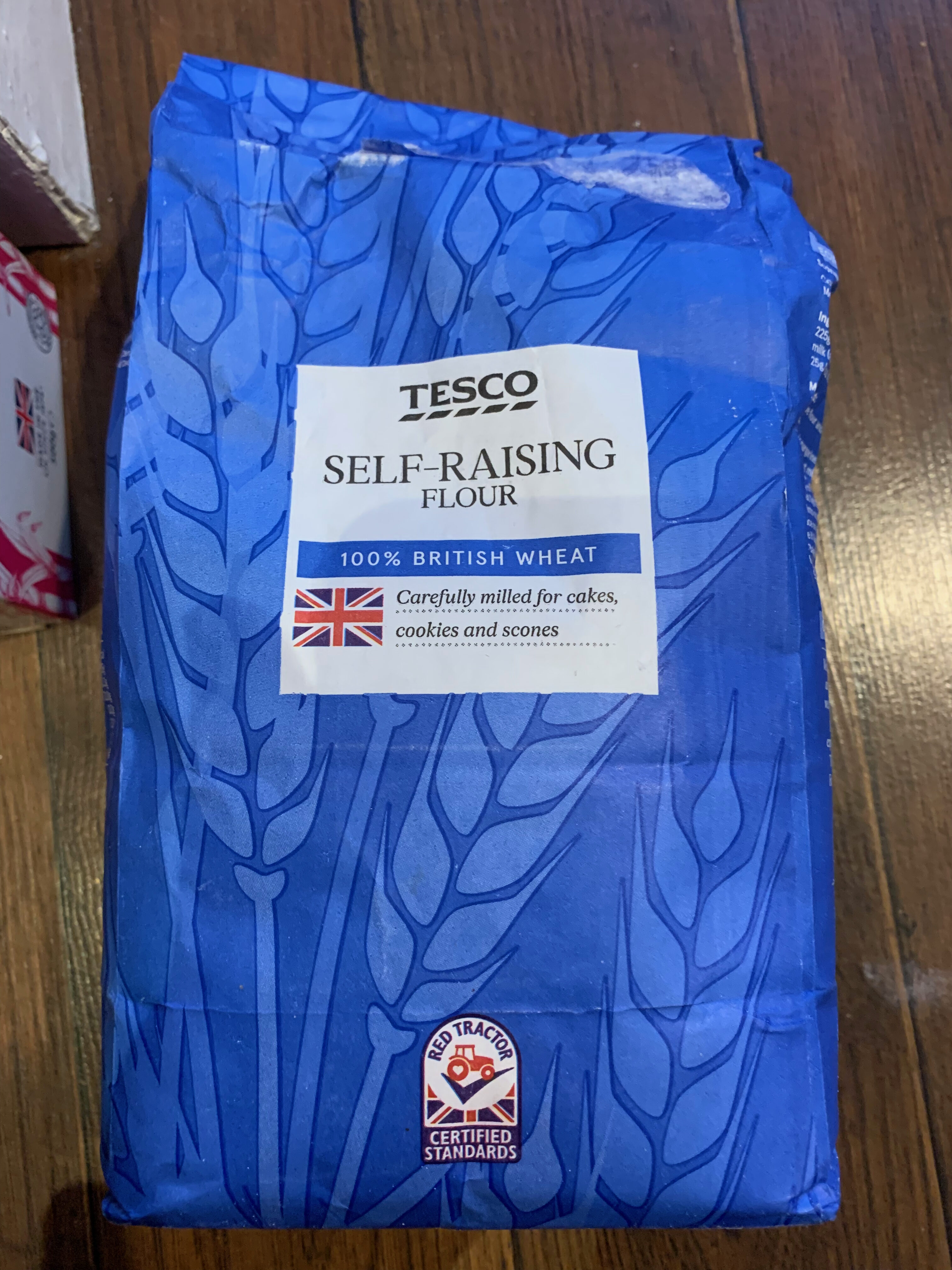




At a glance
Summary
Self-raising flour is a processed culinary ingredient that includes wheat flour and added rising agents. While it is not heavily processed, the inclusion of additives like calcium phosphate and sodium bicarbonate slightly reduces its score. The product is primarily composed of refined wheat flour, which lacks the nutritional benefits of whole grains.
Key ingredients 7
NiacinGood
Beneficial ingredient — whole-food or functional value in this product class.
Risks
High doses of niacin can cause flushing and liver damage, but such levels are not typically reached through fortified foods.
Benefits
Supports energy metabolism and is essential for maintaining healthy skin and nerve function.
Calcium CarbonateNeutral
Calcium carbonate is used to fortify foods with calcium, an essential mineral for bone health. It is a common food additive and is generally recognized as safe. It does not significantly alter the taste or texture of the product.
Risks
Excessive intake of calcium carbonate can lead to hypercalcemia, but this is unlikely from food sources alone.
Benefits
Provides a source of calcium, which is crucial for maintaining strong bones and teeth.
IronNeutral
Iron is an essential mineral added to enriched flour to prevent deficiencies. It plays a critical role in oxygen transport and energy production. The form of iron used in fortification is typically well-absorbed.
Risks
Excessive iron intake can lead to toxicity, but this is rare from dietary sources alone.
Benefits
Helps prevent iron-deficiency anemia and supports overall energy levels and immune function.
ThiaminNeutral
Thiamin, or vitamin B1, is added to enriched flour to prevent deficiencies. It is crucial for energy metabolism and nerve function. Fortification helps maintain adequate levels in the diet.
Benefits
Essential for energy production and proper nerve function, helping to prevent deficiency-related conditions.
Calcium PhosphateNeutral
Calcium phosphate is used as a leavening agent in self-raising flour. It helps dough rise by releasing carbon dioxide when heated. It also contributes a small amount of calcium to the diet.
Benefits
Acts as a leavening agent and provides a minor source of calcium.
Sodium BicarbonateNeutral
Sodium bicarbonate, or baking soda, is a common leavening agent that helps dough rise. It reacts with acidic components to release carbon dioxide, creating a light texture. It is widely used in baking and is considered safe.
Risks
Excessive consumption can lead to alkalosis, but this is unlikely from typical food use.
Benefits
Effective leavening agent that contributes to the texture and rise of baked goods.
Wheat FlourBad
Refined grain flour stripped of bran and germ.
Risks
Refined wheat flour can contribute to blood sugar spikes and lacks the fiber of whole grains.
Benefits
Enriched wheat flour provides essential nutrients such as iron and B vitamins, which are important for energy metabolism and red blood cell production.
Processing
Unprocessed or Minimally Processed Foods
Get the full breakdown in the Scout appTake Scout shopping
Scan any product to see lab results, healthy alternatives, and your personalized analysis.
Download on theApp Store GET IT ONGoogle Play