
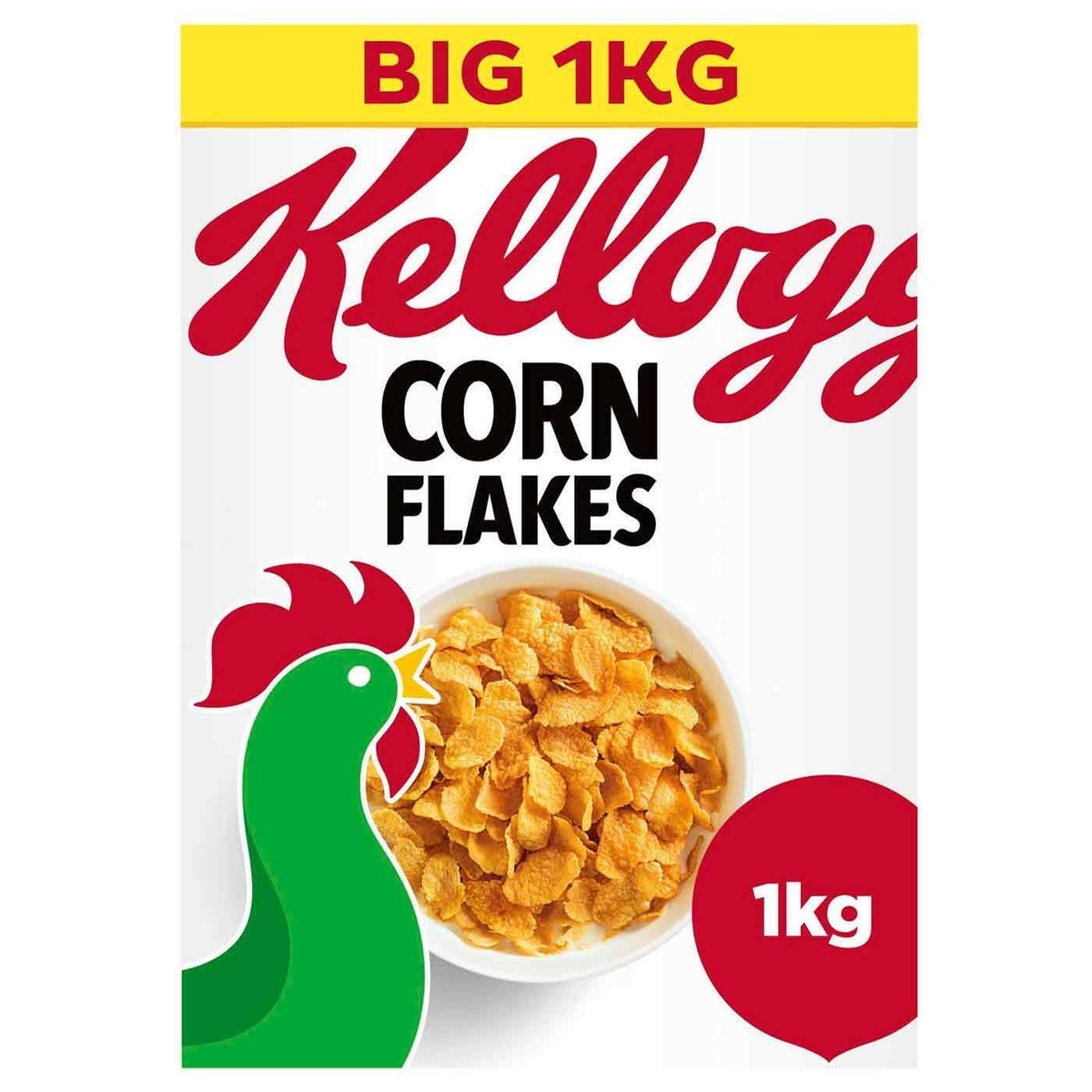

Kellogg's Cornflakes Breakfast Cereal Crunchy Golden Corn Flakes Pack Of 2 X 1kg
Summary
This cereal is primarily made from maize, a whole grain, and is fortified with essential vitamins and minerals like niacin, iron, and vitamin D, which are beneficial for health. However, it contains added sugar, which is a refined ingredient that offers no nutritional benefits and can contribute to health issues if consumed in excess. The product is moderately processed, which limits its score despite the presence of beneficial nutrients.
At a glance
Key ingredients 12
MaizeGood
Maize is a whole grain that provides essential nutrients and dietary fiber. It is minimally processed in this context, retaining most of its natural nutritional profile. As a staple ingredient, it offers a gluten-free carbohydrate source.
Benefits
Provides dietary fiber and essential nutrients like B vitamins and magnesium. It is a gluten-free grain, suitable for those with gluten sensitivities.
Barley Malt ExtractNeutral
Barley malt extract is used as a natural sweetener and flavor enhancer. It is derived from barley grains through a malting process that involves soaking, germinating, and drying. While it adds flavor, it contributes additional sugars to the product.
Risks
Contains gluten, which may be a concern for individuals with celiac disease or gluten sensitivity.
Benefits
Provides a natural source of sweetness and flavor without artificial additives. Contains trace amounts of vitamins and minerals from barley.
SugarBad
Refined sugar is added to enhance sweetness but offers no nutritional benefits. It is highly processed and can contribute to increased calorie intake without essential nutrients. Excessive consumption is linked to various health issues.
Risks
High intake of refined sugar can lead to obesity, type 2 diabetes, and dental problems.
SaltNeutral
Salt is used to enhance flavor and preserve the product. It is a common additive in processed foods, providing essential sodium for bodily functions. However, excessive intake can lead to health issues.
Risks
High sodium intake is associated with increased blood pressure and cardiovascular disease risk.
Benefits
Provides essential sodium necessary for nerve and muscle function.
NiacinGood
Niacin, or vitamin B3, is added to fortify the cereal and support metabolic health. It is essential for converting food into energy and maintaining healthy skin and nerves. Fortification helps prevent deficiencies in populations with limited dietary variety.
Benefits
Supports energy metabolism and helps maintain healthy skin and nerves. Fortification helps prevent niacin deficiency.
IronGood
Iron is an essential mineral added to prevent anemia and support oxygen transport in the blood. Fortification is crucial in cereals to address common dietary deficiencies. It is particularly important for individuals with increased iron needs.
Risks
Excessive iron intake can lead to toxicity, especially in individuals with hemochromatosis.
Benefits
Essential for oxygen transport and energy production. Fortification helps prevent iron deficiency anemia.
Vitamin B6Good
Vitamin B6 is added to support brain health and energy metabolism. It plays a crucial role in neurotransmitter synthesis and immune function. Fortification ensures adequate intake in populations with limited dietary sources.
Benefits
Supports brain health, energy metabolism, and immune function. Fortification helps prevent vitamin B6 deficiency.
RiboflavinGood
Riboflavin, or vitamin B2, is added to support energy production and antioxidant protection. It is essential for converting carbohydrates into energy and maintaining healthy skin and eyes. Fortification helps prevent deficiencies in populations with limited dietary variety.
Benefits
Supports energy production and antioxidant protection. Fortification helps prevent riboflavin deficiency.
ThiaminGood
Thiamin, or vitamin B1, is added to support energy metabolism and nerve function. It is crucial for converting carbohydrates into energy and maintaining healthy nerve function. Fortification helps prevent deficiencies in populations with limited dietary sources.
Benefits
Supports energy metabolism and nerve function. Fortification helps prevent thiamin deficiency.
Folic AcidGood
Folic acid is added to support DNA synthesis and cell division. It is crucial for preventing neural tube defects during pregnancy and supporting overall health. Fortification helps prevent deficiencies in populations with limited dietary sources.
Risks
Excessive intake can mask vitamin B12 deficiency symptoms.
Benefits
Supports DNA synthesis and cell division. Fortification helps prevent folic acid deficiency and neural tube defects.
Vitamin DGood
Vitamin D is added to support bone health and immune function. It is essential for calcium absorption and maintaining healthy bones. Fortification helps prevent deficiencies, especially in populations with limited sun exposure.
Risks
Excessive intake can lead to toxicity, causing hypercalcemia and related health issues.
Benefits
Supports bone health and immune function. Fortification helps prevent vitamin D deficiency.
Vitamin B12Good
Vitamin B12 is added to support nerve function and red blood cell formation. It is crucial for DNA synthesis and maintaining healthy nerve cells. Fortification helps prevent deficiencies, especially in vegetarians and the elderly.
Benefits
Supports nerve function and red blood cell formation. Fortification helps prevent vitamin B12 deficiency.
Processing
Processed Foods
Get the full breakdown in the Scout app
Scan any product to see lab results, healthy alternatives, and your personalized analysis.
Download on theApp Store