

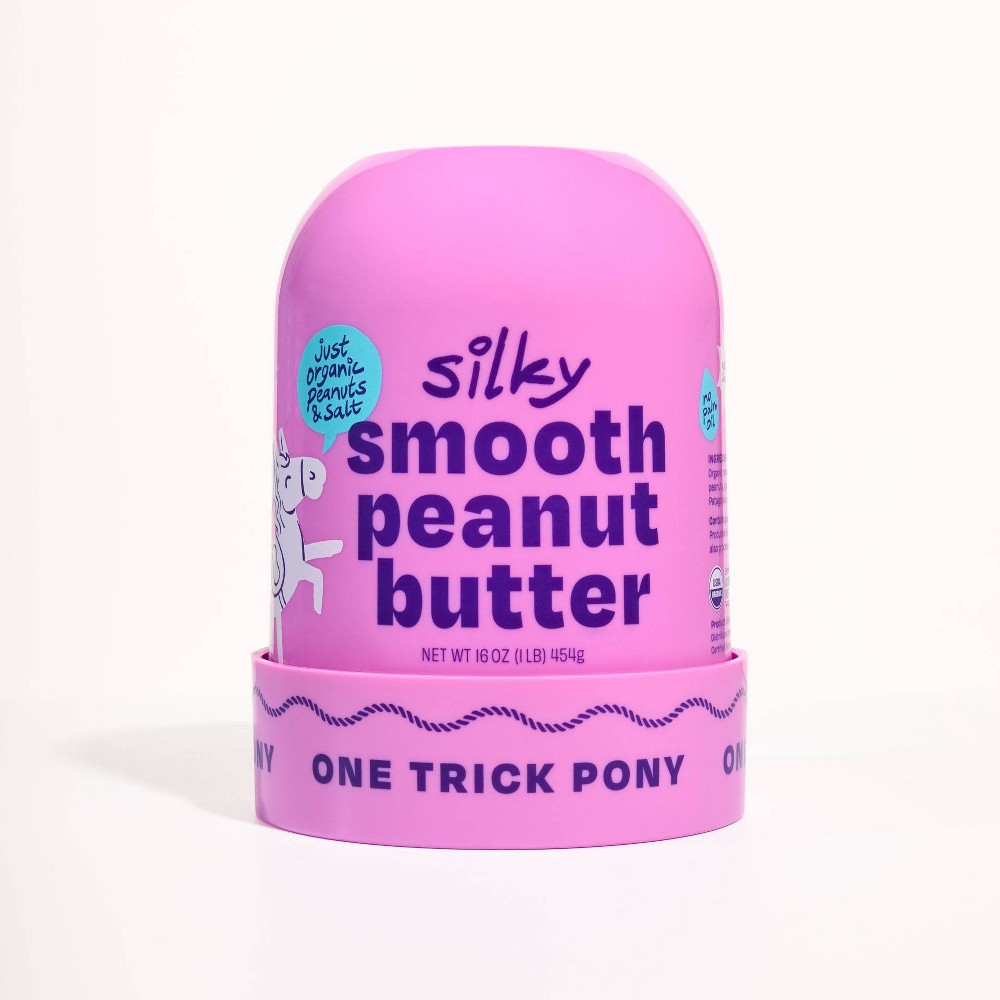
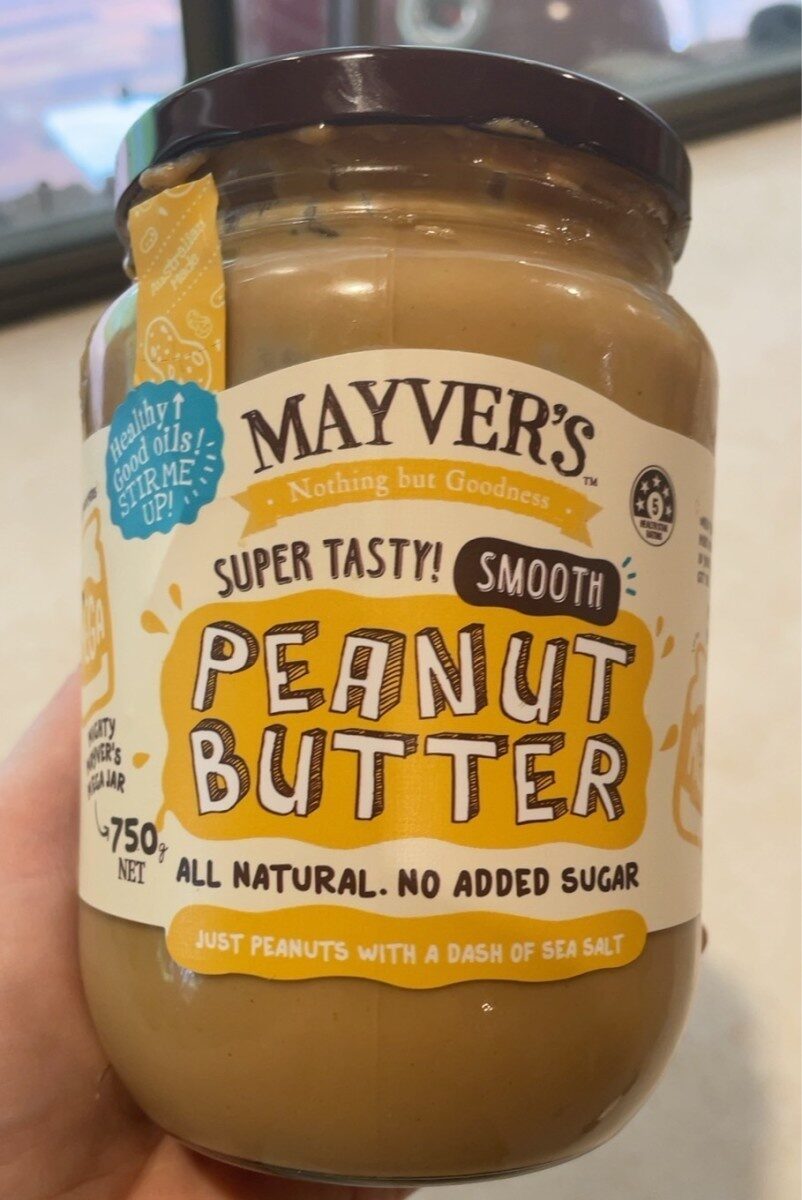


Waitrose Smooth Peanut Butter
Analysis updated September 2026 · How Scout scores
At a glance
Summary
This peanut butter contains a high percentage of roasted peanuts, which are a good source of protein and healthy fats. However, the inclusion of palm oil, despite being certified sustainable, raises concerns due to its environmental impact and saturated fat content. The product is moderately processed, which limits its potential health score.
Key ingredients 4
Roasted peanutsGood
Roasted peanuts are a good source of protein and healthy fats. They provide essential nutrients such as magnesium and vitamin E. The roasting process enhances flavor without significantly degrading nutritional value.
Risks
Peanuts can be allergenic for some individuals, potentially causing severe allergic reactions.
Benefits
Rich in monounsaturated fats and protein, supporting heart health and muscle maintenance.
Sea saltGood
Sea salt is a natural source of sodium and trace minerals. It is less processed than table salt, retaining more of its natural mineral content. Used in moderation, it can enhance flavor without significant health risks.
Risks
Excessive sodium intake can lead to hypertension and cardiovascular issues.
Benefits
Provides essential minerals and enhances flavor with minimal processing.
Palm oilBad
Palm oil is often criticized for its environmental impact and high saturated fat content. Although certified sustainable, its production can still contribute to deforestation. It is used for its stability and texture in processed foods.
Risks
High saturated fat content may contribute to cardiovascular issues if consumed in excess.
Benefits
Provides a stable fat source that enhances texture and shelf life of products.
Cane sugarBad
Processed additive flagged under Scout's ingredient doctrine.
Risks
Excessive intake of refined sugars can lead to metabolic disorders and dental issues.
Processing
Processed Foods
Get the full breakdown in the Scout appTake Scout shopping
Scan any product to see lab results, healthy alternatives, and your personalized analysis.
Download on theApp Store GET IT ONGoogle Play