
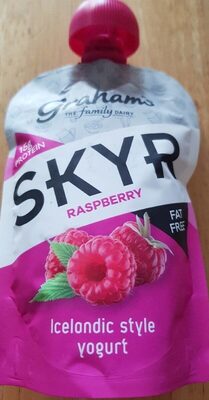
SKYR Raspberry Icelandic style yogurt

Graham's
60 Fair
View on Amazon

Summary

This yogurt contains beneficial ingredients like skyr yogurt with live cultures and raspberries, which provide protein and antioxidants. However, it is heavily processed and includes added sugar and natural flavorings, which detract from its health benefits. The presence of these additives and the high level of processing limit its overall healthiness.

At a glance

Beneficial ingredients 2
Harmful ingredients 2
Owned by Symington Family Estates
Category Yogurt

Key ingredients 8

Skyr Yogurt With Live Cultures
Good

Skyr yogurt is a high-protein dairy product that supports muscle maintenance and growth. It contains live cultures which are beneficial for gut health. The fermentation process enhances nutrient absorption and provides probiotics.

Benefits

Rich in protein and probiotics, which support digestive health and immune function.

Raspberries
Good

Raspberries are a natural source of vitamins, fiber, and antioxidants. They contribute to the flavor and nutritional profile of the yogurt. The presence of antioxidants may help reduce oxidative stress.

Benefits

High in dietary fiber and vitamin C, supporting immune health and digestion.

See more about Raspberries →
Sugar
Bad

Refined sugar is added to enhance sweetness but can contribute to excessive calorie intake. It lacks nutritional benefits and may lead to health issues like obesity and diabetes when consumed in excess. The presence of sugar in yogurt can diminish its health benefits.

Risks

Excessive consumption may lead to weight gain, insulin resistance, and increased risk of chronic diseases.

See more about Sugar →
Cornflour
Neutral

Cornflour is used as a thickening agent in the yogurt. It is a processed carbohydrate with minimal nutritional value. While it provides texture, it does not contribute significantly to the nutritional profile.

Raspberry Juice
Neutral

Raspberry juice is used for flavoring and color enhancement. It provides some natural fruit flavor but is present in minimal amounts. The juice contributes to the overall taste profile without significant nutritional impact.

Benefits

Provides natural flavor and color, enhancing the sensory appeal of the product.

Anthocyanins
Neutral

Anthocyanins are natural pigments used for coloring, derived from fruits and vegetables. They are considered safe and may have antioxidant properties. Their use in food is primarily for aesthetic purposes.

Benefits

May provide antioxidant benefits, although primarily used for color.

Citric Acid
Neutral

Citric acid is a natural preservative and flavor enhancer. It is commonly used to maintain freshness and enhance the tartness of foods. While it is generally recognized as safe, excessive consumption can lead to dental erosion.

Risks

Excessive consumption may contribute to dental erosion.

Benefits

Helps preserve freshness and enhances flavor.

See more about Citric Acid →
Natural Flavourings
Bad

Natural flavorings are used to enhance taste but lack transparency in their composition. They can be derived from various sources and may include additives. The lack of specificity raises concerns about potential allergens and additives.

Risks

Potential allergens and additives may be present, posing risks for sensitive individuals.

Benefits

Enhances the flavor profile of the product.

See more about Natural Flavourings →

Processing

Group 4 · Ultra-processed

Ultra-Processed Foods

Get the full breakdown in the Scout app

Scan any product to see lab results, healthy alternatives, and your personalized analysis.

Download on theApp Store