


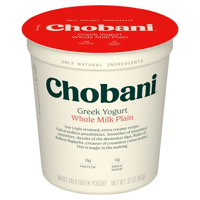
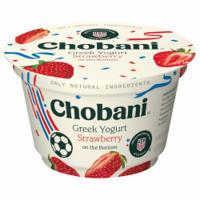


Chobani Zero Sugar Mixed Berry
ChobaniAnalysis updated August 2026 · How Scout scores
At a glance
Summary
This product contains beneficial ingredients like milk, skim milk, and citrus fiber, which contribute to its nutritional value. However, it is classified as ultra-processed due to the inclusion of natural flavors and multiple additives, which limits its overall healthiness. The use of sweeteners like allulose and stevia, while reducing sugar content, does not fully compensate for the processing level.
Key ingredients 15
MilkGood
Milk is a natural source of high-quality protein and essential nutrients like calcium and vitamin D. It is minimally processed and provides a complete amino acid profile. The presence of lactose may be a concern for lactose-intolerant individuals.
Risks
May cause digestive issues for lactose-intolerant individuals.
Benefits
Rich in calcium and vitamin D, supporting bone health and providing high-quality protein.
Citrus FiberGood
Citrus fiber is derived from citrus fruits and used to improve texture and fiber content. It is a natural source of dietary fiber, supporting digestive health. Its inclusion can enhance the nutritional profile of the product.
Benefits
Adds dietary fiber, supporting digestive health and improving texture.
Sea SaltGood
Sea salt is a natural source of sodium and trace minerals, minimally processed. It enhances flavor and provides essential electrolytes. Its unrefined nature retains beneficial minerals compared to table salt.
Risks
Excessive sodium intake can lead to hypertension and cardiovascular issues.
Benefits
Provides essential electrolytes and enhances flavor naturally.
Monk Fruit ExtractGood
Beneficial ingredient — whole-food or functional value in this product class.
Benefits
Provides sweetness without calories, beneficial for sugar-restricted diets.
CulturesGood
Cultures are beneficial bacteria used in fermentation, enhancing gut health. They contribute to the development of probiotics, supporting digestive and immune health. Their inclusion can improve the nutritional profile of dairy products.
Benefits
Supports gut health and enhances probiotic content.
WaterNeutral
Water is a fundamental ingredient used as a solvent and to adjust consistency. It is unprocessed and does not contribute any calories or nutrients. It serves as a base for the product without any health concerns.
See more about Water →Skim MilkNeutral
Standard formulation ingredient — neither beneficial nor harmful at typical use.
Risks
May not provide fat-soluble vitamins as effectively as whole milk.
Benefits
Offers protein and calcium with lower fat content, beneficial for calorie-conscious individuals.
AlluloseNeutral
Standard formulation ingredient — neither beneficial nor harmful at typical use.
Risks
Excessive consumption may lead to digestive discomfort such as bloating or diarrhea.
Benefits
Provides sweetness with minimal caloric impact, suitable for low-sugar diets.
Tapioca FlourNeutral
Tapioca flour is a starch extracted from cassava root, used as a thickening agent. It is gluten-free and minimally processed. It provides carbohydrates but lacks significant nutritional benefits.
Benefits
Gluten-free and provides a source of carbohydrates.
Vegetable Juice ConcentrateNeutral
Vegetable juice concentrate is used for color and may provide minimal nutrients. It is processed to remove water, concentrating the juice. While it adds color naturally, it does not significantly contribute to nutritional value.
Benefits
Provides natural coloring without artificial additives.
Guar GumNeutral
Guar gum is a thickening agent derived from guar beans, used to improve texture. It is generally recognized as safe but may cause digestive issues in sensitive individuals. It helps stabilize the product without significant nutritional impact.
Risks
May cause digestive discomfort in sensitive individuals.
Benefits
Improves texture and stability of the product.
Stevia Leaf ExtractNeutral
Stevia leaf extract is a natural, zero-calorie sweetener derived from the stevia plant. It provides sweetness without affecting blood sugar levels. Its natural origin makes it a preferable alternative to artificial sweeteners.
Benefits
Offers sweetness without calories, suitable for low-sugar diets.
Citrus AcidNeutral
Citric acid is a natural preservative and flavor enhancer found in citrus fruits. It is used to maintain freshness and enhance flavor. While generally safe, excessive consumption may cause dental erosion.
Risks
Excessive consumption may lead to dental erosion.
Benefits
Enhances flavor and preserves freshness naturally.
EnzymeNeutral
Enzymes are used to aid in processing and improve texture or flavor. They are typically derived from natural sources and are safe for consumption. Their role is functional, with no significant nutritional impact.
Benefits
Improves texture and processing efficiency.
Natural FlavorsBad
Natural flavors are often used to enhance taste but lack transparency in their composition. They can be derived from various sources and may include additives. The lack of disclosure can be concerning for those with allergies or sensitivities.
Risks
Potential allergen risk due to undisclosed components.
Benefits
Enhances flavor without adding calories.
Processing
Ultra-Processed Foods
Get the full breakdown in the Scout appTake Scout shopping
Scan any product to see lab results, healthy alternatives, and your personalized analysis.
Download on theApp Store GET IT ONGoogle PlayAmazon pricing & content
Amazon price as of . Product prices and availability are accurate as of the date/time indicated and are subject to change. Any price and availability information displayed on Amazon.com at the time of purchase will apply to the purchase of this product.
CERTAIN CONTENT THAT APPEARS ON THIS SITE COMES FROM AMAZON. THIS CONTENT IS PROVIDED “AS IS” AND IS SUBJECT TO CHANGE OR REMOVAL AT ANY TIME.