
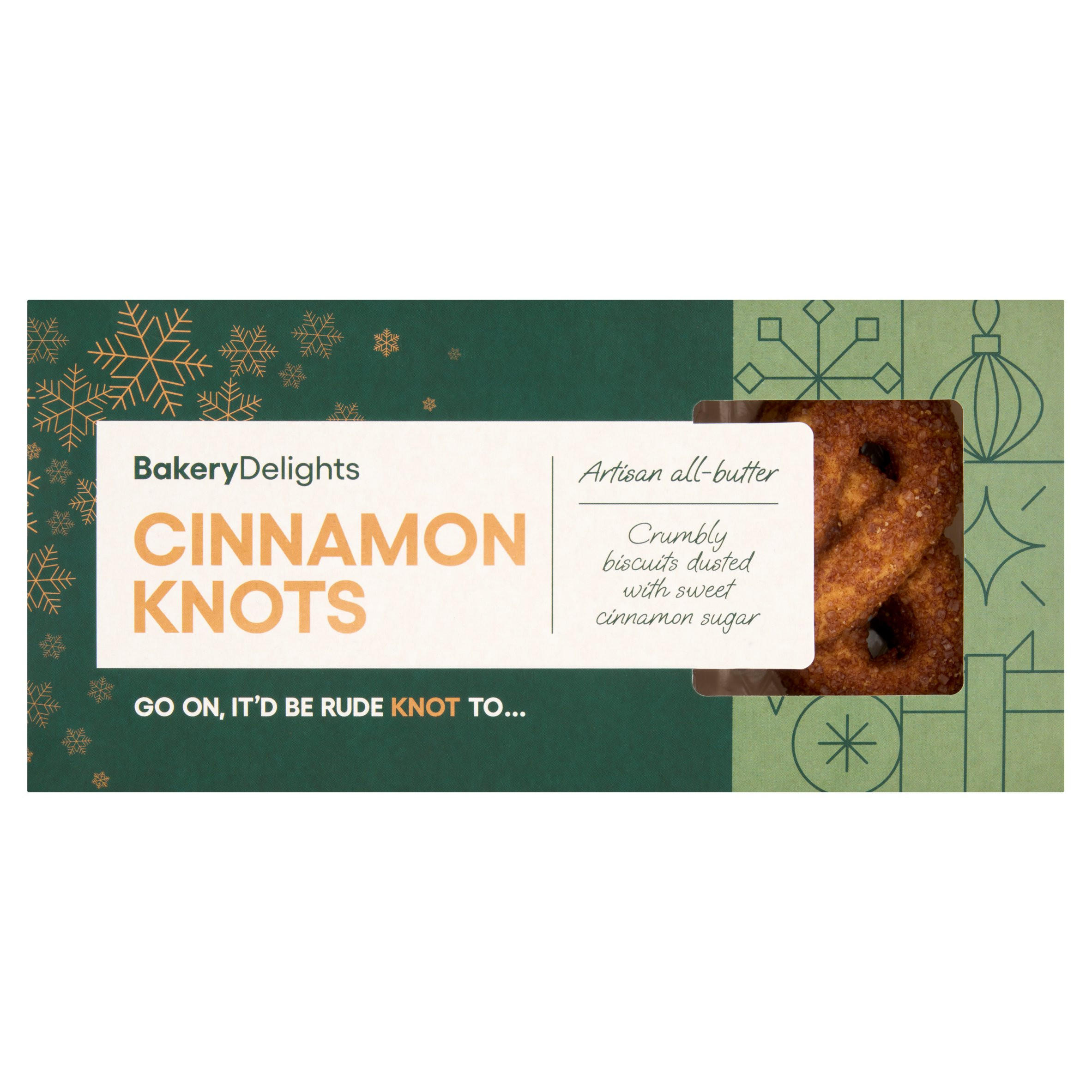


At a glance
Summary
The Cinnamon Knot is a processed food with a relatively simple ingredient list, featuring wheat flour, unsalted butter, sugar, yeast, salt, and cinnamon. While it contains beneficial ingredients like butter and cinnamon, the presence of refined sugar is a concern due to its potential impact on metabolic health. The product's processing level limits its score, but the absence of artificial additives and seed oils is a positive aspect.
Key ingredients 6
Unsalted ButterGood
Unsalted butter is a source of saturated fats and fat-soluble vitamins like A, D, E, and K. It is minimally processed and can be part of a balanced diet when consumed in moderation. Grass-fed butter is richer in omega-3 fatty acids and antioxidants compared to conventional butter.
Risks
Excessive consumption of saturated fats may increase the risk of heart disease.
Benefits
Rich in fat-soluble vitamins and provides a natural source of energy. Grass-fed varieties offer additional health benefits.
CinnamonGood
Cinnamon is a spice with antioxidant properties and potential health benefits, including blood sugar regulation. It is minimally processed and adds flavor without calories. Ceylon cinnamon is preferred for its lower coumarin content compared to Cassia cinnamon.
Risks
Excessive consumption of Cassia cinnamon may lead to liver damage due to high coumarin content.
Benefits
Contains antioxidants and may help regulate blood sugar levels.
YeastNeutral
Yeast is a microorganism used in baking to leaven dough, contributing to the texture and flavor of baked goods. It is a natural ingredient with minimal processing. Yeast fermentation can enhance the nutritional profile of bread by increasing B vitamins.
Benefits
Enhances the texture and flavor of baked goods and can increase B vitamin content through fermentation.
SaltNeutral
Salt is used to enhance flavor and preserve food. It is a refined ingredient that provides sodium, an essential mineral. Excessive sodium intake can lead to high blood pressure and cardiovascular issues.
Risks
High sodium intake is associated with increased risk of hypertension and cardiovascular diseases.
Benefits
Essential for maintaining fluid balance and nerve function.
Wheat FlourBad
Refined grain flour stripped of bran and germ.
Risks
Refined wheat flour can contribute to blood sugar spikes and lacks the fiber found in whole grains.
Benefits
Provides essential carbohydrates for energy, though whole grain options are more nutritious.
SugarBad
Sugar is a refined carbohydrate that can contribute to weight gain and metabolic issues when consumed in excess. It is often added to enhance flavor but provides no essential nutrients. Natural sweeteners or reducing sugar intake can be healthier alternatives.
Risks
High sugar intake is linked to obesity, type 2 diabetes, and heart disease.
Benefits
Provides quick energy but lacks nutritional benefits.
Processing
Processed Foods
Get the full breakdown in the Scout appTake Scout shopping
Scan any product to see lab results, healthy alternatives, and your personalized analysis.
Download on theApp Store GET IT ONGoogle Play