
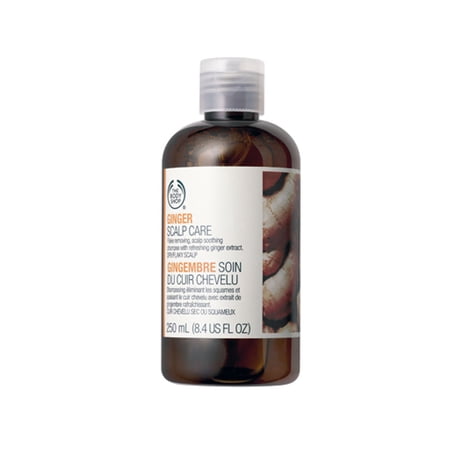


Body Shop Scalp Care
Analysis updated September 2026 · How Scout scores
At a glance
Summary
This shampoo contains beneficial ingredients like panthenol, aloe vera, and ginger root oil, which are known for their moisturizing and soothing properties. However, the presence of phenoxyethanol, synthetic fragrance, and benzyl alcohol raises concerns due to their potential for causing skin irritation and allergic reactions. The formula lacks harsh sulfates and silicones, but the inclusion of these potentially irritating ingredients affects its overall safety profile.
Key ingredients 25
PanthenolGood
Panthenol is a form of Vitamin B5 that acts as a moisturizer and humectant. It helps to improve hair elasticity and moisture retention. It is well-regarded for its soothing and hydrating properties.
Risks
There are minimal risks associated with Panthenol, as it is generally safe for use.
Benefits
It enhances hair moisture, making it appear shinier and healthier.
Aloe Barbadensis Leaf Juice PowderGood
Aloe Vera is known for its soothing and hydrating properties. It helps to calm irritated skin and provides moisture to hair and scalp. It is a popular ingredient in hair care for its beneficial effects.
Risks
There are minimal risks associated with Aloe Vera, as it is generally safe for use.
Benefits
It provides hydration and soothing benefits to the scalp and hair.
Salix Alba Bark Extract/Salix Alba (Willow) Bark ExtractGood
Willow Bark Extract is known for its anti-inflammatory and exfoliating properties. It contains salicin, which is a natural precursor to salicylic acid. It helps to soothe the scalp and reduce dandruff.
Risks
There are minimal risks associated with Willow Bark Extract, but it may cause irritation in sensitive individuals.
Benefits
It helps to soothe the scalp and reduce dandruff, promoting a healthier scalp environment.
Zingiber Officinale Root Oil/Zingiber Officinale (Ginger) Root OilGood
Ginger Root Oil is known for its stimulating and anti-inflammatory properties. It helps to improve scalp circulation and promote hair health. It is valued for its invigorating scent and potential benefits for hair growth.
Risks
There are minimal risks associated with Ginger Root Oil, but it may cause irritation in sensitive individuals.
Benefits
It stimulates the scalp and may promote healthier hair growth.
Betula Alba Bark ExtractGood
Betula Alba Bark Extract is known for its soothing and anti-inflammatory properties. It helps to calm irritated skin and scalp. It is valued for its potential benefits in promoting a healthy scalp environment.
Risks
There are minimal risks associated with Betula Alba Bark Extract, as it is generally safe for use.
Benefits
It soothes the scalp and may promote a healthier scalp environment.
Aqua/Water/EauNeutral
Water is a common solvent used in cosmetic formulations. It acts as a base for the product, helping to dissolve other ingredients. It does not have any direct benefits or risks associated with its use.
Risks
There are no significant risks associated with water in cosmetic products.
Benefits
Water helps in the application and spreadability of the product.
Cetearyl AlcoholNeutral
Standard formulation ingredient — neither beneficial nor harmful at typical use.
Risks
There are minimal risks associated with Cetearyl Alcohol, as it is generally well-tolerated.
Benefits
It provides conditioning benefits, making hair feel softer and smoother.
HydroxyethylcelluloseNeutral
Hydroxyethylcellulose is a thickening agent used to improve the texture of cosmetic products. It helps to stabilize formulations and improve spreadability. It does not have direct benefits or risks for hair or skin.
Risks
There are no significant risks associated with Hydroxyethylcellulose.
Benefits
It improves the texture and application of the product.
sr-Spider Polypeptide-1Neutral
Spider Polypeptide-1 is a synthetic peptide used for its film-forming properties. It helps to improve the texture and feel of hair. It does not have significant health benefits or risks.
Risks
There are no significant risks associated with Spider Polypeptide-1.
Benefits
It helps to improve the texture and manageability of hair.
CitronellolNeutral
Citronellol is a naturally occurring fragrance compound found in essential oils. It is used for its scent properties in cosmetics. While generally safe, it can cause irritation in sensitive individuals.
Risks
Potential skin irritation and sensitization in sensitive individuals.
Benefits
Contributes to the fragrance profile of the product.
1, 2-HexanediolNeutral
1, 2-Hexanediol is a synthetic preservative and humectant used in cosmetics. It helps to retain moisture and improve the texture of formulations. It is generally considered safe with minimal risks.
Risks
There are no significant risks associated with 1, 2-Hexanediol.
Benefits
It helps to retain moisture and improve the product's texture.
Caprylyl GlycolNeutral
Caprylyl Glycol is a skin-conditioning agent and humectant used in cosmetics. It helps to retain moisture and improve the texture of formulations. It is generally considered safe with minimal risks.
Risks
There are no significant risks associated with Caprylyl Glycol.
Benefits
It helps to retain moisture and improve the product's texture.
Disodium PhosphateNeutral
Disodium Phosphate is used as a buffering agent in cosmetics. It helps to maintain the pH balance of formulations. It does not have direct benefits or risks for hair or skin.
Risks
There are no significant risks associated with Disodium Phosphate.
Benefits
It helps to maintain the stability and pH balance of the product.
Citric AcidNeutral
Citric Acid is used to adjust the pH of cosmetic formulations. It helps to maintain the stability and effectiveness of the product. It does not have direct benefits or risks for hair or skin.
Risks
There are no significant risks associated with Citric Acid.
Benefits
It helps to maintain the stability and pH balance of the product.
Cetrimonium ChlorideBad
Processed additive flagged under Scout's ingredient doctrine.
Risks
Overuse can lead to buildup on the hair, potentially causing dullness.
Benefits
It helps improve hair manageability and reduces static.
PhenoxyethanolBad
Phenoxyethanol is a preservative used to prevent microbial growth in cosmetics. It is effective but has been associated with skin irritation in some individuals. It is restricted in certain regions for use in baby products.
Risks
Potential skin irritation and allergic reactions in sensitive individuals.
Benefits
It helps extend the shelf life of the product by preventing microbial contamination.
LecithinBad
Processed additive flagged under Scout's ingredient doctrine.
Risks
There are minimal risks associated with Lecithin, as it is generally well-tolerated.
Benefits
It helps to condition and soften hair, improving its overall texture.
Propylene GlycolBad
Processed additive flagged under Scout's ingredient doctrine.
Risks
Potential skin irritation in sensitive individuals.
Benefits
It helps to retain moisture, improving the hydration of hair and skin.
LinaloolBad
Processed additive flagged under Scout's ingredient doctrine.
Risks
Potential skin irritation in sensitive individuals.
Benefits
Contributes to the fragrance profile of the product.
LimoneneBad
Processed additive flagged under Scout's ingredient doctrine.
Risks
Potential skin irritation and sensitization in sensitive individuals.
Benefits
Provides a citrus scent to the product.
CitralBad
Processed additive flagged under Scout's ingredient doctrine.
Risks
Potential skin irritation and sensitization in sensitive individuals.
Benefits
Provides a lemon scent to the product.
Benzyl AlcoholBad
Benzyl Alcohol is used as a preservative and solvent in cosmetics. It can cause skin irritation and allergic reactions in sensitive individuals. It is considered a drying alcohol, which can be harsh on hair and scalp.
Risks
Potential skin irritation and dryness, especially in sensitive individuals.
Benefits
It acts as a preservative, extending the product's shelf life.
Polysorbate 60Bad
Processed additive flagged under Scout's ingredient doctrine.
Risks
There are no significant risks associated with Polysorbate 60.
Benefits
It helps to stabilize and improve the texture of the product.
Sodium PhosphateBad
Processed additive flagged under Scout's ingredient doctrine.
Risks
There are no significant risks associated with Sodium Phosphate.
Benefits
It helps to maintain the stability and pH balance of the product.
Parfum/FragranceVery Bad
Synthetic fragrances are used to impart scent to cosmetic products. They can cause allergic reactions and skin irritation in sensitive individuals. The exact composition is often undisclosed, leading to potential concerns.
Risks
Potential skin irritation and allergic reactions due to undisclosed components.
Benefits
Provides a pleasant scent to the product.
Get the full breakdown in the Scout appTake Scout shopping
Scan any product to see lab results, healthy alternatives, and your personalized analysis.
Download on theApp Store GET IT ONGoogle PlayAmazon pricing & content
Amazon price as of . Product prices and availability are accurate as of the date/time indicated and are subject to change. Any price and availability information displayed on Amazon.com at the time of purchase will apply to the purchase of this product.
CERTAIN CONTENT THAT APPEARS ON THIS SITE COMES FROM AMAZON. THIS CONTENT IS PROVIDED “AS IS” AND IS SUBJECT TO CHANGE OR REMOVAL AT ANY TIME.