


At a glance
Summary
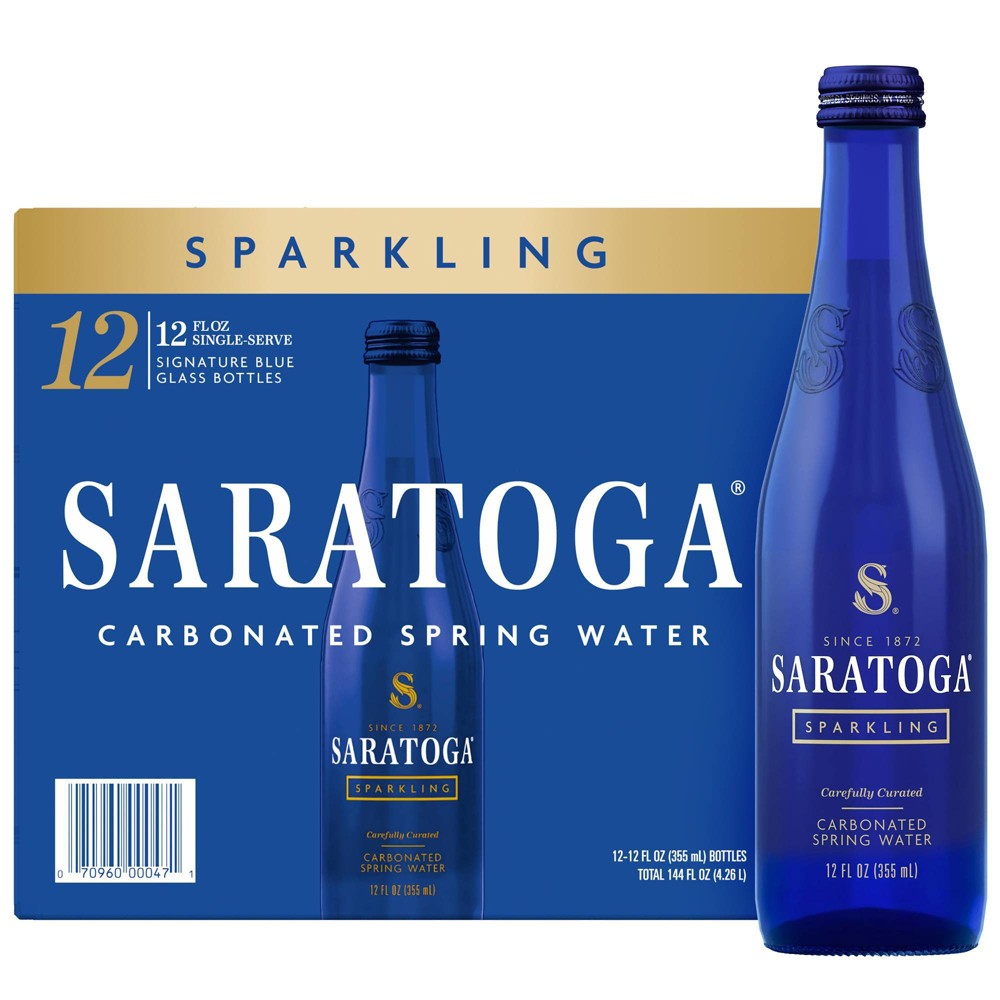
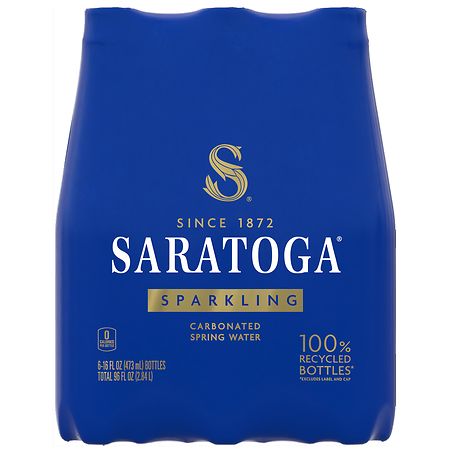
This product is sourced from a natural spring, ensuring high purity and minimal processing. It contains beneficial minerals like calcium, magnesium, and potassium, which contribute to its nutritional value. The packaging appears safe, and there are no indications of harmful contaminants or additives, making it a high-quality choice for hydration.
Key ingredients 10
Still Spring WaterVery Good
Still spring water is considered very good due to its natural source and minimal processing. It is typically free from artificial additives and contaminants, ensuring purity. The water is bottled directly from the source, maintaining its natural mineral content.
Benefits
Provides hydration and essential minerals without any added substances.
CalciumVery Good
Calcium is a very good ingredient as it is essential for bone health and metabolic functions. It is naturally present in spring water, contributing to its mineral profile. Adequate calcium intake supports bone density and reduces the risk of osteoporosis.
Benefits
Supports bone health and metabolic functions.
MagnesiumGood
Magnesium is a good ingredient due to its role in muscle and nerve function. It is naturally occurring in spring water, enhancing its nutritional value. Magnesium also aids in energy production and supports a healthy immune system.
Benefits
Contributes to muscle and nerve function, and supports energy production.
PotassiumGood
Potassium is a good ingredient because it is vital for heart and muscle function. It is naturally found in spring water, contributing to its electrolyte balance. Potassium helps regulate blood pressure and supports cardiovascular health.
Benefits
Supports heart health and helps regulate blood pressure.
BicarbonateGood
Bicarbonate is a good ingredient as it helps maintain pH balance in the body. It is naturally present in spring water, contributing to its alkalinity. Bicarbonate can aid in digestion and neutralize stomach acid.
Benefits
Helps maintain pH balance and aids in digestion.
ChlorideGood
Beneficial ingredient — whole-food or functional value in this product class.
Risks
Excessive chloride intake can contribute to fluid imbalance.
Benefits
Helps maintain fluid balance and supports digestion.
SodiumNeutral
Sodium is a neutral ingredient as it is necessary for fluid balance but should be consumed in moderation. It is naturally present in spring water, contributing to its electrolyte content. Excessive sodium intake can lead to hypertension, but the levels in natural spring water are typically low.
Risks
Excessive sodium intake can lead to hypertension.
Benefits
Helps maintain fluid balance and supports nerve function.
SulphateNeutral
Sulphate is a neutral ingredient as it is naturally occurring and contributes to the mineral content of water. It is involved in protein synthesis and enzyme function. Sulphate levels in natural spring water are typically safe and beneficial.
Benefits
Supports protein synthesis and enzyme function.
NitrateNeutral
Nitrate is a neutral ingredient as it is naturally present in water but should be monitored for safety. It is involved in the nitrogen cycle and can be beneficial in small amounts. High levels of nitrate can pose health risks, but natural spring water typically contains safe levels.
Risks
High levels of nitrate can pose health risks, such as methemoglobinemia.
Benefits
Involved in the nitrogen cycle and can support cardiovascular health in small amounts.
Dry ResiduesNeutral
Dry residues are a neutral component representing the total dissolved solids in water. They indicate the mineral content and purity of the water. High levels of dry residues can affect taste but are generally not harmful.
Risks
High levels can affect taste but are generally not harmful.
Benefits
Indicate mineral content and purity of the water.
Processing
Unprocessed or Minimally Processed Foods
Get the full breakdown in the Scout appTake Scout shopping
Scan any product to see lab results, healthy alternatives, and your personalized analysis.
Download on theApp Store GET IT ONGoogle Play