
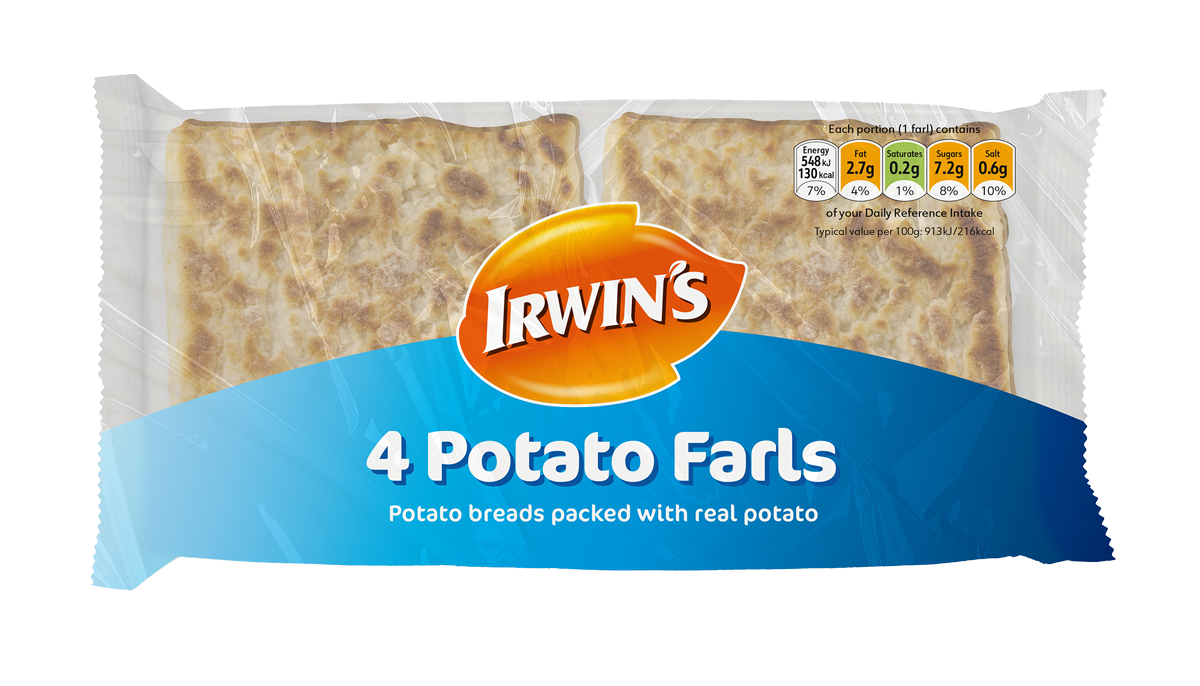



Potato Farls
Summary
Potato Farls contain rapeseed oil, which is a highly processed seed oil that can contribute to inflammation. The product is moderately processed, which limits its score potential. Despite having a relatively simple ingredient list, the presence of a harmful ingredient like rapeseed oil significantly impacts its health rating.
At a glance
Key ingredients 10
WaterNeutral
Water is a neutral ingredient used as a solvent and to provide moisture. It does not contribute any calories or nutrients. It is essential for the texture and consistency of the product.
See more about Water →Dried PotatoNeutral
Dried potato is a processed form of potato used for its carbohydrate content. It provides energy but lacks the fiber and nutrients found in whole potatoes. The drying process may reduce some nutrient content.
Risks
May contribute to high glycemic load if consumed in excess.
Benefits
Provides carbohydrates for energy.
Wheat FlourNeutral
Wheat flour is a staple ingredient providing carbohydrates and some protein. It is often enriched to replace nutrients lost during processing. It is a common allergen and may cause issues for those with gluten intolerance.
Risks
Contains gluten, which can cause adverse reactions in individuals with celiac disease or gluten sensitivity.
Benefits
Provides carbohydrates and some protein, often enriched with vitamins and minerals.
Calcium CarbonateNeutral
Calcium carbonate is used as a dietary supplement and food additive to increase calcium content. It is generally recognized as safe when used in food products. It can help improve bone health when consumed as part of a balanced diet.
Risks
Excessive intake may lead to hypercalcemia or kidney stones.
Benefits
Increases calcium content, supporting bone health.
IronNeutral
Iron is an essential mineral added to fortify foods and prevent anemia. It is crucial for oxygen transport in the blood. Fortification helps meet dietary iron needs, especially in populations at risk of deficiency.
Risks
Excessive iron intake can lead to toxicity and organ damage.
Benefits
Essential for oxygen transport and preventing iron-deficiency anemia.
NiacinNeutral
Niacin, or vitamin B3, is added to foods to prevent deficiency and support metabolic health. It plays a role in energy production and DNA repair. Fortification helps ensure adequate intake in the diet.
Risks
High doses can cause flushing and liver damage.
Benefits
Supports energy metabolism and DNA repair.
ThiaminNeutral
Thiamin, or vitamin B1, is essential for carbohydrate metabolism and nerve function. It is often added to foods to prevent deficiency. Fortification ensures adequate intake, particularly in processed foods.
Benefits
Essential for energy metabolism and nerve function.
Rapeseed OilVery Bad
Rapeseed oil, also known as canola oil, is a seed oil high in omega-6 fatty acids. It is often highly processed and may contribute to inflammation when consumed in excess. The refining process can strip beneficial nutrients and introduce harmful compounds.
Risks
High omega-6 content may promote inflammation when consumed in excess.
SaltNeutral
Salt is used to enhance flavor and preserve food. It is essential for maintaining fluid balance and nerve function. Excessive consumption can lead to hypertension and cardiovascular issues.
Risks
Excessive intake can lead to high blood pressure and cardiovascular disease.
Benefits
Essential for fluid balance and nerve function.
PreservativeNeutral
Calcium-based preservatives are used to extend shelf life and prevent spoilage. They are generally recognized as safe when used in food products. They help maintain product quality over time.
Benefits
Helps extend shelf life and maintain product quality.
Processing
Processed Foods
Get the full breakdown in the Scout app
Scan any product to see lab results, healthy alternatives, and your personalized analysis.
Download on theApp Store