


At a glance
Summary
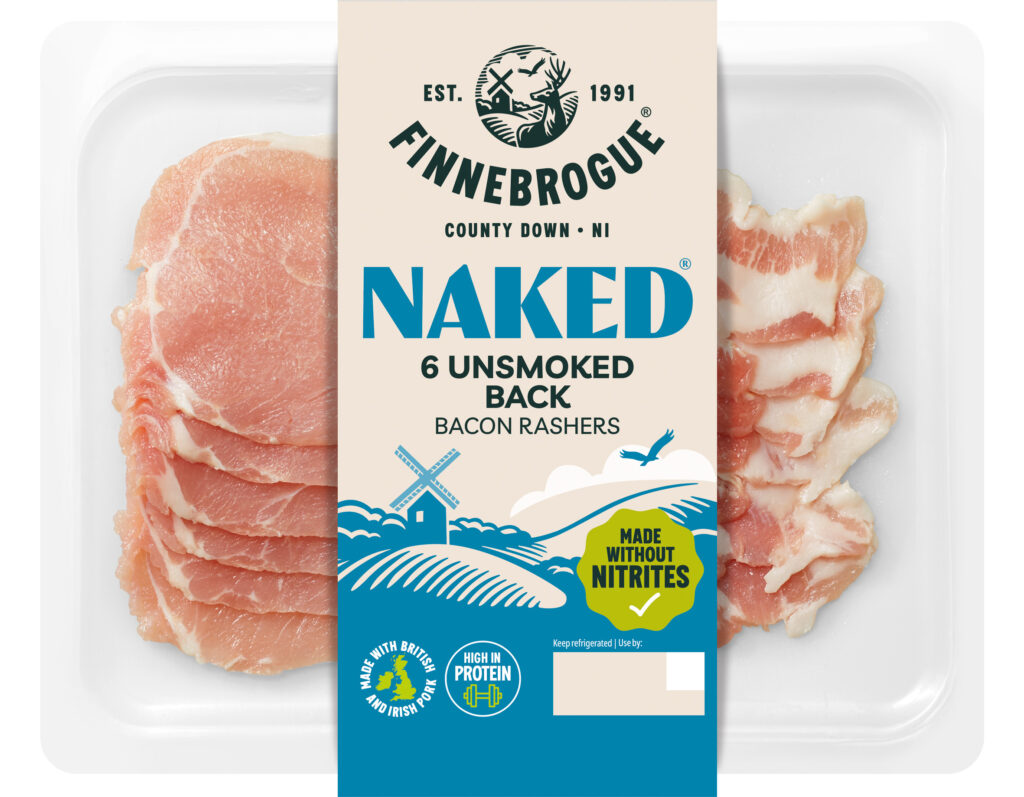
This product is ultra-processed, which limits its potential health score despite having a relatively short ingredient list. The presence of 'natural flavouring' is a concern due to its lack of transparency, which can include various processed substances. While it contains a high percentage of pork and minimal additives, the processing level and the use of vague flavoring terms impact its overall health rating.
Key ingredients 5
Ascorbic AcidGood
Vitamin C — beneficial even when serving as a preservative.
See more about Ascorbic Acid →PorkNeutral
Pork is a natural meat source that provides high-quality protein, but it is also high in saturated fat and cholesterol, which should be consumed in moderation.
See more about Pork →WaterNeutral
Water is essential for hydration and is used as a base in many processed foods, with no adverse effects when consumed in typical amounts.
See more about Water →SaltNeutral
Salt enhances flavor and preserves food, but excessive intake can contribute to high blood pressure and other health issues.
See more about Salt →Natural FlavouringNeutral
Natural flavourings are added to improve taste and aroma, generally considered safe and derived from natural sources.
See more about Natural Flavouring →Processing
Ultra-Processed Foods
Get the full breakdown in the Scout appTake Scout shopping
Scan any product to see lab results, healthy alternatives, and your personalized analysis.
Download on theApp Store GET IT ONGoogle Play