



At a glance
Summary
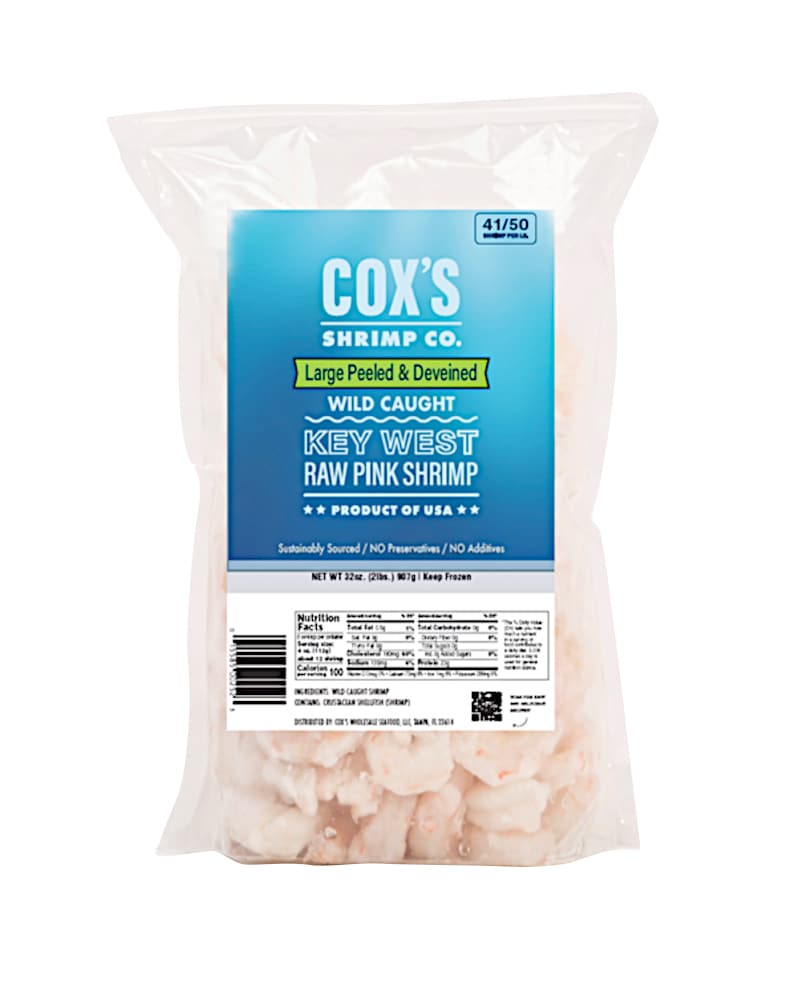
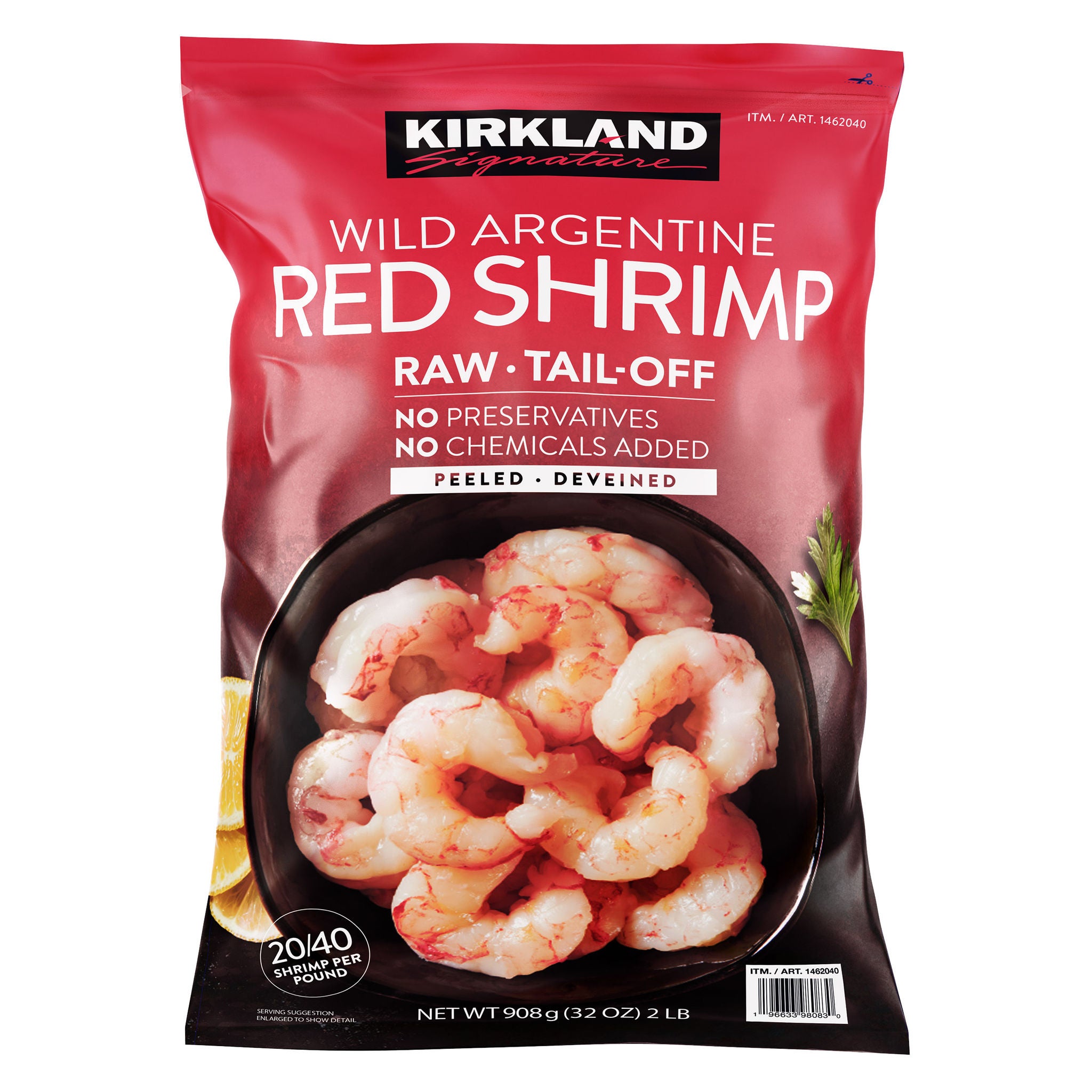
This shrimp product is processed and contains sodium bisulfite and sodium tripolyphosphate, which are used as preservatives and moisture retainers. These additives can cause allergic reactions and contribute to increased sodium intake, which are potential health concerns. The presence of these processing aids limits the product's health score despite shrimp being a generally nutritious seafood option.
Key ingredients 3
ShrimpNeutral
Shrimp is a good source of protein and essential nutrients like selenium and vitamin B12. It is low in calories and fat, making it a healthy choice for many diets. However, it can be high in cholesterol, which may be a concern for some individuals.
Risks
Potential allergen for some individuals and may contain traces of heavy metals or pollutants depending on sourcing.
Benefits
Rich in protein and essential nutrients such as selenium and vitamin B12, supporting overall health.
Sodium BisulfiteBad
Sodium bisulfite is used as a preservative to prevent discoloration in shrimp. It can cause allergic reactions in sensitive individuals, particularly those with asthma. The use of sulfites is regulated due to potential health concerns.
Risks
May cause allergic reactions, especially in asthmatic individuals, and can lead to respiratory issues.
Benefits
Helps maintain the appearance and shelf life of shrimp by preventing discoloration.
Sodium TripolyphosphateBad
Sodium tripolyphosphate is used to retain moisture and improve texture in seafood. It is considered a processing aid and can lead to increased sodium intake. Overuse may result in a rubbery texture and potential health concerns.
Risks
Excessive consumption can lead to increased sodium intake and potential kidney issues.
Benefits
Improves moisture retention and texture in seafood products.
Processing
Processed Foods
Get the full breakdown in the Scout appTake Scout shopping
Scan any product to see lab results, healthy alternatives, and your personalized analysis.
Download on theApp Store GET IT ONGoogle Play