


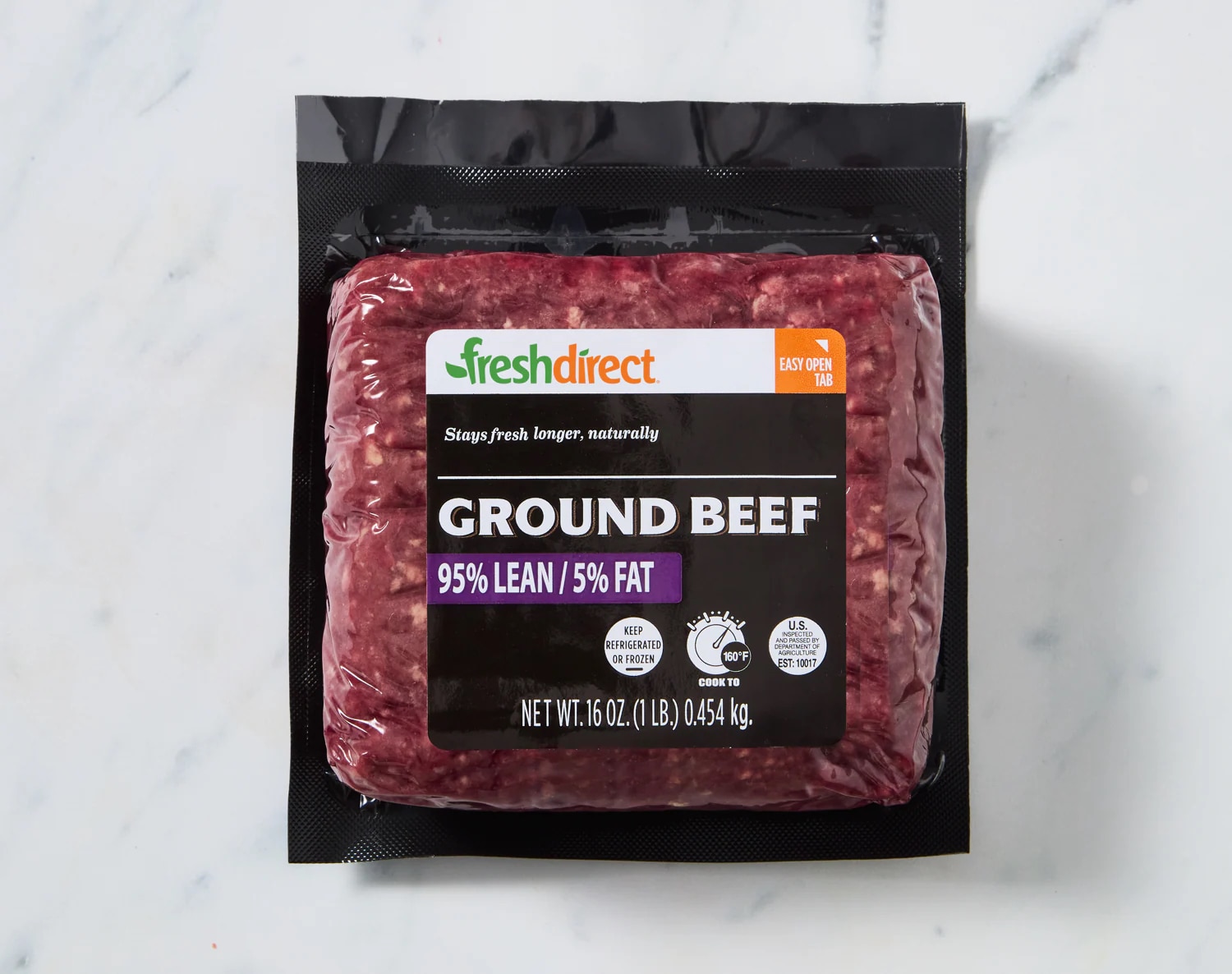
Chuck And Brisket Ground Beef
Private SelectionAnalysis updated July 2026 · How Scout scores
At a glance
Summary
This product contains beef as the primary ingredient, which is a good source of protein. However, the inclusion of canola oil, a heavily processed seed oil, and fractionated palm oil, which is high in saturated fats, negatively impacts its health profile. The presence of these processed oils and the overall processing level limit the product's score, despite its protein content.
Key ingredients 9
SpicesGood
Whole-food seasonings, antioxidant-bearing.
Benefits
Potential to provide antioxidants and enhance flavor without adding calories.
Dehydrated OnionGood
Beneficial ingredient — whole-food or functional value in this product class.
Benefits
May provide some antioxidants and flavor enhancement.
BeefNeutral
Beef is a rich source of high-quality protein and essential nutrients like iron and B vitamins. The quality can vary based on factors such as grass-fed versus grain-fed, which affects nutrient profile. Without specific sourcing information, it is considered a neutral ingredient.
Risks
Potential risks include high saturated fat content, which may impact heart health if consumed in excess.
Benefits
Provides essential amino acids and nutrients necessary for muscle growth and maintenance.
SaltNeutral
Salt is used to enhance flavor and preserve food. It is a common culinary ingredient but lacks additional health benefits unless it is unrefined. Excessive consumption can lead to health issues such as hypertension.
Risks
High sodium intake is associated with increased risk of hypertension and cardiovascular diseases.
Benefits
Essential for maintaining fluid balance and nerve function in the body.
Dehydrated GarlicNeutral
Dehydrated garlic retains many of the beneficial compounds found in fresh garlic, such as allicin. It is used for flavoring and may have some health benefits. However, the drying process can reduce some of its potency.
Benefits
May support heart health and immune function due to its antioxidant properties.
Chili PepperNeutral
Chili pepper is used for its spicy flavor and contains capsaicin, which may have health benefits. It is generally considered a neutral ingredient due to its flavoring role. Capsaicin may support metabolism and provide anti-inflammatory effects.
Risks
May cause digestive discomfort in sensitive individuals.
Benefits
Contains capsaicin, which may aid in metabolism and provide anti-inflammatory benefits.
Silicon DioxideNeutral
Silicon dioxide is used as an anti-caking agent to prevent clumping in powdered ingredients. It is generally recognized as safe and does not contribute to nutritional value. It is considered a neutral ingredient due to its functional role.
See more about Silicon Dioxide →Fractionated Palm OilBad
Fractionated palm oil is a processed oil that is high in saturated fats. The fractionation process separates the oil into solid and liquid components, which can increase its stability but also its saturated fat content. It is considered a negative ingredient due to environmental concerns and health impacts.
Risks
High in saturated fats, which may contribute to heart disease if consumed in excess.
Benefits
Provides a stable cooking fat with a long shelf life.
Canola OilVery Bad
Canola oil is a seed oil high in omega-6 fatty acids, which can promote inflammation when consumed in excess. It is heavily processed and often genetically modified. Due to these factors, it is considered a very bad ingredient.
Risks
High omega-6 content may promote inflammation and is often genetically modified.
Processing
Processed Foods
Get the full breakdown in the Scout appTake Scout shopping
Scan any product to see lab results, healthy alternatives, and your personalized analysis.
Download on theApp Store GET IT ONGoogle Play