


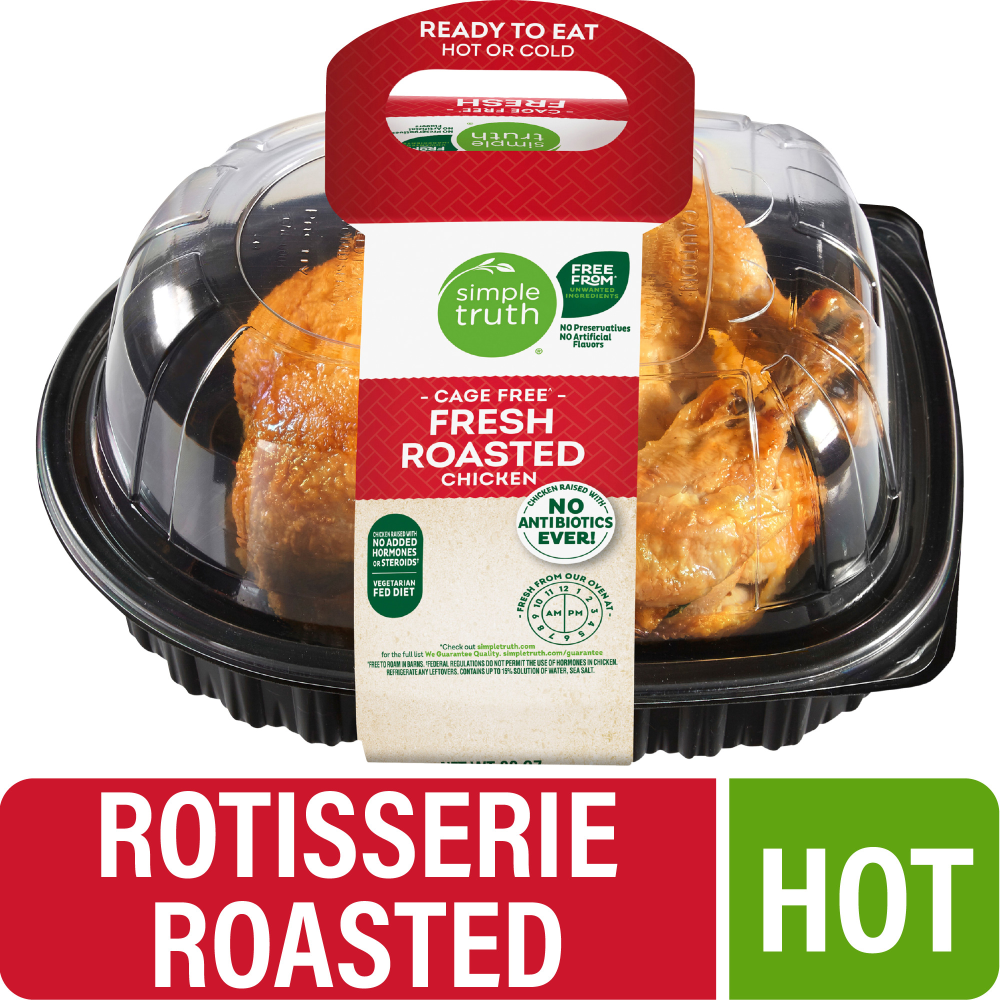

half butter basted chicken to go
Analysis updated July 2026 · How Scout scores
At a glance
Summary
This product contains high-quality chicken as the primary ingredient, which is a good source of protein and minimally processed. However, the inclusion of sunflower oil, a seed oil high in omega-6 fatty acids, and refined sugar detracts from its overall healthiness. These ingredients can contribute to inflammation and metabolic issues, impacting the product's nutritional profile negatively.
Key ingredients 14
ChickenGood
Chicken is a high-quality source of protein, providing essential amino acids necessary for muscle growth and repair. It is minimally processed in this product, maintaining its nutritional integrity. Compared to plant-based proteins, chicken offers a more complete amino acid profile.
Risks
Potential risks include contamination with bacteria such as Salmonella if not cooked properly.
Benefits
Rich in protein and low in carbohydrates, making it a suitable choice for various dietary needs.
WaterNeutral
Water is used as a solvent and to maintain moisture in food products. It is a neutral ingredient with no direct nutritional impact. Its presence helps in maintaining the texture and juiciness of the chicken.
See more about Water →SaltNeutral
Salt is used for seasoning and preserving food, enhancing flavor. In moderate amounts, it is essential for maintaining electrolyte balance. However, excessive consumption can lead to health issues such as hypertension.
Risks
Excessive intake may contribute to high blood pressure and cardiovascular issues.
Benefits
Provides essential sodium necessary for nerve and muscle function.
Rice StarchNeutral
Rice starch is used as a thickening agent and stabilizer in food products. It is a carbohydrate source but provides minimal nutritional value. It is less processed compared to other starches, maintaining a neutral impact on health.
See more about Rice Starch →CornflourNeutral
Cornflour is used as a thickening agent and provides a source of carbohydrates. It is a refined product with limited nutritional benefits. Compared to whole grain flours, it lacks fiber and essential nutrients.
Dried ButtermilkNeutral
Dried buttermilk is used for flavor and texture enhancement, providing a slight tangy taste. It contains some protein and calcium but is less nutritious than fresh dairy products. It is a processed dairy product with minimal impact on overall health.
Risks
May cause allergic reactions in individuals with lactose intolerance or milk allergies.
Benefits
Provides a small amount of protein and calcium.
Dried OnionsNeutral
Dried onions are used for flavoring and provide some antioxidants and vitamins. They are a dehydrated form of onions, retaining some nutritional properties. However, the drying process may reduce their overall nutrient content.
Benefits
Provides flavor and some antioxidants.
Dried GarlicNeutral
Dried garlic is used for flavor and has some antimicrobial properties. It retains some of the beneficial compounds found in fresh garlic, though in reduced amounts. It is a convenient form of garlic with minimal processing.
Benefits
Contains compounds that may support immune function.
Cracked Black PepperNeutral
Cracked black pepper is used for seasoning and has antioxidant properties. It contains piperine, which can enhance nutrient absorption. It is a natural spice with minimal processing.
Benefits
May enhance nutrient absorption and provide antioxidants.
Dried ButterNeutral
Dried butter is used for flavor and provides some fat content. It is a processed form of butter, retaining some of its original taste and texture. Compared to fresh butter, it is less nutritious due to processing.
Risks
May contain lactose, which can cause issues for lactose-intolerant individuals.
Benefits
Provides flavor and some fat content.
Dried Skimmed MilkNeutral
Dried skimmed milk is used for texture and provides some protein and calcium. It is a processed dairy product with reduced fat content. It offers some nutritional benefits but is less beneficial than whole milk.
Risks
May cause allergic reactions in individuals with milk allergies.
Benefits
Provides protein and calcium with reduced fat content.
SugarBad
Refined sugar is added for flavor enhancement but offers no nutritional benefits. It is associated with increased risk of obesity, diabetes, and other metabolic disorders. Unlike natural sugars found in whole foods, refined sugar lacks fiber and nutrients.
Risks
High consumption can lead to weight gain, insulin resistance, and dental cavities.
Yeast ExtractBad
Concentrated glutamate source — MSG-adjacent flavor enhancer.
Risks
May contain glutamates, which can cause sensitivity in some individuals.
Benefits
Contains B vitamins and amino acids, though in small amounts.
Sunflower OilVery Bad
Sunflower oil is a seed oil high in omega-6 fatty acids, which can promote inflammation when consumed in excess. It is often extracted using high heat and chemicals, which can degrade its nutritional quality. Compared to healthier oils like olive or avocado, sunflower oil is less beneficial.
Risks
High omega-6 content may promote inflammation and imbalance in omega-3 to omega-6 ratio.
Processing
Unprocessed or Minimally Processed Foods
Get the full breakdown in the Scout appTake Scout shopping
Scan any product to see lab results, healthy alternatives, and your personalized analysis.
Download on theApp Store GET IT ONGoogle Play