
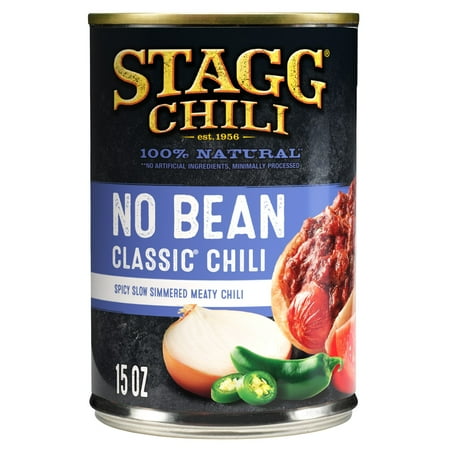


STAGG, BEEF CHILI NO BEANS
Analysis updated July 2026 · How Scout scores
At a glance
Summary
This beef chili is a processed food with a moderate level of additives, including citric acid, which is commonly used as a preservative. While it contains beneficial ingredients like beef and tomatoes, the presence of processed elements and the brand's association with ultra-processed products and welfare concerns contribute to a lower score. The product's processing level limits its potential for a higher rating despite some nutritious components.
Key ingredients 13
BeefGood
Beef is a high-quality source of protein and essential nutrients like iron and B vitamins. It provides a complete amino acid profile, supporting muscle growth and repair. Grass-fed beef would be preferable for higher omega-3 content.
Risks
Excessive consumption of red meat may be linked to increased risk of certain diseases.
Benefits
Rich in protein and essential nutrients, supporting overall health and muscle maintenance.
Beef brothGood
Beef broth is a flavorful liquid made by simmering beef bones and connective tissues. It contains collagen and minerals that may support joint health and digestion. Homemade or low-sodium versions are preferable for reduced sodium intake.
Risks
Commercial broths may contain high sodium levels, which can contribute to hypertension.
Benefits
Provides collagen and minerals that may support joint health and digestion.
Tomatoes in juiceGood
Tomatoes in juice are a source of vitamins A and C, as well as antioxidants like lycopene. They contribute to heart health and may reduce the risk of certain cancers. Fresh or organic tomatoes are preferable for higher nutrient content.
Benefits
Rich in vitamins and antioxidants, supporting heart health and reducing cancer risk.
SpicesGood
Whole-food seasonings, antioxidant-bearing.
Benefits
May provide antioxidants and anti-inflammatory benefits.
PaprikaGood
Beneficial ingredient — whole-food or functional value in this product class.
Benefits
Adds color and flavor, and provides antioxidants like vitamin A.
PorkNeutral
Pork is a source of protein and essential nutrients like thiamine and selenium. It provides a complete amino acid profile but can be high in saturated fat. Lean cuts are preferable for a healthier option.
Risks
High saturated fat content may contribute to cardiovascular issues if consumed in excess.
Benefits
Provides protein and essential nutrients, supporting overall health.
Tomato pasteNeutral
Tomato paste is a concentrated source of tomatoes, providing vitamins and antioxidants. It enhances flavor and nutritional content in dishes. Organic versions may offer higher nutrient density.
Benefits
Enhances flavor and provides vitamins and antioxidants.
CornstarchNeutral
Cornstarch is a refined carbohydrate used as a thickening agent in foods. It has minimal nutritional value and is primarily used for texture. Alternatives like arrowroot or tapioca starch may offer similar functionality with less processing.
See more about Cornstarch →Dehydrated onionsNeutral
Dehydrated onions provide flavor and some nutrients like vitamin C and antioxidants. They are a convenient alternative to fresh onions. Fresh onions may offer higher nutrient content.
Benefits
Adds flavor and provides some nutrients and antioxidants.
Jalape dehyrated bell peppersNeutral
Dehydrated bell peppers add flavor and some nutrients like vitamin C. They are a convenient alternative to fresh peppers. Fresh peppers may offer higher nutrient content.
Benefits
Adds flavor and provides some nutrients like vitamin C.
Dehydrated chile de arbol peppersNeutral
Dehydrated chile de arbol peppers add heat and flavor to dishes. They contain capsaicin, which may have anti-inflammatory properties. Fresh peppers may offer higher nutrient content.
Benefits
Adds heat and flavor, and may provide anti-inflammatory benefits.
Calcium chlorideNeutral
Calcium chloride is used as a firming agent in canned foods. It helps maintain texture but has no significant nutritional value. It is generally recognized as safe when used in food processing.
See more about Calcium chloride →Citric acidNeutral
Citric acid is a natural preservative and flavor enhancer. It is commonly used in food processing to maintain freshness and acidity. It is generally recognized as safe when used in food processing.
Benefits
Helps preserve freshness and enhance flavor.
Processing
Processed Foods
Get the full breakdown in the Scout appTake Scout shopping
Scan any product to see lab results, healthy alternatives, and your personalized analysis.
Download on theApp Store GET IT ONGoogle Play