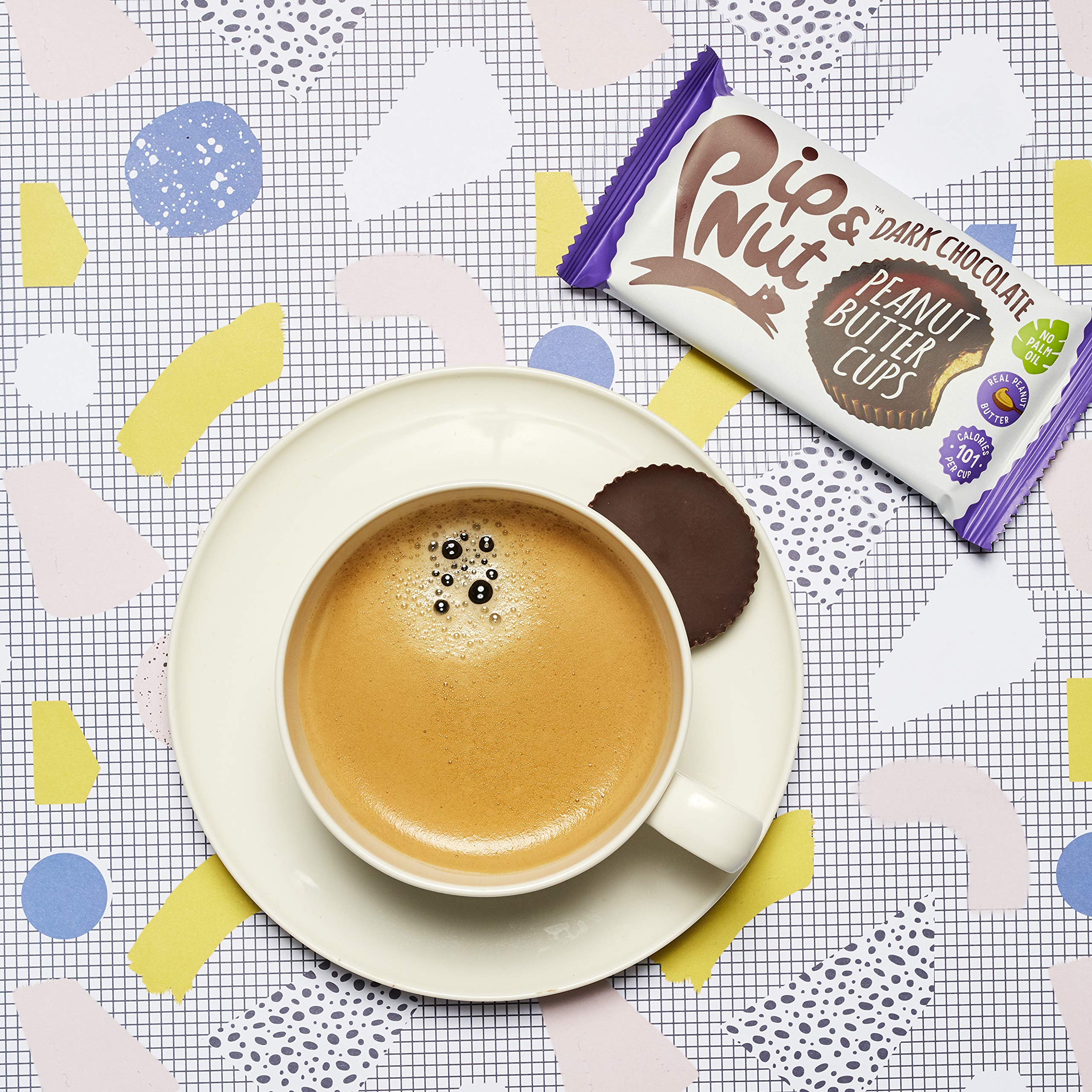
Dark Chocolate Peanut Butter Cups
At a glance
Summary
This product is ultra-processed, which limits its potential score despite containing some beneficial ingredients like cocoa mass and Argentinian peanuts. The presence of refined sugar and sunflower lecithin, a processed emulsifier, detracts from its nutritional profile. While the dark chocolate and peanut butter provide some health benefits, the high level of processing and added sugars result in a moderate score.
Key ingredients 10
Cocoa massGood
Cocoa mass is a primary component of dark chocolate, rich in antioxidants and flavonoids. It supports cardiovascular health and may improve brain function. The high cocoa content indicates a quality chocolate product.
Risks
Excessive consumption may lead to caffeine-related side effects such as insomnia or jitteriness.
Benefits
Rich in antioxidants that can help reduce inflammation and improve heart health. Contains flavonoids that may enhance cognitive function.
Cocoa butterGood
Cocoa butter is a healthy fat derived from cocoa beans, known for its smooth texture and flavor. It contains stearic acid, which may have a neutral effect on cholesterol levels. Its use in chocolate contributes to a creamy texture and rich taste.
Benefits
Provides healthy fats that can support heart health and improve skin elasticity.
Argentinian peanutsGood
Argentinian peanuts are a source of protein and healthy fats. They provide essential nutrients such as magnesium and vitamin E. Their inclusion in peanut butter adds nutritional value and flavor.
Risks
Potential allergen for individuals with peanut allergies.
Benefits
Rich in protein and healthy fats, supporting heart health and providing essential nutrients.
Sea saltGood
Sea salt is a natural source of sodium and trace minerals. It is less processed than table salt and can enhance flavor. Its mineral content may offer slight nutritional benefits over refined salt.
Risks
Excessive sodium intake can lead to high blood pressure and cardiovascular issues.
Benefits
Provides essential minerals and enhances flavor with minimal processing.
Coconut oilGood
Beneficial ingredient — whole-food or functional value in this product class.
Risks
High in saturated fats, which may affect cholesterol levels if consumed in excess.
Benefits
Contains medium-chain triglycerides that may provide quick energy.
Natural vanilla flavouringNeutral
Natural vanilla flavoring is used to enhance the taste of products. It is derived from vanilla beans but may be processed with additives. Its impact on health is minimal when used in small amounts.
Benefits
Adds flavor without significant nutritional impact.
Shea oilNeutral
Shea oil is derived from the nuts of the shea tree and is used for its moisturizing properties. It is less common in food products and primarily used in cosmetics. Its nutritional impact in food is minimal.
Benefits
Provides a source of fats, though its primary benefits are in topical applications.
Agave syrupNeutral
Agave syrup is a sweetener derived from the agave plant, often used as an alternative to sugar. It has a lower glycemic index than sugar but is high in fructose. Its health impact is similar to other sweeteners when consumed in moderation.
Risks
High fructose content may contribute to insulin resistance and liver issues if consumed in excess.
Benefits
Offers a lower glycemic index alternative to sugar, potentially reducing blood sugar spikes.
SugarBad
Refined sugar is a common sweetener that can contribute to various health issues. It is associated with increased risk of obesity, type 2 diabetes, and heart disease. High sugar content can lead to blood sugar spikes and crashes.
Risks
High consumption of refined sugar is linked to obesity, insulin resistance, and increased risk of chronic diseases.
Sunflower lecithinBad
Sunflower lecithin is an emulsifier used to improve texture and shelf life in processed foods. It is a refined product that may contain residues from processing. While generally considered safe, it is not a necessary dietary component.
Risks
May contain processing residues and is unnecessary in a whole-food diet.
Processing
Ultra-Processed Foods
Get the full breakdown in the Scout appTake Scout shopping
Scan any product to see lab results, healthy alternatives, and your personalized analysis.
Are you Pip & Nut? Fix an error Get the badge Get tested