




At a glance
Summary
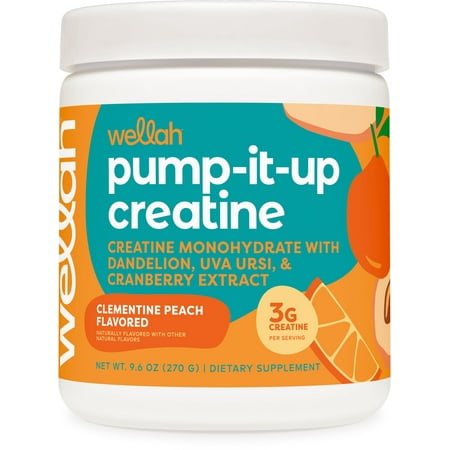
This creatine supplement contains micronised creatine monohydrate, a highly effective and well-researched ingredient for improving strength and muscle recovery. However, the inclusion of sucralose, an artificial sweetener, and unspecified flavoring raises concerns about potential negative health effects and lack of transparency. The product's processing level is high due to the presence of multiple additives, which impacts its overall score.
Key ingredients 5
Micronised Creatine MonohydrateVery Good
Micronised creatine monohydrate is a highly effective supplement for improving strength, power, and muscle recovery. It is the most researched form of creatine and is known for its high absorption rate and efficacy. This ingredient is considered a high-quality active component in sports nutrition.
Benefits
Enhances athletic performance, supports muscle growth, and aids in recovery.
ColouringNeutral
Colouring, specifically beetroot red, is used to enhance the visual appeal of the product. Beetroot red is a natural colorant derived from beets and is generally considered safe. It does not contribute to the nutritional value of the product.
Benefits
Provides natural color without synthetic additives.
Citric AcidNeutral
Citric acid is commonly used as a preservative and to add a sour flavor. It is naturally found in citrus fruits and is generally recognized as safe. It does not significantly impact the nutritional profile of the product.
Benefits
Helps preserve the product and enhance flavor.
FlavouringBad
Flavouring is often a catch-all term that can include a variety of artificial or natural additives. The lack of specificity raises concerns about the potential inclusion of undesirable substances. This ingredient is penalized due to the ambiguity and potential for artificial components.
Risks
May contain artificial additives that could have negative health impacts.
SweetenerBad
The sweeteners sucralose and stevia are used to provide sweetness without calories. Sucralose is an artificial sweetener that may have negative health implications, while stevia is a natural sweetener with a neutral profile. The presence of sucralose is concerning due to potential health effects.
Risks
Sucralose may affect gut health and insulin response.
Benefits
Stevia provides sweetness without calories and is generally considered safe.
Processing
Ultra-Processed Foods
Get the full breakdown in the Scout appTake Scout shopping
Scan any product to see lab results, healthy alternatives, and your personalized analysis.
Download on theApp Store GET IT ONGoogle Play