
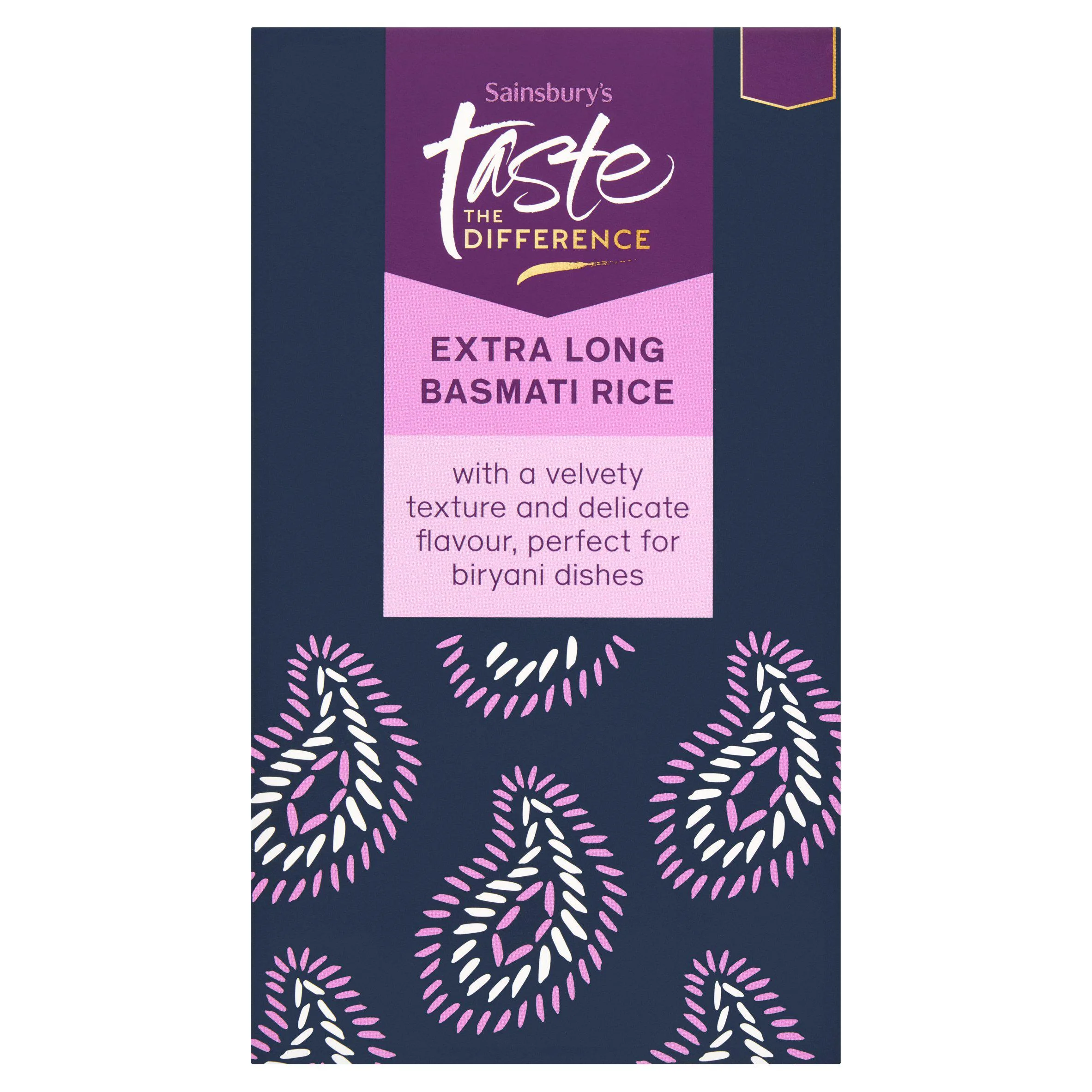


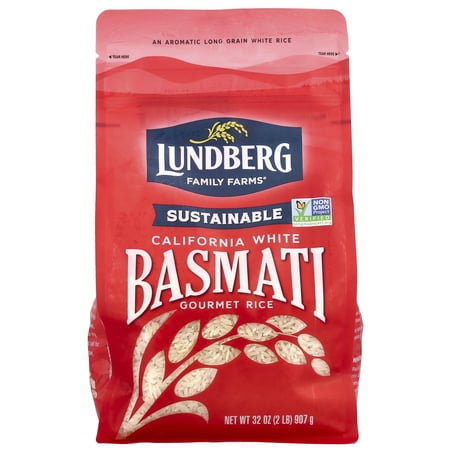
At a glance
Summary
This product contains vegetable oils, specifically sunflower and rapeseed, which are high in omega-6 fatty acids and can contribute to inflammation when consumed in excess. The presence of these oils, along with the processing level, limits the healthiness of the product despite its base of cooked basmati rice. The processing level and inclusion of processed oils prevent it from scoring higher.
Key ingredients 3
Cooked Basmati RiceNeutral
Cooked basmati rice is a staple carbohydrate source with a neutral impact on health. It provides energy primarily through carbohydrates and has a low fat content. The processing involved in cooking does not significantly alter its nutritional profile.
Benefits
Provides a source of energy and is low in fat, making it a suitable base for various meals.
SaltNeutral
Salt is a common seasoning used to enhance flavor, with a neutral impact on health when used in moderation. It is a refined product that provides sodium, an essential mineral for bodily functions. Excessive consumption can lead to health issues such as hypertension.
Risks
Excessive salt intake can lead to high blood pressure and increased risk of cardiovascular diseases.
Benefits
Provides essential sodium necessary for maintaining fluid balance and nerve function.
Vegetable OilVery Bad
Vegetable oil, including sunflower and rapeseed oil, is classified as very bad due to its high omega-6 fatty acid content. These oils are often highly processed and can contribute to inflammation when consumed in excess. The extraction and refining processes can also introduce harmful compounds.
Risks
High omega-6 content may promote inflammation and imbalance in the omega-3 to omega-6 ratio when consumed in excess.
Processing
Processed Foods
Get the full breakdown in the Scout appTake Scout shopping
Scan any product to see lab results, healthy alternatives, and your personalized analysis.
Download on theApp Store GET IT ONGoogle Play