
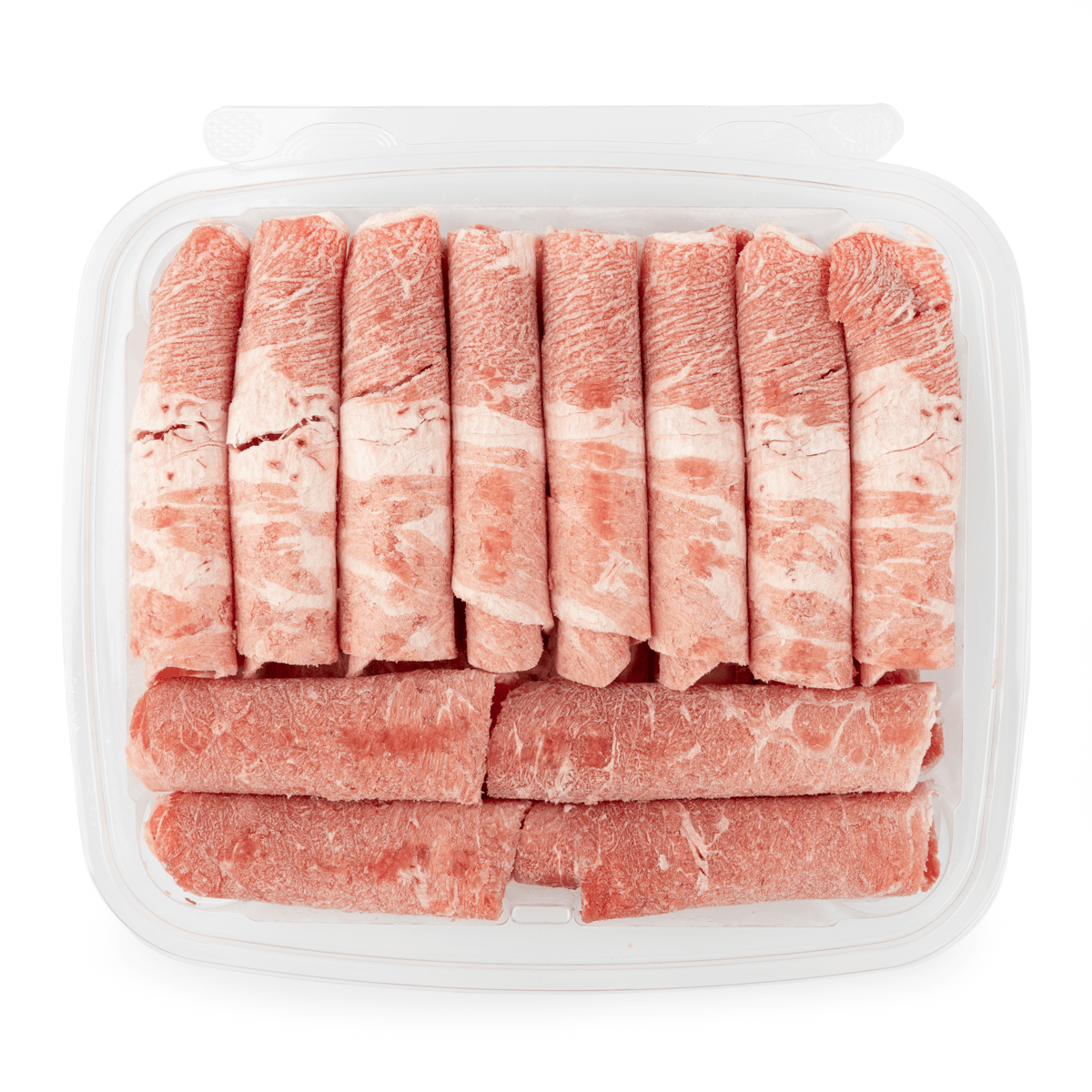



Tesco Finest Salt Beef Brisket Finely Sliced
Analysis updated August 2026 · How Scout scores
At a glance
Summary
This product is a processed meat with a moderate level of processing, which limits its score potential. While it contains high-quality beef, the presence of refined sugars and sodium nitrite, a controversial preservative, detracts from its healthfulness. The use of sea salt is a positive aspect, but the overall ingredient list includes elements that are less desirable for health.
Key ingredients 9
BeefGood
Beef is a high-quality source of complete protein and essential nutrients like iron and B vitamins. The quality of beef can vary, but it generally provides a rich amino acid profile beneficial for muscle maintenance. Grass-fed or organic beef would be preferable for higher nutrient density.
Risks
Potential risks include high saturated fat content, which may affect heart health if consumed in excess.
Benefits
Provides essential amino acids and nutrients like iron and vitamin B12, supporting muscle growth and energy metabolism.
Sea SaltGood
Sea salt is a minimally processed salt that retains trace minerals, which can be beneficial for health. It is often considered a more natural alternative to refined table salt. The presence of trace minerals may offer slight nutritional advantages.
Risks
Excessive consumption can still lead to high sodium intake and associated health risks.
Benefits
Contains trace minerals that may support overall health compared to refined salt.
Black PepperGood
Beneficial ingredient — whole-food or functional value in this product class.
Benefits
May enhance the absorption of certain nutrients and has potential antioxidant properties.
SaltNeutral
Salt is used as a preservative and flavor enhancer in many processed foods. It is a refined form of sodium chloride without additional trace minerals. Excessive consumption can lead to health issues such as hypertension.
Risks
High sodium intake is associated with increased risk of hypertension and cardiovascular diseases.
Benefits
Essential for maintaining fluid balance and nerve function, but should be consumed in moderation.
Pink PeppercornsNeutral
Pink peppercorns are used for their unique flavor and visual appeal in culinary applications. They are not true peppercorns but offer similar culinary uses. Their health impact is generally neutral.
Benefits
Adds flavor and visual appeal to dishes, with no significant nutritional benefits.
Potassium NitrateNeutral
Potassium nitrate is used as a curing agent in meats to preserve color and prevent spoilage. It is less commonly used than sodium nitrite but serves a similar purpose. Its health impact is generally neutral when used within regulatory limits.
Risks
Excessive consumption may lead to health issues, but typical usage levels are considered safe.
Benefits
Helps preserve meat and maintain color, contributing to food safety.
Brown SugarBad
Brown sugar is a refined sugar with minimal nutritional benefits, primarily used for sweetness. It contributes to calorie intake without providing essential nutrients. Excessive consumption can lead to weight gain and metabolic issues.
Risks
High sugar intake is linked to obesity, type 2 diabetes, and dental cavities.
Demerara SugarBad
Demerara sugar is a type of raw sugar with larger crystals and a slight molasses content. It is still a refined sugar with limited nutritional value. Like other sugars, it can contribute to health issues when consumed in excess.
Risks
Excessive sugar intake is associated with increased risk of obesity, type 2 diabetes, and dental issues.
Sodium NitriteBad
Sodium nitrite is used as a preservative and color fixative in processed meats. It can form nitrosamines, which are potential carcinogens, especially when meats are cooked at high temperatures. Its use is controversial due to potential health risks.
Risks
Associated with the formation of nitrosamines, which are linked to an increased risk of cancer.
Benefits
Helps preserve meat and prevent bacterial growth, enhancing food safety.
Processing
Processed Foods
Get the full breakdown in the Scout appTake Scout shopping
Scan any product to see lab results, healthy alternatives, and your personalized analysis.
Download on theApp Store GET IT ONGoogle Play