



At a glance
Summary
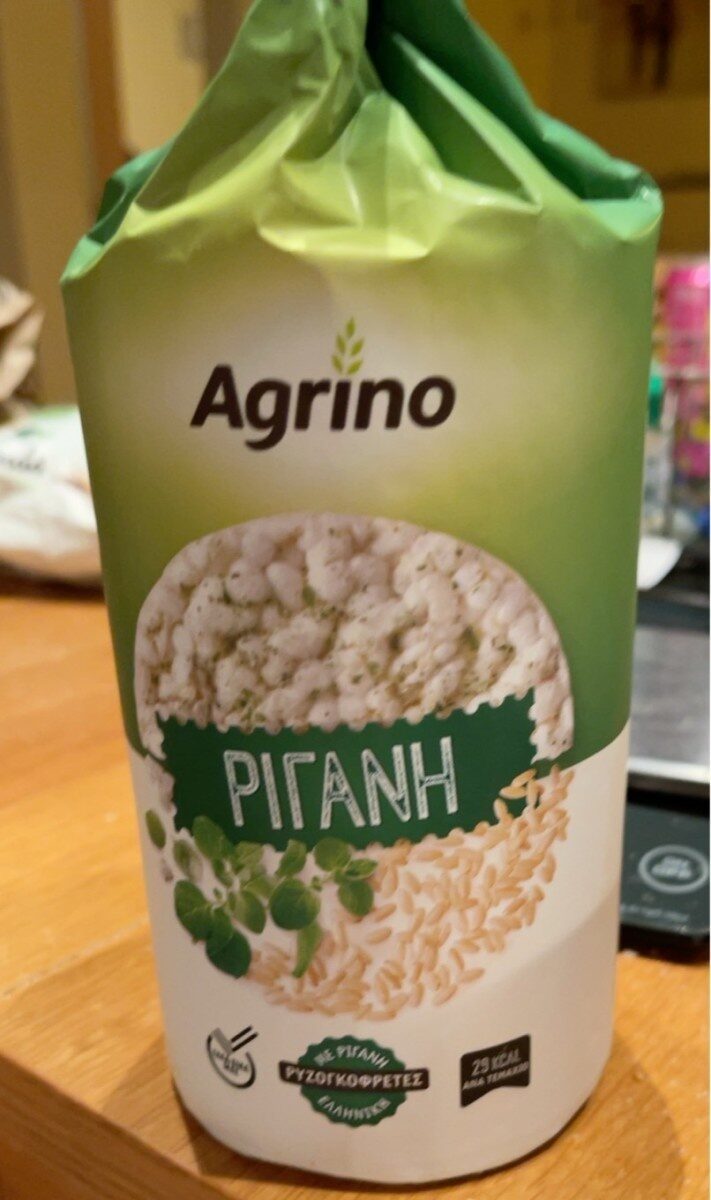
This product is primarily composed of brown rice and a variety of herbs, which are minimally processed and provide essential nutrients and antioxidants. However, the presence of sunflower oil, a seed oil high in omega-6 fatty acids, slightly detracts from its overall health profile. Despite this, the product maintains a high score due to its clean ingredient list and minimal processing level.
Key ingredients 12
Brown riceGood
Brown rice is a whole grain that provides essential nutrients and fiber. It is minimally processed, retaining its bran and germ, which are rich in vitamins and minerals. Compared to white rice, it offers more health benefits due to its higher nutrient content.
Benefits
Rich in fiber, vitamins, and minerals, supporting digestive health and providing sustained energy.
OreganoGood
Oregano is a herb known for its antioxidant and anti-inflammatory properties. It contains compounds like thymol and carvacrol that may support immune health. Fresh or dried, it adds flavor and potential health benefits to dishes.
Benefits
Contains antioxidants that may help reduce oxidative stress and support immune function.
OnionGood
Onions are a nutrient-rich vegetable that provides vitamins, minerals, and antioxidants. They contain quercetin, which has anti-inflammatory effects. Onions are versatile and enhance the flavor profile of many dishes.
Benefits
Rich in antioxidants and may support heart health and immune function.
LeekGood
Leeks are a member of the allium family, offering vitamins A, C, and K, along with fiber. They have a mild flavor and are used in various culinary applications. Leeks may support cardiovascular health due to their antioxidant content.
Benefits
Provides vitamins and antioxidants that may support heart health and digestion.
ParsleyGood
Parsley is a herb rich in vitamins A, C, and K, and antioxidants. It is often used as a garnish or flavor enhancer in dishes. Parsley may support bone health and immune function due to its nutrient content.
Benefits
Rich in vitamins and antioxidants, supporting overall health and wellness.
BasilGood
Basil is a fragrant herb known for its antioxidant and anti-inflammatory properties. It contains essential oils that may support immune health. Basil is commonly used in cooking to enhance flavor and provide health benefits.
Benefits
Contains antioxidants that may help reduce inflammation and support immune function.
MintGood
Mint is a herb with a refreshing flavor and potential digestive benefits. It contains menthol, which may help soothe the digestive tract. Mint is often used in teas and culinary dishes for its flavor and health benefits.
Benefits
May aid digestion and provide a refreshing flavor to dishes.
CeleryGood
Celery is a low-calorie vegetable rich in vitamins, minerals, and antioxidants. It is known for its hydrating properties and potential to support digestive health. Celery is often consumed raw or cooked in various dishes.
Benefits
Provides hydration and essential nutrients, supporting overall health.
SpicesGood
Whole-food seasonings, antioxidant-bearing.
Benefits
May provide antioxidants and enhance the flavor of dishes.
Milk proteinNeutral
Milk protein provides essential amino acids and is a source of high-quality protein. It is beneficial for muscle repair and growth. However, it may cause allergies or intolerances in some individuals.
Risks
May cause allergic reactions or lactose intolerance in sensitive individuals.
Benefits
Provides high-quality protein essential for muscle repair and growth.
Citric acidNeutral
Citric acid is a natural preservative and acidity regulator commonly used in food products. It is generally recognized as safe and helps maintain product freshness. It is naturally found in citrus fruits.
Benefits
Helps preserve freshness and maintain acidity in food products.
Sunflower oilVery Bad
Sunflower oil is a seed oil high in omega-6 fatty acids, which can promote inflammation when consumed in excess. It is often refined, which may reduce its nutritional value. Compared to healthier oils like olive oil, it is less beneficial.
Risks
High omega-6 content may promote inflammation when consumed in excess.
Processing
Unprocessed or Minimally Processed Foods
Get the full breakdown in the Scout appTake Scout shopping
Scan any product to see lab results, healthy alternatives, and your personalized analysis.
Download on theApp Store GET IT ONGoogle Play