



At a glance
Summary
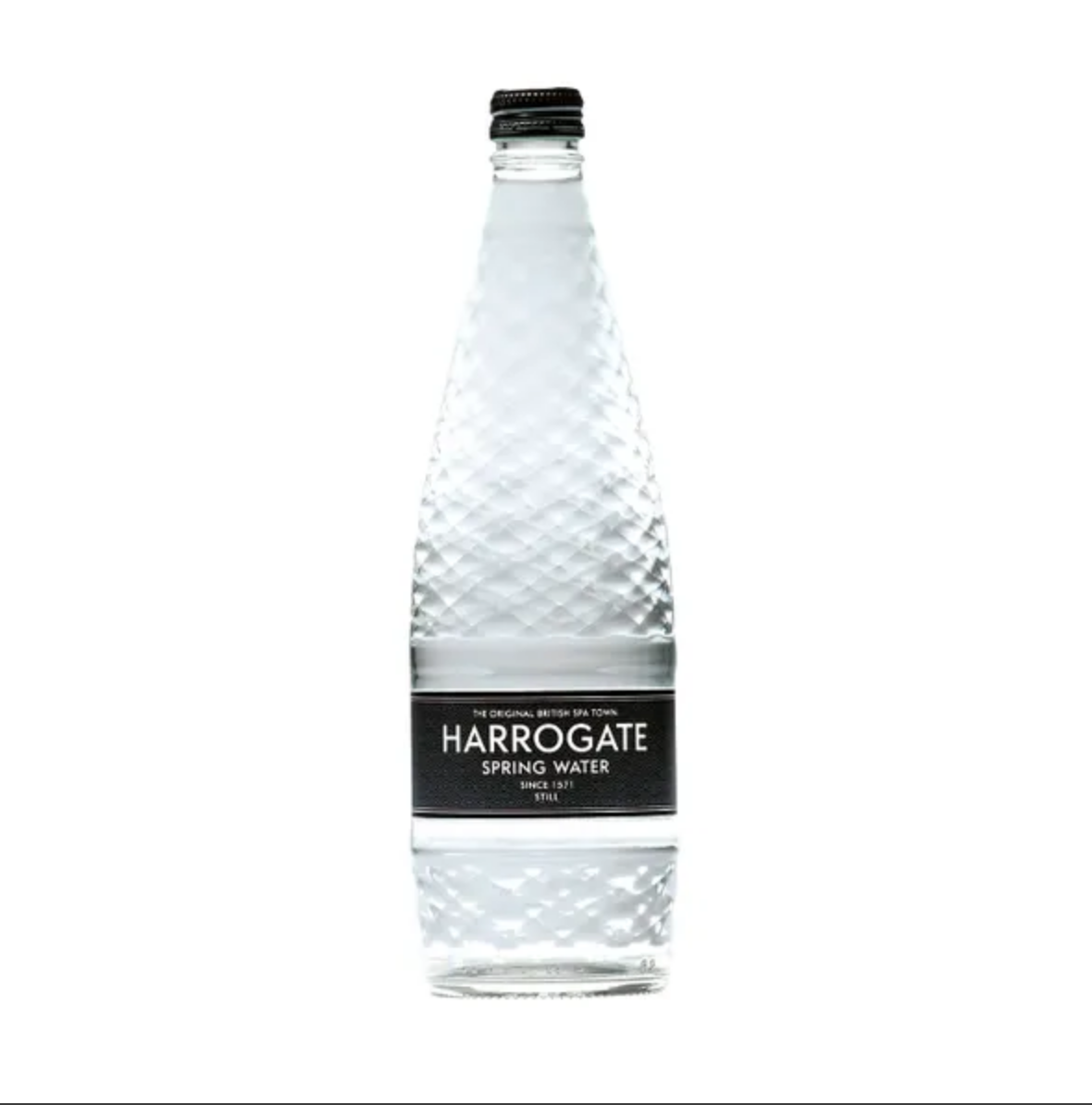
This mineral water is sourced from a high-quality source with beneficial minerals like calcium, magnesium, and potassium, which enhance its nutritional value. The product is minimally processed, ensuring the retention of natural minerals without the addition of artificial ingredients or excessive processing. The packaging and transparency aspects are not mentioned, but the absence of contaminants and the presence of essential minerals contribute positively to its rating.
Key ingredients 8
CalciumGood
Calcium is essential for healthy bones and teeth, and naturally occurring in mineral water, supporting overall health.
See more about Calcium →MagnesiumGood
Magnesium contributes to muscle and nerve function and is naturally present in mineral water, promoting well-being.
See more about Magnesium →PotassiumGood
Potassium helps regulate fluid balance and supports cardiovascular health, naturally found in mineral water.
See more about Potassium →ChlorideGood
Chloride helps maintain proper hydration and acid-base balance, naturally occurring in mineral water.
See more about Chloride →SulfateGood
Beneficial ingredient — whole-food or functional value in this product class.
See more about Sulfate →WaterNeutral
Water is the main component, providing hydration without added substances, and is naturally pure in minimally processed mineral water.
See more about Water →SodiumNeutral
Standard formulation ingredient — neither beneficial nor harmful at typical use.
See more about Sodium →BicarbonateNeutral
Bicarbonate acts as a natural buffer in mineral water, supporting digestion and pH balance without adverse effects.
See more about Bicarbonate →Processing
Unprocessed or Minimally Processed Foods
Get the full breakdown in the Scout appTake Scout shopping
Scan any product to see lab results, healthy alternatives, and your personalized analysis.
Download on theApp Store GET IT ONGoogle Play