
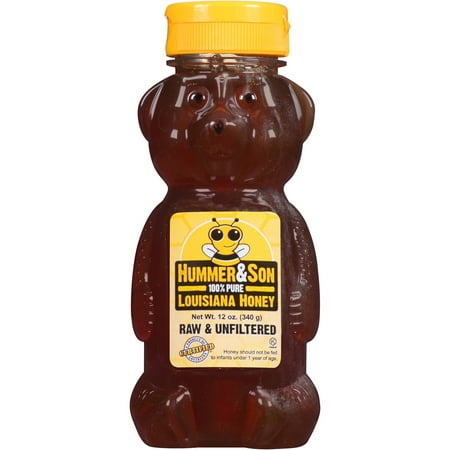


Hummer & Son 100% Pure Louisiana Honey, 12 oz
Analysis updated July 2026 · How Scout scores
At a glance
Summary
This product is primarily composed of honey, a natural sweetener with antioxidant properties and trace minerals like iron, calcium, and magnesium. The minimal processing involved in producing this honey preserves its nutritional benefits, making it a high-quality choice. The presence of natural sugars is typical for honey and does not significantly detract from its overall healthfulness.
Key ingredients 9
HoneyGood
Honey is a natural sweetener with antioxidant properties. It contains trace amounts of vitamins and minerals and has been used traditionally for its potential health benefits. Raw and unprocessed honey is considered superior due to its higher nutrient content.
Risks
Excessive consumption can lead to high sugar intake, which may contribute to weight gain and blood sugar spikes.
Benefits
Contains antioxidants and has antibacterial properties. May soothe sore throats and support immune health.
IronGood
Iron is an essential mineral important for oxygen transport in the blood. It supports energy production and immune function. The bioavailability of iron in honey is generally low but can contribute to daily intake.
Risks
Excessive iron intake can lead to toxicity and organ damage, though this is unlikely from honey alone.
Benefits
Supports red blood cell production and oxygen transport. Essential for energy metabolism and immune health.
CalciumGood
Calcium is a vital mineral for bone health and muscle function. It plays a role in nerve transmission and blood clotting. Honey contains trace amounts, contributing minimally to daily requirements.
Benefits
Supports bone density and strength. Essential for muscle contraction and nerve function.
PotassiumGood
Potassium is an essential mineral that supports heart and muscle function. It helps maintain fluid balance and nerve signals. Honey contains trace amounts, contributing to its nutritional profile.
Benefits
Supports cardiovascular health and muscle function. Helps regulate fluid balance and blood pressure.
MagnesiumGood
Magnesium is crucial for muscle and nerve function, energy production, and bone health. It is present in trace amounts in honey, contributing to its overall mineral content. Adequate magnesium intake supports numerous bodily functions.
Benefits
Supports muscle relaxation, nerve function, and energy production. Essential for bone health and metabolic processes.
PhosphateNeutral
Phosphate is a form of phosphorus, an essential mineral for energy production and bone health. It is naturally present in many foods, including honey. While necessary, excessive intake can disrupt mineral balance.
Risks
High phosphate levels can lead to mineral imbalances and affect bone health.
Benefits
Supports energy production and bone mineralization. Essential for cellular function.
Sodium ChlorideNeutral
Sodium chloride, or table salt, is essential for fluid balance and nerve function. It is present in small amounts in honey, contributing to its mineral content. While necessary, excessive intake can lead to health issues.
Risks
High sodium intake can increase blood pressure and risk of cardiovascular disease.
Benefits
Essential for maintaining fluid balance and nerve transmission.
GlucoseBad
Processed additive flagged under Scout's ingredient doctrine.
Risks
High intake can lead to elevated blood sugar levels and potential metabolic issues.
Benefits
Provides a quick source of energy for bodily functions and physical activity.
FructoseBad
Processed additive flagged under Scout's ingredient doctrine.
Risks
High fructose intake may lead to insulin resistance and increased fat storage.
Benefits
Provides sweetness and energy, and is naturally present in fruits and honey.
Processing
Processed Culinary Ingredients
Get the full breakdown in the Scout appTake Scout shopping
Scan any product to see lab results, healthy alternatives, and your personalized analysis.
Download on theApp Store GET IT ONGoogle PlayAmazon pricing & content
Amazon price as of . Product prices and availability are accurate as of the date/time indicated and are subject to change. Any price and availability information displayed on Amazon.com at the time of purchase will apply to the purchase of this product.
CERTAIN CONTENT THAT APPEARS ON THIS SITE COMES FROM AMAZON. THIS CONTENT IS PROVIDED “AS IS” AND IS SUBJECT TO CHANGE OR REMOVAL AT ANY TIME.