


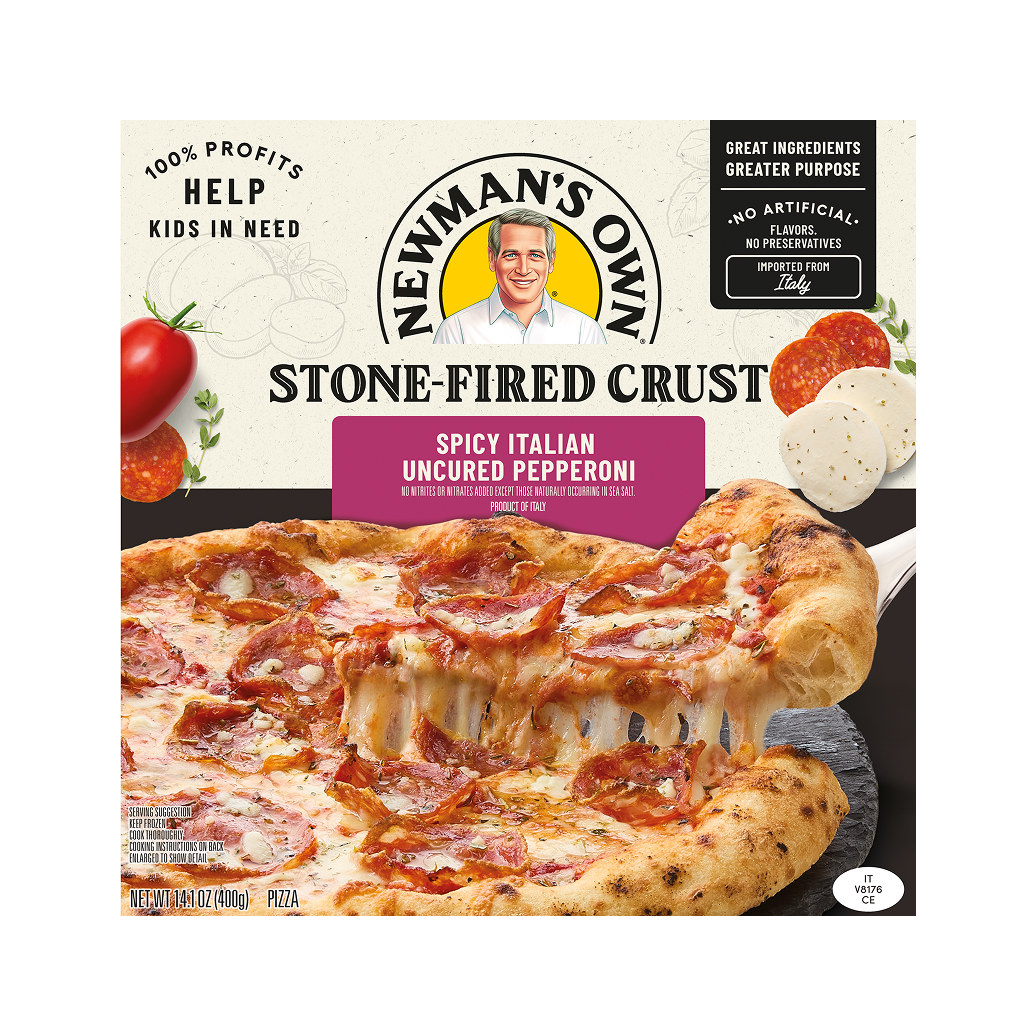


Uncured Pepperoni Cauliflower Crust Pizza
Summary
This pizza features a cauliflower crust, which is a healthier alternative to traditional wheat-based crusts, and includes beneficial ingredients like mozzarella cheese and egg whites. However, it is considered ultra-processed due to the presence of additives such as xanthan gum and modified rice starch, which are used to enhance texture and stability. Additionally, the inclusion of cane sugar adds unnecessary refined sugars, impacting the overall healthiness of the product.
At a glance
Key ingredients 12
CauliflowerGood
Cauliflower is a low-calorie vegetable rich in vitamins and fiber. It is minimally processed and provides a good source of antioxidants. Its inclusion in the crust offers a healthier alternative to traditional wheat-based crusts.
Benefits
Rich in vitamins C and K, and provides dietary fiber which supports digestive health.
Low Moisture Mozzarella CheeseGood
This cheese is a good source of protein and calcium, essential for bone health. It is made from pasteurized milk and contains beneficial cheese cultures. The low moisture content helps in achieving a desirable texture in the crust.
Risks
May contain lactose, which can be a concern for individuals with lactose intolerance.
Benefits
Provides high-quality protein and calcium, supporting muscle and bone health.
Uncured PepperoniNeutral
Uncured pepperoni is made without added nitrates or nitrites, using natural preservatives like celery powder. It provides protein and flavor but is high in sodium. The use of natural preservatives is a healthier choice compared to conventional curing methods.
Risks
High sodium content may contribute to increased blood pressure if consumed in excess.
Benefits
Offers a source of protein and flavor, enhancing the taste profile of the pizza.
Rice FlourNeutral
Rice flour is a gluten-free alternative to wheat flour, used to provide structure to the crust. It is a refined carbohydrate with limited nutritional benefits. Its use is beneficial for those with gluten sensitivities.
Benefits
Provides a gluten-free option for individuals with celiac disease or gluten intolerance.
Tapioca StarchNeutral
Tapioca starch is used as a thickening agent and to improve the texture of gluten-free products. It is derived from the cassava root and is highly processed. While it provides no significant nutrients, it is essential for achieving the desired consistency in gluten-free baking.
Benefits
Helps improve the texture and consistency of gluten-free products.
Egg WhitesGood
Egg whites are a high-quality protein source, low in calories and fat. They are used to bind ingredients in the crust, providing structure and moisture. The use of egg whites enhances the protein content of the product.
Risks
Potential allergen for individuals with egg allergies.
Benefits
Rich in protein, supporting muscle maintenance and repair.
Xanthan GumNeutral
Xanthan gum is a common food additive used as a thickener and stabilizer. It is produced through fermentation and is generally recognized as safe. While it has no nutritional benefits, it is essential for improving the texture of gluten-free products.
Risks
May cause digestive issues in sensitive individuals when consumed in large amounts.
Benefits
Improves texture and stability in gluten-free baking.
Citric AcidNeutral
Citric acid is a natural preservative and flavor enhancer. It is widely used in food processing to maintain freshness and enhance flavor. While it is generally safe, it is highly processed.
Benefits
Helps preserve freshness and enhance flavor in processed foods.
Lactic AcidNeutral
Lactic acid is used as a preservative and acidity regulator in food products. It is produced through fermentation and is considered safe for consumption. It helps maintain the pH balance and extends shelf life.
Benefits
Acts as a preservative and acidity regulator, extending shelf life.
Sea SaltGood
Unrefined sea salt — a minimally processed, natural source of sodium and essential trace minerals, and a legitimate whole-food seasoning. Treated as a positive ingredient.
Risks
High sodium intake can contribute to hypertension and cardiovascular issues.
Benefits
Enhances flavor and provides trace minerals.
Cane SugarBad
Cane sugar is a refined sugar used to enhance sweetness. It is high in calories and offers no nutritional benefits. Excessive consumption can lead to health issues such as obesity and diabetes.
Risks
High sugar intake is linked to obesity, diabetes, and other metabolic disorders.
Modified Rice StarchBad
Modified rice starch is a processed carbohydrate used as a thickener and stabilizer. It is highly processed and offers no nutritional benefits. Its use is common in processed foods to improve texture.
Processing
Ultra-Processed Foods
Get the full breakdown in the Scout app
Scan any product to see lab results, healthy alternatives, and your personalized analysis.
Download on theApp Store