


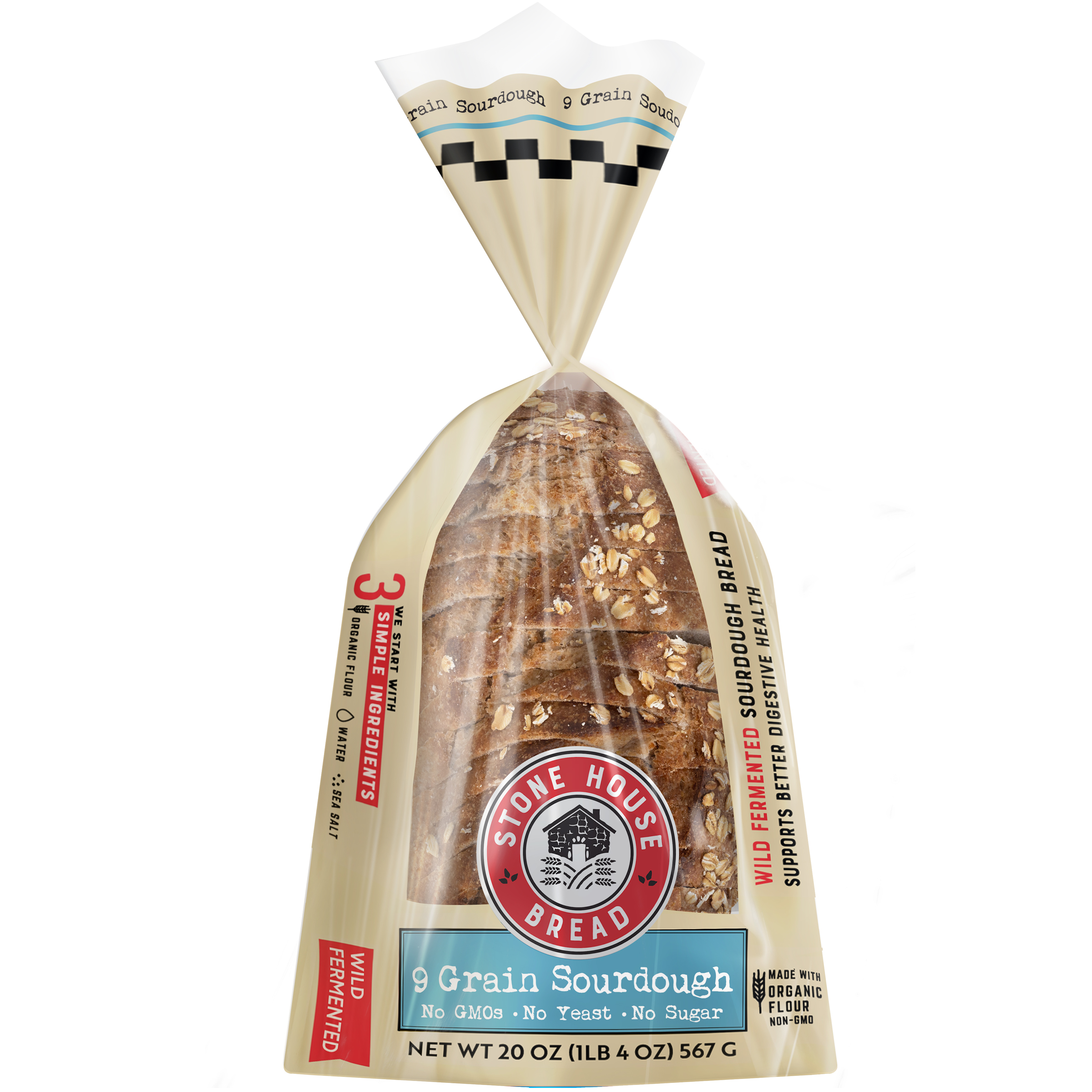

At a glance
Summary
This seeded sourdough bread features a variety of whole grains and seeds, such as whole wheat flour, flax seeds, and sprouted quinoa, which enhance its nutritional profile with fiber, healthy fats, and essential nutrients. The absence of harmful additives and the use of minimally processed ingredients contribute positively to its healthiness. However, as a processed food, its score is capped, reflecting its level of processing despite the clean ingredient list.
Key ingredients 9
Flax SeedVery Good
Flax seeds are rich in omega-3 fatty acids, lignans, and fiber, offering numerous health benefits. They support heart health, reduce inflammation, and improve digestive health. Their inclusion in bread boosts its nutritional value significantly.
Benefits
Rich in omega-3 fatty acids and fiber, promoting heart health and aiding digestion.
Sprouted QuinoaVery Good
Sprouted quinoa is a nutrient-dense seed that is high in protein, fiber, and essential amino acids. Sprouting enhances its nutritional profile and digestibility. Its inclusion in bread boosts protein content and provides a complete amino acid profile.
Benefits
Rich in protein and essential amino acids, supporting muscle health and providing complete nutrition.
Whole Wheat FlourGood
Whole wheat flour retains the bran and germ, providing more fiber and nutrients than refined flour. It supports digestive health and offers a more gradual release of energy. Its use in bread enhances nutritional value compared to refined flour.
Risks
Contains gluten, which can be problematic for individuals with celiac disease or gluten intolerance.
Benefits
Rich in dietary fiber, vitamins, and minerals, supporting overall health and digestion.
Cracked WheatGood
Cracked wheat is a whole grain that provides additional texture and nutrition to bread. It is high in fiber, which aids in digestion and helps maintain stable blood sugar levels. Its inclusion enhances the bread's nutritional profile.
Risks
Contains gluten, which may be a concern for those with gluten-related disorders.
Benefits
High in dietary fiber and nutrients, supporting digestive health and providing sustained energy.
Sunflower SeedsGood
Sunflower seeds are a good source of healthy fats, protein, and essential nutrients like vitamin E. They contribute to heart health and provide antioxidant benefits. Their presence in bread adds nutritional value and texture.
Benefits
Provides healthy fats, protein, and antioxidants, supporting heart health and overall nutrition.
Rolled OatsGood
Rolled oats are a whole grain rich in fiber, particularly beta-glucan, which supports heart health and digestion. They provide a slow release of energy and enhance the nutritional profile of bread. Their inclusion adds texture and nutritional benefits.
Benefits
High in fiber and nutrients, supporting heart health and providing sustained energy.
Sea SaltGood
Sea salt is a natural source of sodium and trace minerals, used to enhance flavor in bread. It is less processed than table salt and retains beneficial minerals. Its use in moderation can contribute to a balanced diet.
Risks
Excessive consumption can lead to high blood pressure and other health issues.
Benefits
Provides essential sodium and trace minerals, enhancing flavor and supporting bodily functions.
WaterNeutral
Water is a fundamental ingredient in bread-making, hydrating the flour and activating yeast. It is essential for dough formation but does not contribute nutritional value. Its role is primarily functional in the baking process.
Benefits
Essential for dough formation and yeast activation, but does not provide nutritional benefits.
Wheat FlourBad
Refined grain flour stripped of bran and germ.
Risks
May contribute to blood sugar spikes and is a common allergen for those with gluten sensitivity.
Benefits
Provides essential carbohydrates for energy but lacks significant nutritional benefits compared to whole grains.
Processing
Processed Foods
Get the full breakdown in the Scout appTake Scout shopping
Scan any product to see lab results, healthy alternatives, and your personalized analysis.
Download on theApp Store GET IT ONGoogle Play