


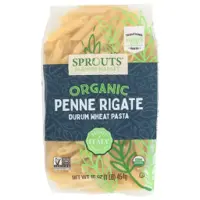
At a glance
Summary
This bread features a clean ingredient list with beneficial components like whole wheat flour, garlic, and sourdough culture, which enhance its nutritional profile and digestibility. The absence of harmful additives and the use of minimally processed ingredients contribute positively to its healthiness. However, as a processed food, its score is capped, reflecting its level of processing.
Key ingredients 8
GarlicGood
Garlic is known for its potential health benefits, including anti-inflammatory and antimicrobial properties. It contains compounds like allicin, which may support heart health. Its inclusion adds flavor and potential health benefits to the bread.
Benefits
May support heart health and has antimicrobial properties.
Whole Wheat FloursGood
Whole wheat flour retains the bran and germ, providing more fiber and nutrients than refined flour. It supports digestive health and offers a more gradual release of energy. Its inclusion enhances the nutritional profile of the bread.
Risks
May cause digestive discomfort in individuals sensitive to high fiber.
Benefits
Rich in fiber and nutrients, supporting digestive health and providing sustained energy.
Sea SaltGood
Sea salt is a minimally processed source of sodium and trace minerals. It enhances flavor without the additives found in refined table salt. Its natural mineral content can contribute to electrolyte balance.
Risks
Excessive consumption can lead to high blood pressure and other health issues.
Benefits
Provides essential minerals and enhances flavor naturally.
Sourdough CultureGood
Sourdough culture is a natural leavening agent that can improve digestibility and nutrient absorption. It involves fermentation, which can enhance the flavor and texture of bread. The fermentation process may also reduce gluten content, making it easier to digest for some individuals.
Benefits
Improves digestibility and enhances flavor through natural fermentation.
WaterNeutral
Water is a fundamental ingredient in bread, necessary for hydration and dough formation. It is a neutral ingredient with no direct nutritional impact. Its primary role is to activate yeast and bind ingredients.
Benefits
Essential for dough formation and yeast activation.
YeastNeutral
Yeast is a leavening agent that helps bread rise by producing carbon dioxide. It is a neutral ingredient with no significant nutritional impact. Its primary function is to contribute to the texture and volume of the bread.
Benefits
Essential for leavening and texture in bread.
Malted Barley FlourNeutral
Malted barley flour is used to enhance flavor and improve the browning of baked goods. It contains enzymes that can break down starches into sugars, aiding fermentation. While it adds flavor, it is used in small amounts and has minimal nutritional impact.
Benefits
Enhances flavor and aids in fermentation and browning.
Wheat FlourBad
Refined grain flour stripped of bran and germ.
Risks
May contribute to blood sugar spikes and lacks fiber compared to whole grains.
Benefits
Provides essential structure and texture to baked goods.
Processing
Processed Foods
Get the full breakdown in the Scout appTake Scout shopping
Scan any product to see lab results, healthy alternatives, and your personalized analysis.
Download on theApp Store GET IT ONGoogle Play