
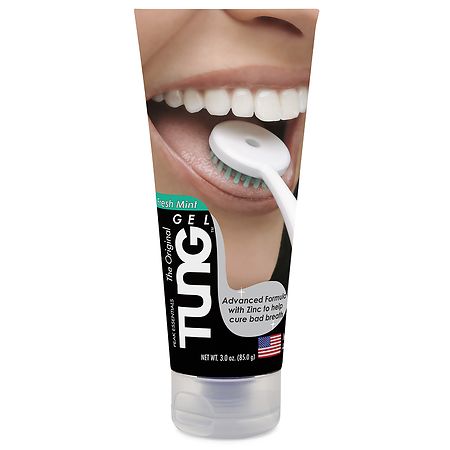

Tung Gel with Zinc Fresh Mint 3.00 oz.
Summary
This oral care product is ultra-processed and contains artificial sweeteners like sodium saccharin, which has been controversial despite being deemed safe by regulatory agencies. The presence of unspecified 'flavor' also raises concerns due to its lack of transparency. However, it includes beneficial ingredients such as xylitol and zinc compounds, which support oral health by reducing plaque and improving breath freshness.
At a glance
Key ingredients 14
SorbitolNeutral
Sorbitol is a sugar alcohol used as a sweetener and humectant. It is less caloric than sugar and does not cause a significant spike in blood glucose levels. However, excessive consumption can lead to digestive discomfort.
Risks
May cause digestive issues such as bloating and diarrhea when consumed in large amounts.
Benefits
Provides sweetness with fewer calories than sugar and has a lower glycemic index.
WaterNeutral
Water is a universal solvent and is used to dissolve other ingredients. It is essential for hydration and does not contribute calories. In this product, it acts as a base and carrier for other ingredients.
Benefits
Essential for hydration and acts as a solvent for other ingredients.
GlycerinNeutral
Glycerin is a humectant that helps retain moisture in products. It is derived from plant oils and is generally recognized as safe. It can improve the texture and stability of the product.
Benefits
Helps maintain moisture and improves product texture.
Hydrated SilicaNeutral
Hydrated silica is used as an abrasive agent in oral care products. It helps in cleaning and polishing teeth. It is considered safe for use in dental products.
Benefits
Aids in cleaning and polishing teeth.
PEG-12Neutral
PEG-12 is a polyethylene glycol used as an emulsifier and solvent. It helps in mixing ingredients and stabilizing the product. It is generally considered safe for topical use.
Risks
May cause skin irritation in sensitive individuals.
Benefits
Improves product stability and consistency.
Cocamidopropyl BetaineNeutral
Cocamidopropyl betaine is a surfactant derived from coconut oil. It helps in foaming and cleansing. It is widely used in personal care products for its mildness.
Risks
May cause skin irritation or allergic reactions in some individuals.
Benefits
Provides mild cleansing and foaming properties.
XylitolGood
Xylitol is a sugar alcohol that provides sweetness without raising blood sugar levels. It has dental benefits, as it can reduce the risk of cavities. It is often used in sugar-free products.
Risks
Excessive consumption may cause digestive discomfort.
Benefits
Helps reduce the risk of cavities and provides sweetness with a low glycemic impact.
Zinc ChlorideGood
Zinc chloride is used for its antimicrobial properties in oral care products. It can help reduce plaque and improve oral hygiene. It is an effective ingredient for maintaining oral health.
Benefits
Provides antimicrobial benefits and supports oral hygiene.
FlavorBad
Flavor is a catch-all term that can include a variety of artificial or natural compounds. It lacks transparency, making it difficult to assess its health impact. The use of unspecified flavors can be concerning for those with allergies or sensitivities.
Risks
Potential allergen risk and lack of transparency in ingredient sourcing.
Cellulose GumNeutral
Cellulose gum is a thickening agent derived from plant fibers. It is used to stabilize and thicken products. It is generally recognized as safe and does not contribute calories.
Benefits
Helps stabilize and thicken products without adding calories.
Sodium SaccharinBad
Sodium saccharin is an artificial sweetener used to provide sweetness without calories. It has been controversial due to past studies linking it to cancer in lab animals. Although deemed safe by regulatory agencies, some consumers prefer to avoid it.
Risks
Potential concerns about long-term health effects and consumer preference for natural alternatives.
Benefits
Provides sweetness without adding calories.
Zinc LactateGood
Zinc lactate is used for its antimicrobial properties and ability to support oral health. It can help reduce plaque and improve breath freshness. It is a beneficial ingredient in oral care products.
Benefits
Supports oral health by reducing plaque and improving breath freshness.
Sodium BenzoateNeutral
Sodium benzoate is a preservative used to prevent microbial growth. It is effective in extending the shelf life of products. While generally recognized as safe, it can form benzene, a carcinogen, under certain conditions.
Risks
Potential formation of benzene when combined with ascorbic acid under heat and light.
Benefits
Extends shelf life by preventing microbial growth.
SteviaNeutral
Stevia is a natural sweetener derived from the leaves of the Stevia plant. It provides sweetness without calories and has no significant health concerns. It is a popular alternative to artificial sweeteners.
Benefits
Provides sweetness without calories and is a natural alternative to artificial sweeteners.
Processing
Ultra-Processed Foods
Get the full breakdown in the Scout app
Scan any product to see lab results, healthy alternatives, and your personalized analysis.
Download on theApp Store