


At a glance
Summary
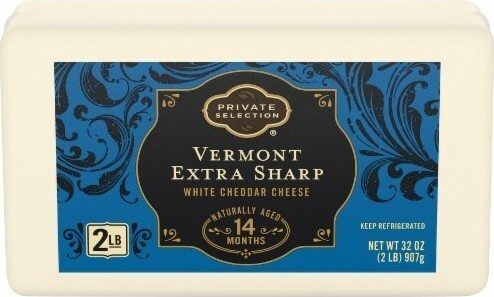
This cheddar cheese is made from milk, cream, salt, bacterial cultures, and a few additives like calcium chloride and annatto for color. While it is processed, the ingredient list is relatively clean, with no artificial flavors or preservatives. The presence of calcium chloride, a processed additive, slightly detracts from its natural profile, but overall, it maintains a good balance of traditional cheese-making elements.
Key ingredients 7
MilkGood
Milk is a primary source of calcium and protein, essential for bone health and muscle maintenance. It is a whole food ingredient with minimal processing, retaining its natural nutrients. Compared to plant-based alternatives, it provides a complete amino acid profile.
Risks
Potential risks include lactose intolerance or milk allergies in some individuals.
Benefits
Rich in calcium and protein, supporting bone health and muscle function. Provides essential vitamins and minerals such as vitamin D and B12.
CreamGood
Traditional whole-fat dairy ingredient.
Risks
High in saturated fats, which may contribute to cardiovascular issues if consumed in excess.
Benefits
Enhances flavor and texture, providing a source of energy and fat-soluble vitamins.
Bacterial cultureGood
Bacterial cultures are essential for cheese fermentation, contributing to flavor and texture development. They are natural and minimally processed, supporting gut health through probiotic activity. Compared to synthetic additives, they offer a natural means of fermentation.
Benefits
Supports gut health and enhances flavor through natural fermentation processes.
Ultrafiltered milkNeutral
Ultrafiltered milk is processed to concentrate protein and reduce lactose content. This process can enhance nutritional value for those seeking higher protein intake. However, it is more processed than regular milk, which may concern some consumers.
Benefits
Higher protein content and reduced lactose can be beneficial for those with lactose sensitivity or increased protein needs.
SaltNeutral
Salt is used for flavor enhancement and preservation in cheese. It is a common ingredient in cheese production, providing necessary sodium. While essential, excessive sodium intake can lead to health issues.
Risks
Excessive consumption can lead to high blood pressure and cardiovascular problems.
Benefits
Essential for flavor and preservation, contributing to the overall taste profile of cheese.
AnnattoNeutral
Annatto is a natural colorant derived from seeds, used to impart a yellow-orange hue to cheese. It is minimally processed and considered safe for consumption. Unlike artificial dyes, it is a natural alternative with fewer health concerns.
Risks
Rare allergic reactions may occur in sensitive individuals.
Benefits
Provides natural coloring without the use of synthetic dyes.
Calcium chlorideNeutral
Standard formulation ingredient — neither beneficial nor harmful at typical use.
Risks
Excessive consumption can lead to gastrointestinal discomfort.
Benefits
Improves cheese texture and aids in the coagulation process during cheese making.
Processing
Processed Foods
Get the full breakdown in the Scout appTake Scout shopping
Scan any product to see lab results, healthy alternatives, and your personalized analysis.
Download on theApp Store GET IT ONGoogle Play