


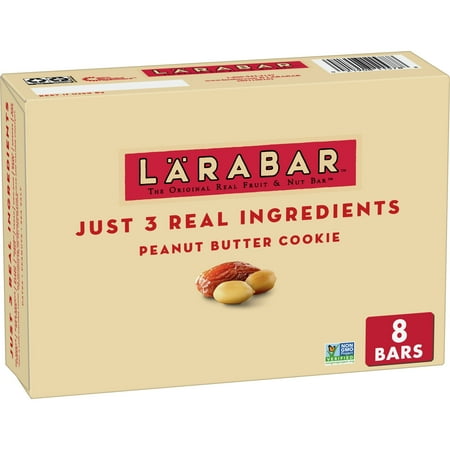

GluteNull Quinoa Coconut Cookies - Non-GMO, Vegan, Gluten Free
Analysis updated October 2026 · How Scout scores
At a glance
Summary
This product features a clean ingredient list with organic quinoa flour, coconut oil, and walnuts, which are nutrient-dense and minimally processed. The use of coconut sugar and agave syrup as sweeteners is a healthier alternative to refined sugars, though they still contribute to the overall sugar content. Despite being processed, the absence of harmful additives and the inclusion of whole-food ingredients support a higher score within its category.
Key ingredients 11
WalnutsVery Good
Walnuts are rich in omega-3 fatty acids, antioxidants, and essential nutrients. They support heart health and have anti-inflammatory properties. The nuts are minimally processed, retaining their natural benefits.
Risks
Potential allergen for individuals with nut allergies.
Benefits
Promotes heart health and provides essential fatty acids and antioxidants.
Organic quinoa flourGood
Organic quinoa flour is a nutrient-dense alternative to traditional wheat flour. It is rich in protein, fiber, and essential amino acids. The organic certification ensures it is free from synthetic pesticides and GMOs.
Benefits
Provides a good source of plant-based protein and essential nutrients, supporting overall health and wellness.
Coconut oilGood
Coconut oil is a source of medium-chain triglycerides (MCTs), which are easily metabolized for energy. It is known for its potential anti-inflammatory and antimicrobial properties. The oil is minimally processed, retaining its natural benefits.
Risks
Excessive consumption may lead to increased saturated fat intake, which could affect heart health.
Benefits
Supports energy metabolism and may have beneficial effects on cholesterol levels when consumed in moderation.
Shredded coconutGood
Shredded coconut provides dietary fiber and healthy fats. It is minimally processed, retaining its natural nutrients. The fiber content aids in digestion and promotes satiety.
Benefits
Offers dietary fiber and healthy fats, contributing to digestive health and sustained energy.
Brown rice flourGood
Beneficial ingredient — whole-food or functional value in this product class.
Benefits
Offers a gluten-free option for baking, suitable for those with gluten sensitivities.
Sorghum flourGood
Sorghum flour is a gluten-free whole grain flour rich in fiber and antioxidants. It supports digestive health and provides essential nutrients. The flour is minimally processed, preserving its nutritional value.
Benefits
Contributes to digestive health and provides antioxidants that may reduce oxidative stress.
VanillaGood
Beneficial ingredient — whole-food or functional value in this product class.
Benefits
Enhances flavor without adding significant nutritional value.
Organic coconut sugarNeutral
Organic coconut sugar is a natural sweetener with a lower glycemic index than refined sugar. It retains some nutrients from the coconut palm. However, it is still a form of sugar and should be consumed in moderation.
Risks
Excessive consumption may contribute to increased blood sugar levels.
Benefits
Provides a natural alternative to refined sugar with a lower glycemic impact.
Organic agave syrupNeutral
Organic agave syrup is a natural sweetener derived from the agave plant. It has a lower glycemic index compared to refined sugars. However, it is high in fructose, which can affect liver health if consumed in excess.
Risks
High fructose content may impact liver health and insulin sensitivity if consumed in large amounts.
Benefits
Offers a natural sweetening option with a lower glycemic index than refined sugars.
WaterNeutral
Water is used as a basic ingredient in many recipes and has no nutritional value. It serves as a solvent and helps in mixing ingredients. It is essential for hydration but does not contribute to the nutritional profile of the product.
Benefits
Essential for hydration but does not provide nutritional benefits in this context.
Baking sodaNeutral
Baking soda is a leavening agent that helps baked goods rise. It is chemically processed but used in small amounts. It does not contribute to the nutritional profile of the product.
Risks
Excessive consumption can lead to alkalosis, but this is unlikely in typical culinary use.
Benefits
Facilitates the rising of baked goods, improving texture and volume.
Processing
Processed Foods
Get the full breakdown in the Scout appTake Scout shopping
Scan any product to see lab results, healthy alternatives, and your personalized analysis.
Download on theApp Store GET IT ONGoogle PlayAmazon pricing & content
Amazon price as of . Product prices and availability are accurate as of the date/time indicated and are subject to change. Any price and availability information displayed on Amazon.com at the time of purchase will apply to the purchase of this product.
CERTAIN CONTENT THAT APPEARS ON THIS SITE COMES FROM AMAZON. THIS CONTENT IS PROVIDED “AS IS” AND IS SUBJECT TO CHANGE OR REMOVAL AT ANY TIME.