


At a glance
Summary
This product features a mix of minimally processed ingredients, including carrots, olive oil, and butter, which are nutrient-dense and provide essential vitamins and healthy fats. The use of natural sweeteners like honey and spices such as za'atar enhances flavor without relying on artificial additives. The processing level is moderate, but the overall ingredient quality and absence of harmful additives contribute positively to its healthiness.
Key ingredients 10
CarrotsVery Good
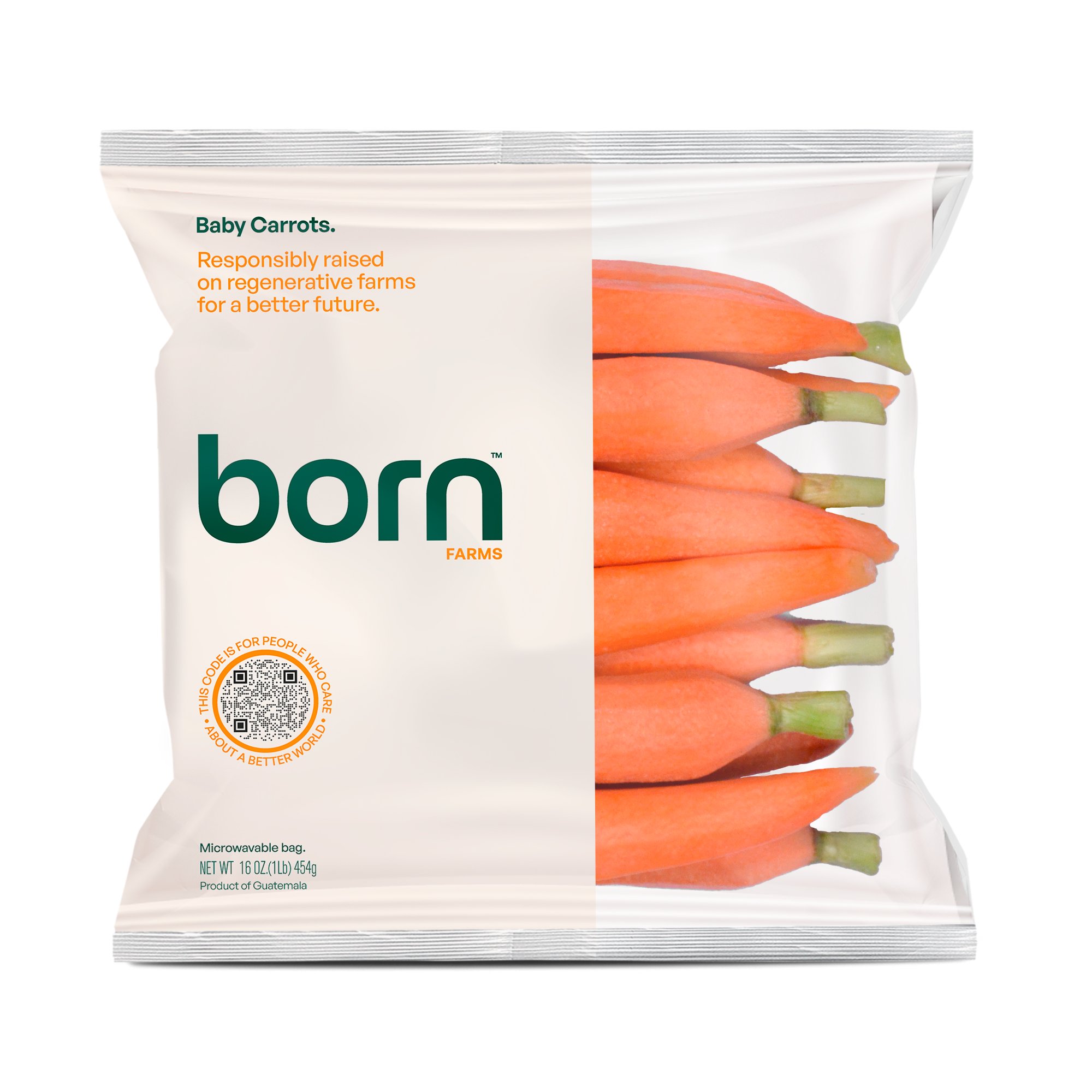
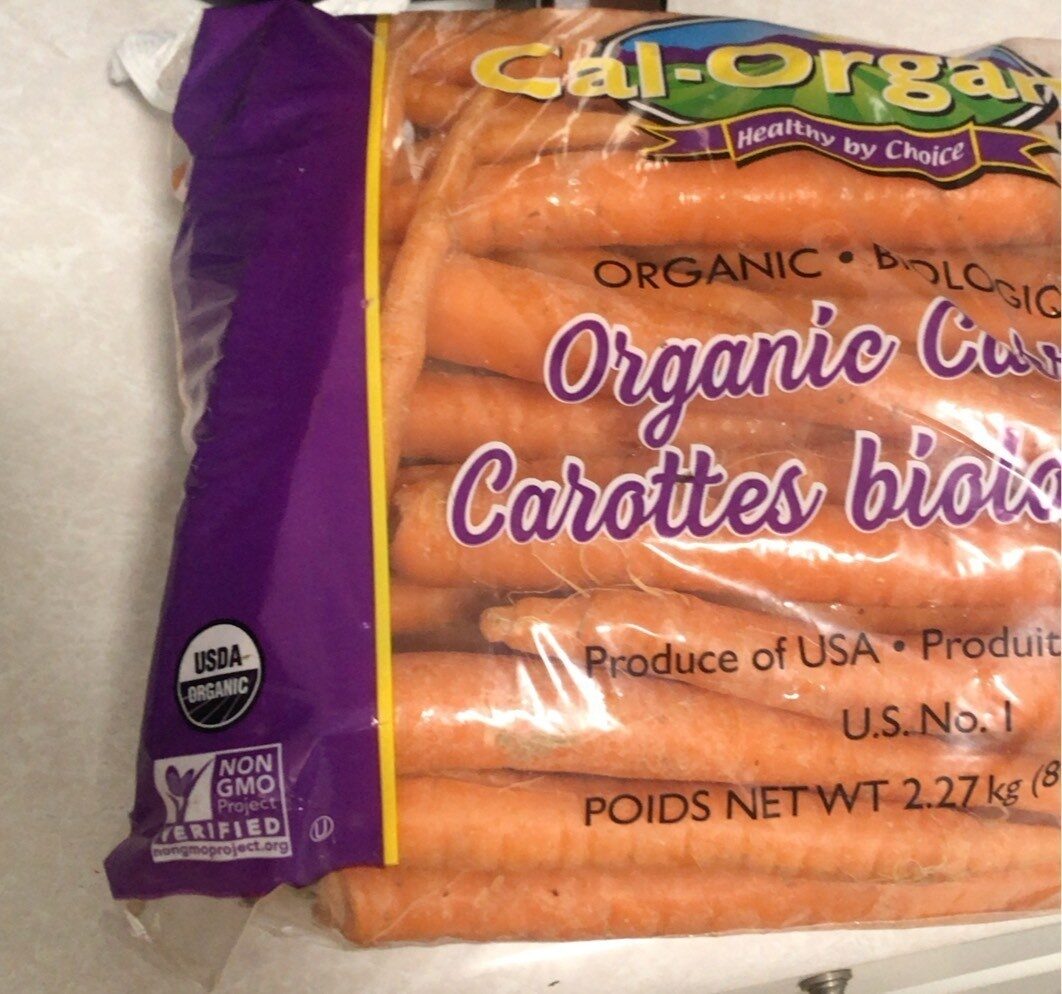
Carrots are a nutrient-dense vegetable rich in beta-carotene, fiber, and antioxidants. They support eye health and provide essential vitamins like A, K, and C. Being a whole food, they are minimally processed and retain their natural benefits.
Benefits
Rich in beta-carotene which is converted to vitamin A, supporting vision and immune function. High in fiber, promoting digestive health.
Olive oilVery Good
Olive oil is a high-quality monounsaturated fat with anti-inflammatory properties. It contains antioxidants that support heart health. Cold-pressed extraction preserves beneficial compounds.
Benefits
Rich in monounsaturated fats that support heart health and provide anti-inflammatory properties. Contains antioxidants like vitamin E and polyphenols that may reduce oxidative stress.
ButterGood
Butter is a source of saturated fats and fat-soluble vitamins like A, D, E, and K. When sourced from grass-fed cows, it contains higher levels of omega-3 fatty acids and CLA. It is a natural fat with minimal processing.
Risks
Excessive consumption may contribute to increased cholesterol levels.
Benefits
Provides fat-soluble vitamins and beneficial fatty acids when sourced from grass-fed cows.
HoneyGood
Honey is a natural sweetener with antioxidant and antimicrobial properties. It contains trace amounts of vitamins and minerals. Unlike refined sugars, it has a lower glycemic index and provides some health benefits.
Risks
High sugar content can contribute to weight gain and blood sugar spikes if consumed in excess.
Benefits
Contains antioxidants and has antimicrobial properties. Provides a natural source of energy.
Orange juiceGood
Orange juice is a source of vitamin C and other antioxidants. It provides a refreshing flavor and some essential nutrients. Freshly squeezed juice retains more nutrients compared to processed versions.
Risks
High in natural sugars, which can contribute to calorie intake and blood sugar spikes.
Benefits
Rich in vitamin C, supporting immune function and skin health. Contains antioxidants that may reduce inflammation.
PepperGood
Pepper is a spice that adds flavor and has antioxidant properties. It contains piperine, which may enhance nutrient absorption. It is a natural ingredient with minimal processing.
Benefits
Contains antioxidants and may enhance nutrient absorption. Adds flavor without calories.
Za'atarGood
Za'atar is a spice blend that includes herbs like thyme and sesame seeds, offering antioxidant and anti-inflammatory benefits. It enhances flavor and provides some essential nutrients. It is a traditional seasoning with cultural significance.
Benefits
Rich in antioxidants and adds flavor and aroma to dishes. Contains beneficial herbs and seeds.
SaltNeutral
Salt is a common seasoning used to enhance flavor. It is essential for maintaining fluid balance and nerve function. However, excessive intake can lead to health issues.
Risks
High sodium intake can contribute to hypertension and cardiovascular disease.
Benefits
Essential for maintaining fluid balance and nerve function.
WaterNeutral
Water is essential for hydration and is a key component in many recipes. It has no calories or nutrients but is vital for bodily functions. It is a neutral ingredient with no health risks.
Benefits
Essential for hydration and supports all bodily functions.
Brown sugarBad
Processed additive flagged under Scout's ingredient doctrine.
Risks
High sugar content can contribute to weight gain and blood sugar spikes if consumed in excess.
Benefits
Provides a source of quick energy but has no significant nutritional benefits over white sugar.
Processing
Processed Culinary Ingredients
Get the full breakdown in the Scout appTake Scout shopping
Scan any product to see lab results, healthy alternatives, and your personalized analysis.
Download on theApp Store GET IT ONGoogle PlayAmazon pricing & content
Amazon price as of . Product prices and availability are accurate as of the date/time indicated and are subject to change. Any price and availability information displayed on Amazon.com at the time of purchase will apply to the purchase of this product.
CERTAIN CONTENT THAT APPEARS ON THIS SITE COMES FROM AMAZON. THIS CONTENT IS PROVIDED “AS IS” AND IS SUBJECT TO CHANGE OR REMOVAL AT ANY TIME.