
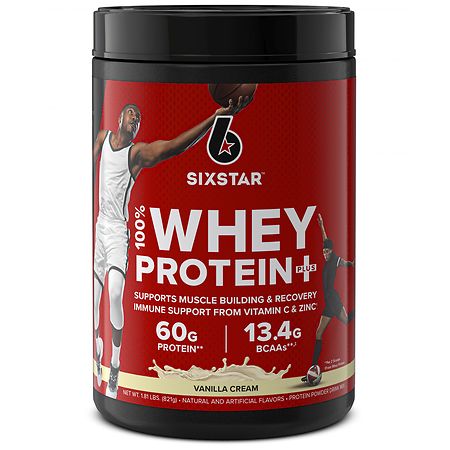
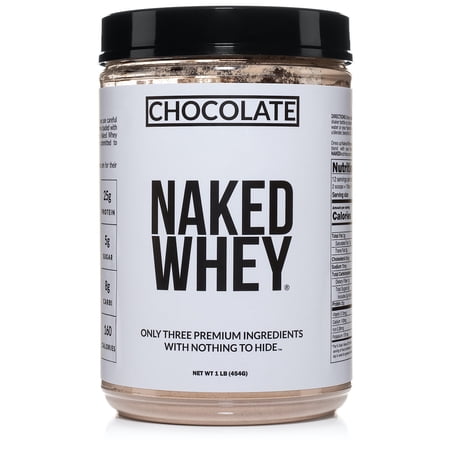
Six Star 100% Whey Protein Plus - Vanilla Cream: Gluten-Free Muscle Growth Powder
Summary
This protein powder contains a high-quality whey protein blend, which is beneficial for muscle growth and recovery. However, it includes several processed additives such as maltodextrin, artificial flavors, and sucralose, which can raise concerns about blood sugar spikes and potential impacts on gut health. The presence of multiple emulsifiers and artificial sweeteners contributes to a moderate level of processing, affecting the overall score.
At a glance
Key ingredients 14
Whey Protein Plus BlendGood
Whey protein is a high-quality animal-based protein source, providing a complete amino acid profile essential for muscle growth and repair. It is rapidly absorbed, making it ideal for post-workout recovery. The blend may include additional protein fractions that enhance its nutritional value.
Benefits
Rich in essential amino acids, supporting muscle synthesis and recovery.
MaltodextrinBad
Maltodextrin is a high-glycemic carbohydrate used as a filler and to improve texture. It can cause rapid spikes in blood sugar levels, which may be undesirable for those managing blood glucose. Its processing involves enzymatic hydrolysis, which strips away most nutritional value.
Risks
High glycemic index may lead to blood sugar spikes and potential insulin resistance over time.
Benefits
Provides quick energy, which can be beneficial for athletes needing rapid glycogen replenishment.
Soy LecithinBad
Soy lecithin is used as an emulsifier to improve texture and mixability. It is derived from soybeans, which may be genetically modified and can contain allergens. The extraction process often involves chemical solvents, raising concerns about purity.
Risks
Potential allergen and may contain traces of chemical solvents from processing.
Benefits
Improves product texture and mixability, enhancing user experience.
Sunflower LecithinBad
Sunflower lecithin is an emulsifier that helps blend ingredients smoothly. While less allergenic than soy lecithin, it is still a processed additive. The extraction process can involve mechanical or chemical methods, impacting its purity.
Risks
May contain residues from processing methods, though generally considered safer than soy lecithin.
Benefits
Enhances texture and mixability without the allergenic concerns of soy.
Calcium CarbonateNeutral
Calcium carbonate is used as a calcium supplement and acidity regulator. It is a common source of dietary calcium, though its absorption can be less efficient compared to other forms. It is generally recognized as safe when consumed in moderate amounts.
Risks
Excessive intake can lead to hypercalcemia and digestive issues.
Benefits
Provides a source of calcium, supporting bone health.
Natural FlavorsBad
Natural flavors are used to enhance taste but can be a catch-all term for various additives. The lack of transparency in their composition raises concerns about potential allergens and synthetic additives. They are often highly processed, diminishing their natural origin.
Risks
Potential allergens and undisclosed synthetic additives may pose health risks.
Benefits
Enhances flavor, making the product more palatable.
Artificial FlavorsBad
Artificial flavors are chemically synthesized to mimic natural flavors, often used to enhance taste. They can contain numerous chemical compounds, some of which may have health concerns. Their use is primarily for cost-effectiveness and consistency in flavor.
Risks
May contain synthetic chemicals with potential health risks, including allergies and sensitivities.
Benefits
Provides consistent flavoring at a lower cost than natural alternatives.
SaltNeutral
Salt is used to enhance flavor and preserve the product. While essential for bodily functions, excessive intake can lead to hypertension and cardiovascular issues. It is a common additive in processed foods for taste enhancement.
Risks
Excessive consumption can contribute to high blood pressure and related health issues.
Benefits
Enhances flavor and acts as a preservative.
Guar GumNeutral
Guar gum is a thickening agent derived from guar beans, used to improve texture and stability. It is generally recognized as safe, though excessive consumption can cause digestive issues. It is a common additive in gluten-free products for its binding properties.
Risks
High intake may lead to digestive discomfort, such as bloating and gas.
Benefits
Improves texture and stability, particularly in gluten-free formulations.
Gum AcaciaNeutral
Gum acacia is a natural gum used as a stabilizer and emulsifier. It is derived from the sap of acacia trees and is considered safe for consumption. It can also serve as a source of dietary fiber.
Risks
Generally safe, but excessive consumption may cause mild digestive issues.
Benefits
Acts as a stabilizer and provides dietary fiber.
Xanthan GumNeutral
Xanthan gum is a polysaccharide used as a thickening and stabilizing agent. It is produced through fermentation of sugars by Xanthomonas campestris bacteria. While generally safe, it can cause digestive issues in sensitive individuals.
Risks
May cause digestive discomfort in some individuals, such as bloating and gas.
Benefits
Enhances texture and stability in food products.
Ascorbic AcidNeutral
Ascorbic acid, also known as vitamin C, is used as an antioxidant and preservative. It is essential for collagen synthesis and immune function. While beneficial, its synthetic form in supplements may not be as bioavailable as natural sources.
Benefits
Supports immune function and acts as an antioxidant.
SucraloseBad
Sucralose is an artificial sweetener used to provide sweetness without calories. It is chemically altered to be non-caloric, but concerns exist about its impact on gut health and insulin response. It is often used in 'sugar-free' products as a sugar substitute.
Risks
May affect gut microbiota and insulin sensitivity, though more research is needed.
Benefits
Provides sweetness without adding calories, suitable for low-calorie diets.
Zinc OxideNeutral
Zinc oxide is used as a source of zinc, an essential mineral for immune function and enzyme activity. It is often used in supplements, though its bioavailability is lower compared to other zinc compounds. It is generally recognized as safe when consumed in appropriate amounts.
Risks
Excessive intake can lead to zinc toxicity, causing nausea and immune dysfunction.
Benefits
Supports immune health and enzymatic functions.
Processing
Ultra-Processed Foods
Get the full breakdown in the Scout app
Scan any product to see lab results, healthy alternatives, and your personalized analysis.
Download on theApp Store