At a glance
Summary
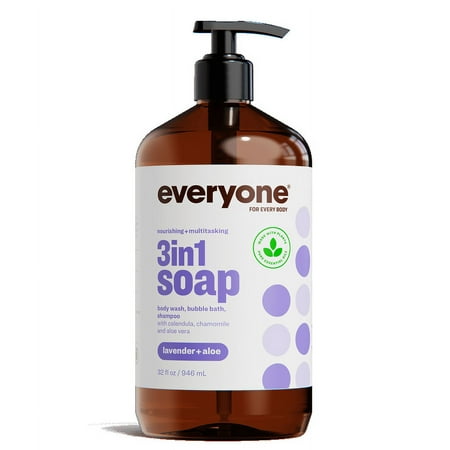
This body wash contains several beneficial ingredients such as panthenol, lavender oil, and an organic herbal blend that provide soothing and moisturizing properties. However, the presence of phenoxyethanol, a synthetic preservative with potential irritation concerns, slightly detracts from its overall safety profile. The product is mostly composed of mild, biodegradable surfactants and natural extracts, which contribute positively to its ingredient quality. Its plastic packaging can shed microplastics into the product and lowers its score.
Key ingredients 16
panthenolVery Good
Panthenol, also known as provitamin B5, is a moisturizing agent that helps to improve skin hydration and elasticity. It is known for its soothing and anti-inflammatory properties. It is beneficial for dry and irritated skin.
Risks
Generally considered safe with minimal risk.
Benefits
Improves skin hydration and soothes irritation.
eo® organic herbal blendVery Good
The organic herbal blend includes aloe vera, chamomile, calendula, and green tea extracts, known for their soothing and antioxidant properties. These botanicals help to calm and protect the skin. They are beneficial for sensitive and irritated skin.
Risks
Generally considered safe with minimal risk.
Benefits
Soothes and protects the skin with antioxidant properties.
tocopherolVery Good
Tocopherol, or Vitamin E, is an antioxidant that helps to protect the skin from free radical damage. It is known for its moisturizing and anti-inflammatory properties. It is beneficial for maintaining healthy skin.
Risks
Generally considered safe with minimal risk.
Benefits
Protects skin from oxidative stress and provides moisturizing benefits.
caprylyl/capryl glucosideGood
Caprylyl/capryl glucoside is a mild, non-ionic surfactant derived from coconut oil and glucose. It is used for its gentle cleansing properties and is biodegradable. It is suitable for sensitive skin.
Risks
Minimal risk of irritation.
Benefits
Provides gentle cleansing and is environmentally friendly.
coco-glucosideGood
Coco-glucoside is a mild, non-ionic surfactant derived from coconut oil and glucose. It is used for its gentle cleansing and foaming properties. It is suitable for sensitive skin and is biodegradable.
Risks
Minimal risk of irritation.
Benefits
Provides gentle cleansing and is environmentally friendly.
lavandula hybrida oilGood
Lavandula hybrida oil, or lavender oil, is known for its calming and soothing properties. It has antimicrobial and anti-inflammatory effects. It can cause irritation in sensitive individuals.
Risks
Potential skin irritation or allergic reactions.
Benefits
Provides calming and antimicrobial benefits.
glycerinGood
Glycerin is a humectant that attracts moisture to the skin, helping to keep it hydrated. It is widely used in skincare for its moisturizing properties. It is generally safe and non-irritating.
Risks
Minimal risk of irritation.
Benefits
Helps to maintain skin hydration and softness.
waterNeutral
Water is a common solvent used in many personal care products. It acts as a base for other ingredients to dissolve and mix. It does not provide any direct benefits or risks.
Risks
There are no significant risks associated with water in personal care products.
Benefits
Water helps to hydrate the skin by providing moisture.
cocamidopropyl hydroxysultaineNeutral
Cocamidopropyl hydroxysultaine is a surfactant and foam booster derived from coconut oil. It is generally considered mild and helps to cleanse the skin. It can cause irritation in some sensitive individuals.
Risks
Potential skin irritation for sensitive individuals.
Benefits
Provides gentle cleansing and foaming properties.
sodium coco-sulfateNeutral
Sodium coco-sulfate is a surfactant derived from coconut oil, used for its cleansing and foaming properties. It is considered milder than sodium lauryl sulfate. It can still cause irritation in some individuals.
Risks
May cause skin irritation in sensitive individuals.
Benefits
Effective in cleansing and creating foam.
sodium chlorideNeutral
Sodium chloride, or table salt, is used to thicken the consistency of personal care products. It is generally safe and non-irritating. Excessive use can lead to dryness.
Risks
May cause dryness if used in high concentrations.
Benefits
Helps to thicken and stabilize formulations.
citric acidNeutral
Citric acid is used to adjust the pH of formulations and as a mild exfoliant. It is generally safe in low concentrations. High concentrations can cause irritation.
Risks
May cause irritation in high concentrations.
Benefits
Helps to balance pH and provides mild exfoliation.
sodium phytateNeutral
Sodium phytate is a chelating agent that helps to stabilize formulations by binding metal ions. It is derived from plant sources and is considered safe. It does not provide direct skin benefits.
Benefits
Stabilizes formulations by binding metal ions.
phenoxyethanolBad
Phenoxyethanol is a preservative used to prevent microbial growth in products. It is effective but can cause irritation and allergic reactions in some individuals. It is a synthetic compound with potential toxicity concerns.
Risks
Potential for skin irritation and allergic reactions.
Benefits
Prevents microbial growth and extends product shelf life.
benzyl alcoholBad
Processed additive flagged under Scout's ingredient doctrine.
Risks
May cause irritation in sensitive individuals.
Benefits
Provides antimicrobial properties and acts as a solvent.
potassium sorbateBad
Synthetic preservative — flagged in daily-use products.
Risks
Potential for skin irritation.
Benefits
Prevents mold and yeast growth, extending product shelf life.
Processing
Processed Foods
Get the full breakdown in the Scout appTake Scout shopping
Scan any product to see lab results, healthy alternatives, and your personalized analysis.
Are you Everyone? Fix an error Get the badge Get tested
Amazon pricing & content
CERTAIN CONTENT THAT APPEARS ON THIS SITE COMES FROM AMAZON. THIS CONTENT IS PROVIDED “AS IS” AND IS SUBJECT TO CHANGE OR REMOVAL AT ANY TIME.