



At a glance
Summary
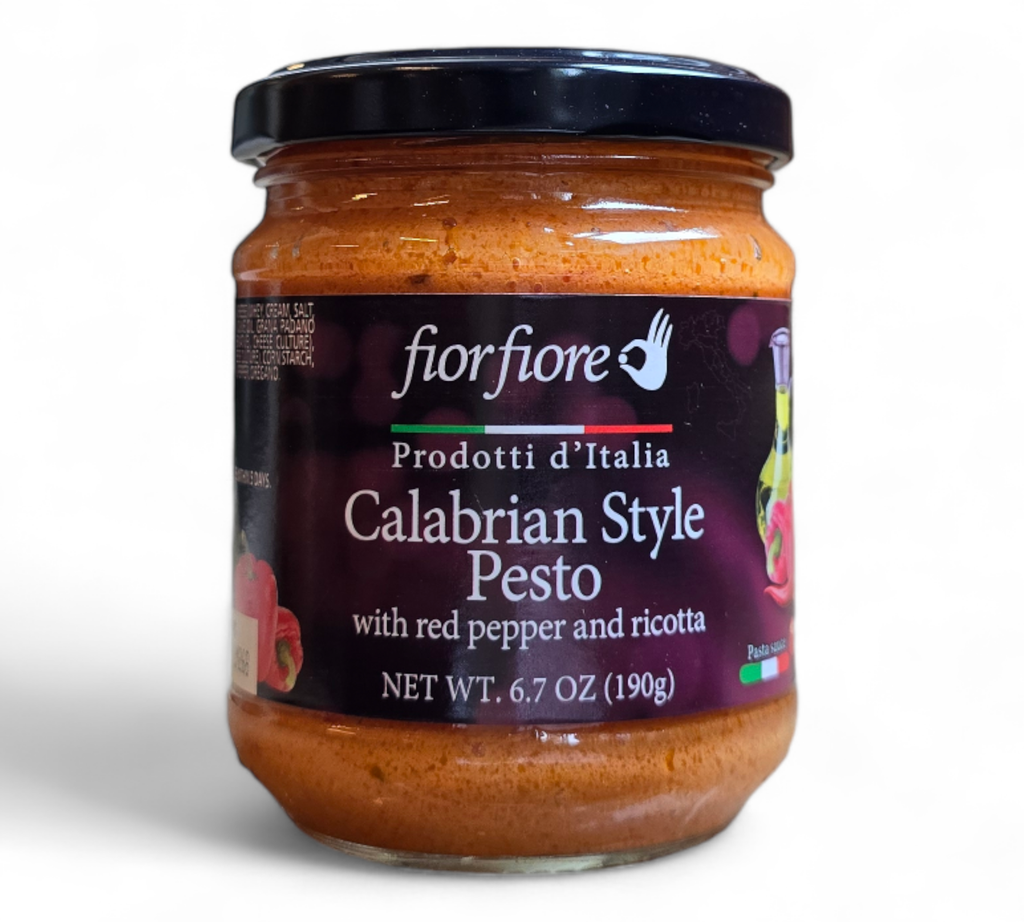
This organic red pepper pesto contains beneficial ingredients like red peppers, tomato paste, Parmigiano Reggiano cheese, and extra virgin olive oil, which contribute to its nutritional value. However, the presence of sunflower oil, a seed oil high in omega-6 fatty acids, and refined cane sugar detracts from its healthiness. The product is moderately processed, which limits its score despite the inclusion of some high-quality ingredients.
Key ingredients 10
Extra virgin olive oilVery Good
Extra virgin olive oil is a high-quality monounsaturated fat with anti-inflammatory properties. It contains antioxidants that support heart health. Cold-pressed extraction preserves beneficial compounds.
Benefits
Rich in monounsaturated fats that support heart health and provide anti-inflammatory properties. Contains antioxidants like vitamin E and polyphenols that may reduce oxidative stress.
Red peppersGood
Red peppers are a rich source of vitamins A and C, which are essential for immune function and skin health. They are minimally processed and retain their natural nutrients. Their vibrant color indicates a high level of antioxidants.
Benefits
Rich in antioxidants and vitamins that support overall health and immune function.
Tomato pasteGood
Tomato paste is concentrated and rich in lycopene, an antioxidant linked to reduced risk of certain diseases. It is minimally processed and retains many of the nutrients found in fresh tomatoes. The concentration process enhances its flavor and nutrient density.
Benefits
Rich in antioxidants like lycopene, which may support heart health and reduce cancer risk.
Parmigiano Reggiano cheeseGood
Parmigiano Reggiano is a high-quality cheese known for its rich flavor and nutritional profile, including calcium and protein. It is made from grass-fed cow's milk and aged to enhance its flavor and digestibility. The aging process reduces lactose content, making it easier to digest for some individuals.
Risks
Contains dairy, which may be a concern for those with lactose intolerance or dairy allergies.
Benefits
Provides high-quality protein and calcium, supporting bone health and muscle function.
SaltNeutral
Salt is used as a seasoning and preservative in many foods. It is a refined product and does not provide the trace minerals found in unrefined salts. Excessive consumption can lead to health issues such as hypertension.
Risks
High sodium intake can contribute to hypertension and cardiovascular disease.
Benefits
Enhances flavor and acts as a preservative in foods.
Lactic acidNeutral
Lactic acid is a naturally occurring acid used as a preservative and flavoring agent. It is generally recognized as safe and is produced through fermentation. It helps maintain the acidity of foods, which can inhibit bacterial growth.
Benefits
Acts as a preservative and can enhance the flavor profile of foods.
WaterNeutral
Water is used as a solvent and to adjust the consistency of the product. It is a neutral ingredient with no direct nutritional impact. It helps in blending and homogenizing the ingredients.
Benefits
Essential for hydration but does not provide additional nutritional benefits in this context.
Corn starchNeutral
Corn starch is used as a thickening agent in foods. It is a refined carbohydrate with little nutritional value. It helps achieve the desired texture and consistency in the product.
See more about Corn starch →Cane sugarBad
Cane sugar is a refined sweetener that can contribute to increased calorie intake and blood sugar levels. It lacks nutritional benefits and is associated with various health issues when consumed in excess. It is processed to remove impurities, resulting in a high glycemic index.
Risks
Excessive consumption can lead to obesity, diabetes, and dental issues.
Benefits
Provides quick energy but lacks essential nutrients.
Sunflower oilVery Bad
Sunflower oil is a seed oil high in omega-6 fatty acids, which can promote inflammation when consumed in excess. It is often extracted using high heat and chemicals, which can degrade its nutritional quality. The high omega-6 content can disrupt the balance of fatty acids in the diet.
Risks
High omega-6 content may promote inflammation and contribute to chronic diseases.
Processing
Processed Foods
Get the full breakdown in the Scout appTake Scout shopping
Scan any product to see lab results, healthy alternatives, and your personalized analysis.
Download on theApp Store GET IT ONGoogle Play