
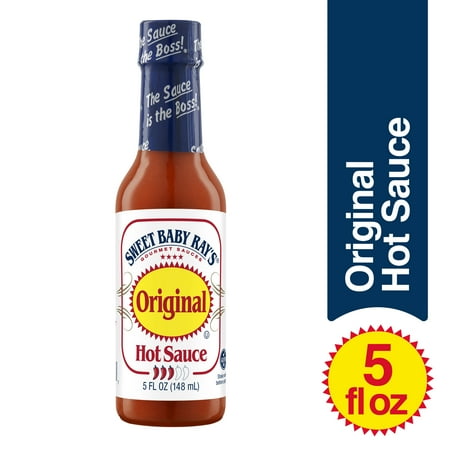


Sweet Baby Ray s Original Hot Sauce 5 fl oz
Analysis updated October 2026 · How Scout scores
At a glance
Summary
This hot sauce contains aged cayenne red peppers, which are a beneficial whole food ingredient with potential health benefits. However, it also includes synthetic preservatives like sodium benzoate and potassium sorbate, which raise health concerns. The product is moderately processed, which limits its score despite having some natural ingredients.
Key ingredients 7
Aged cayenne red peppersGood
Aged cayenne red peppers are a natural source of capsaicin, which may have anti-inflammatory and metabolism-boosting properties. The aging process can enhance flavor without the need for artificial additives. They are a whole food ingredient with potential health benefits.
Benefits
Rich in capsaicin, which may support metabolism and provide anti-inflammatory effects. Offers natural flavor enhancement without artificial additives.
GarlicGood
Whole food with well-documented cardiovascular and immune benefits.
Benefits
Contains allicin, which may offer antimicrobial and cardiovascular benefits.
Distilled vinegarNeutral
Distilled vinegar is a common acidic ingredient used for flavor and preservation. It is produced through the fermentation of ethanol by acetic acid bacteria. While it adds tanginess, it does not offer significant nutritional benefits.
Risks
Excessive consumption may lead to digestive discomfort due to its acidity.
Benefits
Provides a tangy flavor and acts as a natural preservative in food products.
SaltNeutral
Salt is used to enhance flavor and preserve food. It is a refined ingredient without the trace minerals found in unrefined salts. While necessary for bodily functions, excessive intake can lead to health issues.
Risks
High sodium intake is associated with increased risk of hypertension and cardiovascular diseases.
Benefits
Essential for maintaining fluid balance and nerve function in the body.
Xanthan gumNeutral
Xanthan gum is a polysaccharide used as a thickening and stabilizing agent in foods. It is produced through the fermentation of sugars by Xanthomonas campestris bacteria. While it improves texture, it does not provide nutritional benefits.
Risks
May cause digestive issues like bloating or gas in sensitive individuals when consumed in large amounts.
Benefits
Improves texture and stability of food products without significant health risks when consumed in moderation.
Sodium benzoateBad
Sodium benzoate is a synthetic preservative used to prevent microbial growth. It is effective in acidic environments but can form benzene, a carcinogen, when combined with ascorbic acid. Its use is controversial due to potential health concerns.
Risks
Potential formation of benzene, a known carcinogen, when combined with vitamin C in acidic conditions.
Benefits
Extends shelf life by preventing microbial growth in acidic foods.
Potassium sorbateBad
Potassium sorbate is a preservative used to inhibit mold and yeast growth. It is synthetically produced and widely used in the food industry. While generally recognized as safe, its synthetic nature raises concerns for some consumers.
Risks
May cause allergic reactions or skin irritation in sensitive individuals.
Benefits
Effectively prevents spoilage by inhibiting mold and yeast growth, extending product shelf life.
Processing
Processed Foods
Get the full breakdown in the Scout appTake Scout shopping
Scan any product to see lab results, healthy alternatives, and your personalized analysis.
Download on theApp Store GET IT ONGoogle Play