

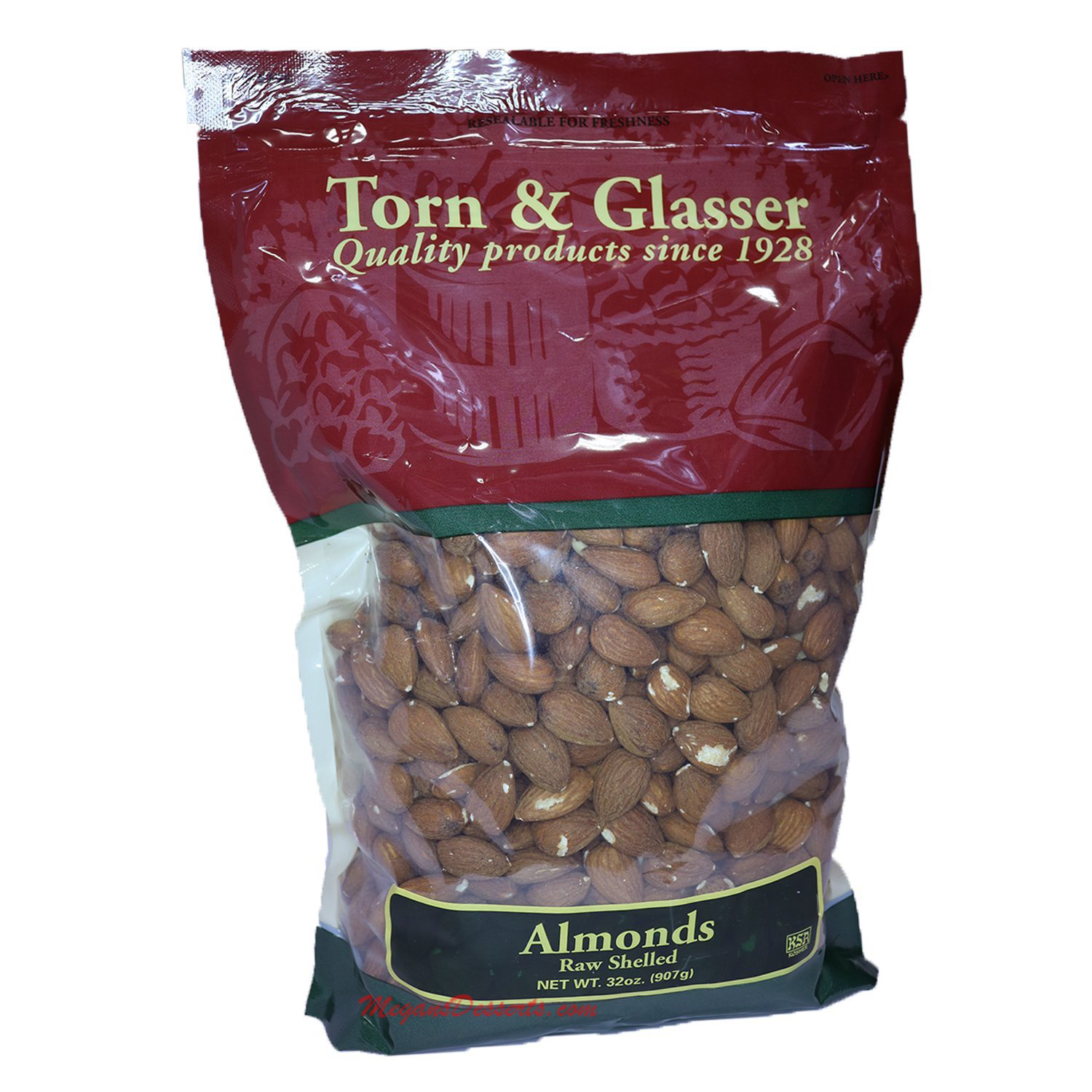


Lamontagne Coconut Almonds
Analysis updated August 2026 · How Scout scores
At a glance
Summary
This product contains beneficial ingredients like dark chocolate and whole roasted almonds, which provide antioxidants and healthy fats. However, it is heavily processed with multiple additives such as corn syrup, refined sugar, and artificial flavors, which detract from its nutritional quality. The presence of these processed ingredients and additives limits the overall healthiness of the product.
Key ingredients 12
Whole Roasted AlmondsVery Good
Almonds are a nutrient-dense nut rich in healthy fats, protein, and fiber. They provide essential vitamins and minerals such as vitamin E and magnesium. Roasting enhances flavor without significantly degrading nutritional content.
Benefits
Supports heart health and provides a good source of plant-based protein and healthy fats.
Dark ChocolateGood
Dark chocolate contains cocoa solids, which are rich in antioxidants and flavonoids. These compounds may support heart health and improve blood flow. The higher cocoa content compared to milk chocolate provides more health benefits.
Risks
Contains sugar and fat, which should be consumed in moderation to avoid negative health impacts.
Benefits
Rich in antioxidants that may reduce inflammation and improve heart health.
White ChocolateNeutral
White chocolate is a confection made from cocoa butter, sugar, and milk solids. It lacks the antioxidants found in dark chocolate and is primarily a source of sugar and fat. Its processing involves refining and blending, which does not add significant nutritional value.
Risks
High sugar content can contribute to weight gain and dental issues if consumed in excess.
Benefits
Provides a creamy texture and flavor that enhances the sensory experience of the product.
CoconutNeutral
Coconut is a source of medium-chain triglycerides (MCTs) and dietary fiber. It is often sweetened and processed, which can add sugar content. The natural fats in coconut are beneficial, but added sugars can offset these benefits.
Risks
Added sugar content may contribute to excessive calorie intake and dental issues.
Benefits
Contains MCTs that may support energy metabolism and provide a quick energy source.
Citric AcidNeutral
Citric acid is a natural acid found in citrus fruits, used as a preservative and flavor enhancer. It is widely used in food processing for its ability to add tartness and stabilize pH levels. It is generally safe and has minimal health concerns.
Risks
Excessive consumption may cause tooth enamel erosion.
Benefits
Enhances flavor and acts as a natural preservative.
Confectioner's GlazeNeutral
Confectioner's glaze is a food-grade shellac used to provide a shiny coating on candies and confections. It is derived from natural sources and is used to improve appearance and texture. It does not contribute to nutritional value.
Benefits
Improves visual appeal and texture of food products.
Vegetable OilNeutral
Vegetable oil is a generic term for oils extracted from plants, often used for cooking and baking. The nutritional profile varies depending on the source, but it generally provides a source of fats. It is important to consider the type of oil used, as some may be high in omega-6 fatty acids.
Risks
May contribute to an imbalanced omega-6 to omega-3 ratio if consumed in excess.
Benefits
Provides a source of dietary fats necessary for energy and nutrient absorption.
Corn SyrupBad
Corn syrup is a sweetener derived from corn starch, primarily composed of glucose. It is highly processed and can contribute to excessive sugar intake. Its use in foods is often linked to increased calorie consumption and potential weight gain.
Risks
High consumption may lead to obesity, insulin resistance, and other metabolic issues.
SugarBad
Refined sugar is a common sweetener that provides empty calories without essential nutrients. Excessive intake is associated with various health issues, including obesity and dental cavities. It is often added to enhance flavor but lacks nutritional value.
Risks
High sugar intake is linked to increased risk of obesity, type 2 diabetes, and heart disease.
Soy LecithinBad
Soy lecithin is an emulsifier derived from soybeans, used to stabilize and blend ingredients. It is a processed additive with minimal nutritional value. While generally recognized as safe, it is often used in highly processed foods.
Risks
May cause allergic reactions in individuals sensitive to soy.
Benefits
Helps improve texture and consistency of food products.
Potassium SorbateBad
Synthetic preservative — flagged in daily-use products.
Risks
May cause mild skin or respiratory irritation in sensitive individuals.
Benefits
Helps maintain product freshness and prevent spoilage.
Artificial FlavorBad
Artificial flavors are chemically synthesized compounds used to mimic natural flavors. They are highly processed and do not provide nutritional benefits. Their use is often associated with highly processed foods and may contribute to flavor addiction.
Risks
May cause allergic reactions or sensitivities in some individuals.
Processing
Processed Foods
Get the full breakdown in the Scout appTake Scout shopping
Scan any product to see lab results, healthy alternatives, and your personalized analysis.
Download on theApp Store GET IT ONGoogle Play