


At a glance
Summary
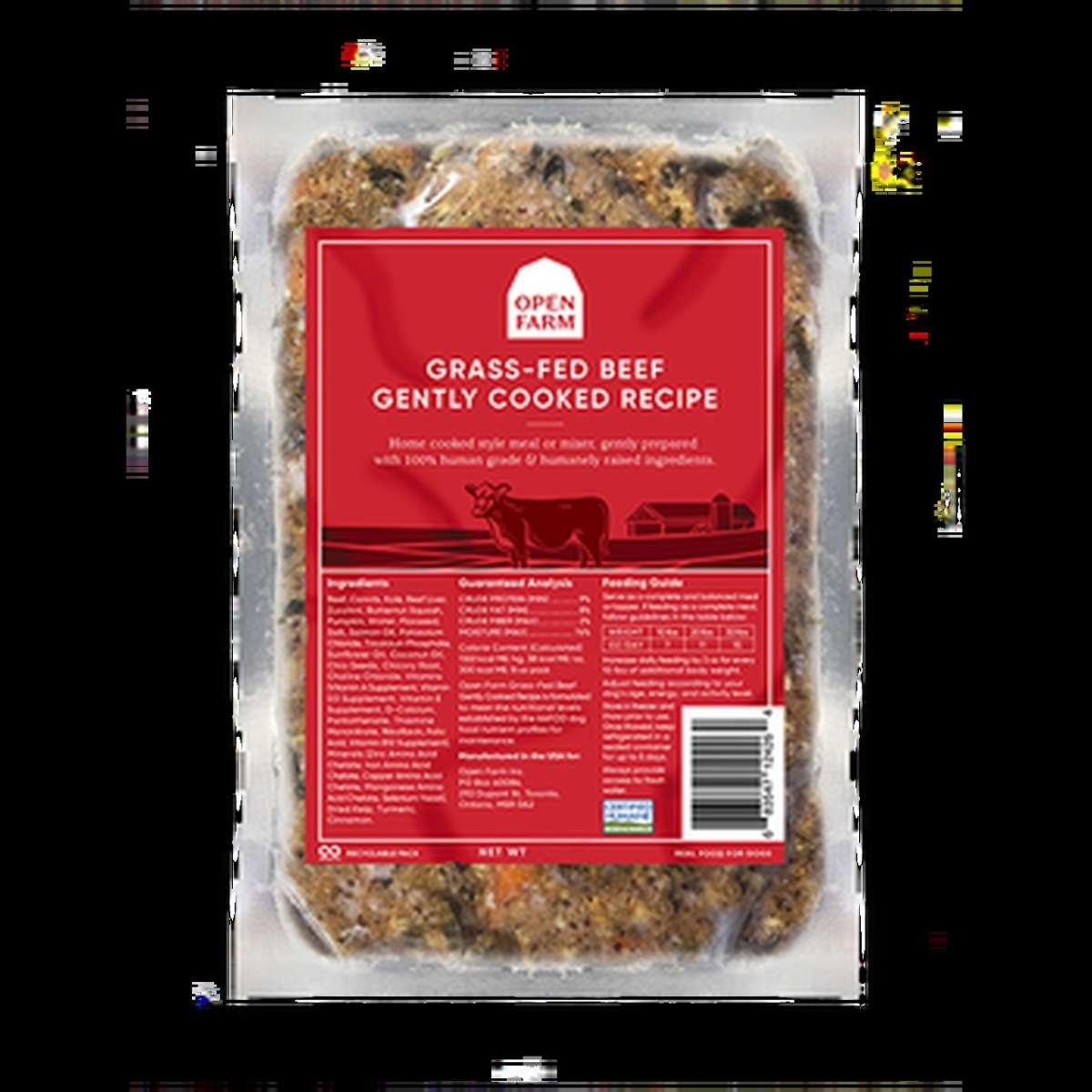
This product features a variety of nutrient-dense ingredients such as pasture-raised beef heart and liver, eggs, and a range of vegetables and fruits, all of which contribute to its high nutritional value. The inclusion of salmon oil and flaxseed provides healthy fats, while the absence of harmful additives or seed oils ensures a clean label. Its minimal processing level further enhances its health profile, making it a top-tier choice in its category.
Key ingredients 23
Pasture-raised beef heartVery Good
Beef heart is a nutrient-dense organ meat rich in protein and essential vitamins. Being pasture-raised indicates higher quality and better nutrient profile. It provides CoQ10, which supports heart health.
Benefits
Rich in protein, B vitamins, and CoQ10, supporting cardiovascular and overall health.
Beef liverVery Good
Beef liver is an excellent source of essential nutrients like vitamin A, iron, and B vitamins. It is highly bioavailable and nutrient-dense. Regular consumption supports energy levels and immune function.
Risks
Excessive consumption may lead to vitamin A toxicity.
Benefits
Provides a rich source of vitamins and minerals, supporting various bodily functions.
BlueberriesVery Good
Blueberries are rich in antioxidants, particularly anthocyanins, which support brain health and reduce oxidative stress. They are also a good source of vitamins C and K. Blueberries may improve heart health.
Benefits
Rich in antioxidants and vitamins, supporting brain and heart health.
OystersVery Good
Oysters are an excellent source of zinc, vitamin B12, and omega-3 fatty acids. They support immune function and heart health. Oysters are also high in protein and low in calories.
Risks
Potential allergen and may contain environmental contaminants.
Benefits
Rich in zinc and omega-3s, supporting immune and heart health.
FlaxseedVery Good
Flaxseed is a rich source of omega-3 fatty acids, fiber, and lignans. It supports heart health and digestive function. Flaxseed also has anti-inflammatory properties.
Risks
May cause digestive discomfort if consumed in large amounts.
Benefits
Rich in omega-3s and fiber, supporting heart and digestive health.
Salmon oilVery Good
Salmon oil is rich in omega-3 fatty acids, which support heart and brain health. It has anti-inflammatory properties and is beneficial for skin and coat health in pets. Salmon oil is a high-quality source of essential fatty acids.
Benefits
Rich in omega-3s, supporting heart, brain, and skin health.
EggsGood
Eggs are a high-quality protein source with essential amino acids. They contain choline, which is important for brain health. Eggs also provide healthy fats and vitamins.
Risks
Potential allergen for some individuals.
Benefits
Rich in protein and nutrients like choline, supporting muscle and brain health.
BroccoliGood
Broccoli is a cruciferous vegetable rich in vitamins C and K, fiber, and antioxidants. It supports immune function and digestive health. Its phytochemicals may have cancer-preventive properties.
Benefits
Provides antioxidants and nutrients that support overall health and may reduce cancer risk.
SpinachGood
Spinach is a leafy green vegetable high in vitamins A, C, and K, as well as iron and calcium. It supports bone health and immune function. Spinach is also rich in antioxidants.
Risks
Contains oxalates, which may affect calcium absorption in sensitive individuals.
Benefits
Rich in nutrients and antioxidants, supporting bone health and reducing oxidative stress.
KaleGood
Kale is a nutrient-dense leafy green rich in vitamins A, C, and K, as well as antioxidants. It supports immune health and has anti-inflammatory properties. Kale is also a good source of fiber.
Risks
Contains goitrogens, which may affect thyroid function in large amounts.
Benefits
Provides essential vitamins and antioxidants, supporting overall health and reducing inflammation.
Sweet potatoGood
Sweet potatoes are a rich source of beta-carotene, fiber, and vitamins C and B6. They support eye health and provide a slow-release energy source. Sweet potatoes are also low in fat and cholesterol.
Benefits
Rich in beta-carotene and fiber, supporting eye health and digestion.
PlumsGood
Plums are a good source of vitamins C and K, fiber, and antioxidants. They support digestive health and may help regulate blood sugar levels. Plums also contain polyphenols that have anti-inflammatory effects.
Benefits
Provides fiber and antioxidants, supporting digestion and reducing inflammation.
StrawberriesGood
Strawberries are a good source of vitamin C, manganese, and antioxidants. They support immune function and skin health. Strawberries also have anti-inflammatory properties.
Risks
Potential allergen for some individuals.
Benefits
Rich in vitamin C and antioxidants, supporting immune health and reducing inflammation.
Beef knuckleGood
Beef knuckle is a lean cut of meat rich in protein and essential nutrients. It supports muscle growth and repair. Being a whole food, it is minimally processed.
Benefits
Provides high-quality protein and nutrients, supporting muscle health.
Beef lungGood
Beef lung is a nutrient-rich organ meat high in protein and essential vitamins. It supports energy metabolism and overall health. Organ meats like lung are nutrient-dense and bioavailable.
Benefits
Rich in protein and vitamins, supporting energy and overall health.
CarrotGood
Carrots are a good source of beta-carotene, fiber, and vitamins A and K. They support eye health and immune function. Carrots are also low in calories and fat.
Benefits
Rich in beta-carotene and fiber, supporting eye health and digestion.
PumpkinGood
Pumpkin is rich in beta-carotene, fiber, and vitamins C and E. It supports immune function and digestive health. Pumpkin is also low in calories and fat.
Benefits
Provides beta-carotene and fiber, supporting immune and digestive health.
ZucchiniGood
Zucchini is a low-calorie vegetable rich in vitamins C and A, fiber, and antioxidants. It supports digestive health and may help regulate blood sugar levels. Zucchini is also hydrating due to its high water content.
Benefits
Rich in vitamins and fiber, supporting digestion and hydration.
Butternut squashGood
Butternut squash is a good source of beta-carotene, fiber, and vitamins A and C. It supports immune function and eye health. Butternut squash is also low in calories and fat.
Benefits
Provides beta-carotene and fiber, supporting immune and eye health.
WaterNeutral
Water is used as a base ingredient and does not contribute significant nutritional value. It is essential for hydration and acts as a solvent in food preparation. Water is a neutral ingredient with no health risks.
Benefits
Essential for hydration and acts as a solvent in food preparation.
Tricalcium phosphateNeutral
Tricalcium phosphate is used as a calcium supplement and anti-caking agent. It helps maintain bone health by providing calcium. It is generally recognized as safe when used in food products.
Benefits
Provides calcium, supporting bone health.
SaltNeutral
Salt is used to enhance flavor and preserve food. It is essential for maintaining fluid balance and nerve function. Excessive intake can lead to health issues like hypertension.
Risks
Excessive consumption may lead to high blood pressure.
Benefits
Essential for fluid balance and nerve function.
Potassium chlorideNeutral
Potassium chloride is used as a salt substitute and provides potassium, an essential mineral. It helps maintain electrolyte balance and supports muscle function. It is generally safe when consumed in appropriate amounts.
Risks
Excessive intake may lead to hyperkalemia, affecting heart function.
Benefits
Provides potassium, supporting electrolyte balance and muscle function.
Processing
Unprocessed or Minimally Processed Foods
Get the full breakdown in the Scout appTake Scout shopping
Scan any product to see lab results, healthy alternatives, and your personalized analysis.
Download on theApp Store GET IT ONGoogle Play