



At a glance
Summary
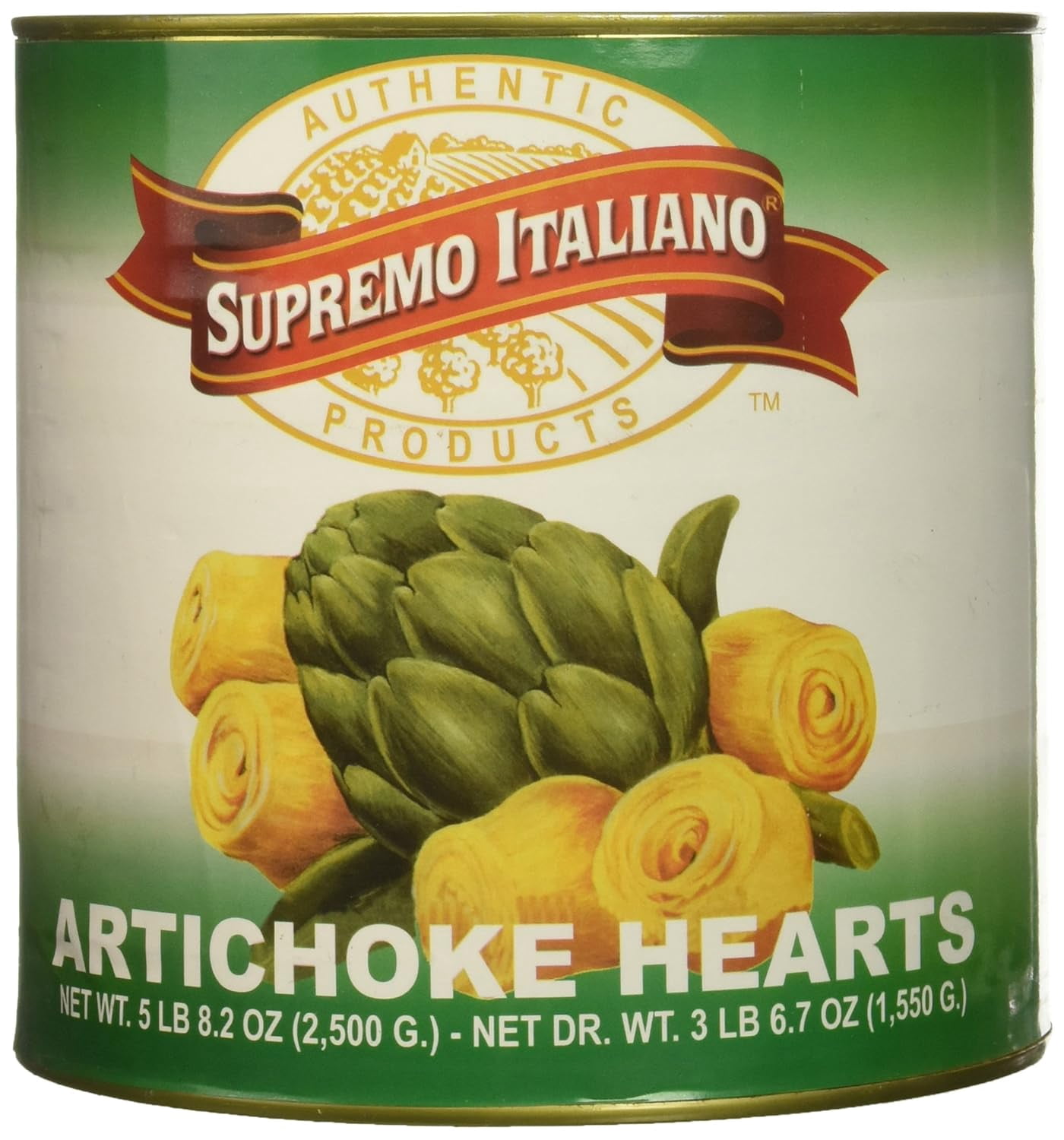
The product consists mainly of artichoke hearts, which are nutrient-dense and minimally processed, retaining most of their natural nutrients. The inclusion of citric acid as a preservative is minimal and does not significantly detract from the overall quality. Despite being processed, the clean ingredient list and absence of harmful additives support a high score within the processing level cap.
Key ingredients 4
Artichoke heartsGood
Artichoke hearts are a nutrient-dense vegetable rich in fiber and antioxidants. They are minimally processed and retain most of their natural nutrients. Artichokes are known for their potential to support liver health and improve digestion.
Benefits
Rich in dietary fiber and antioxidants, which can support digestive health and reduce oxidative stress.
WaterNeutral
Water is used as a medium for preservation and does not contribute any nutritional value. It is a neutral ingredient that serves to maintain the texture and moisture of the product. There are no processing concerns associated with water in this context.
See more about Water →SaltNeutral
Salt is used for flavor enhancement and preservation. It is a common ingredient in processed foods and contributes to sodium intake. While necessary for bodily functions, excessive consumption can lead to health issues.
Risks
High sodium intake can contribute to hypertension and cardiovascular issues if consumed in excess.
Benefits
Provides essential sodium needed for various physiological functions.
Citric acidNeutral
Citric acid is a natural preservative and flavor enhancer commonly used in food products. It is generally recognized as safe and helps maintain the product's acidity and freshness. Derived from citrus fruits, it is widely used in the food industry.
Benefits
Helps preserve the product and enhance flavor without significant nutritional benefits.
Processing
Processed Foods
Get the full breakdown in the Scout appTake Scout shopping
Scan any product to see lab results, healthy alternatives, and your personalized analysis.
Download on theApp Store GET IT ONGoogle Play