



At a glance
Summary
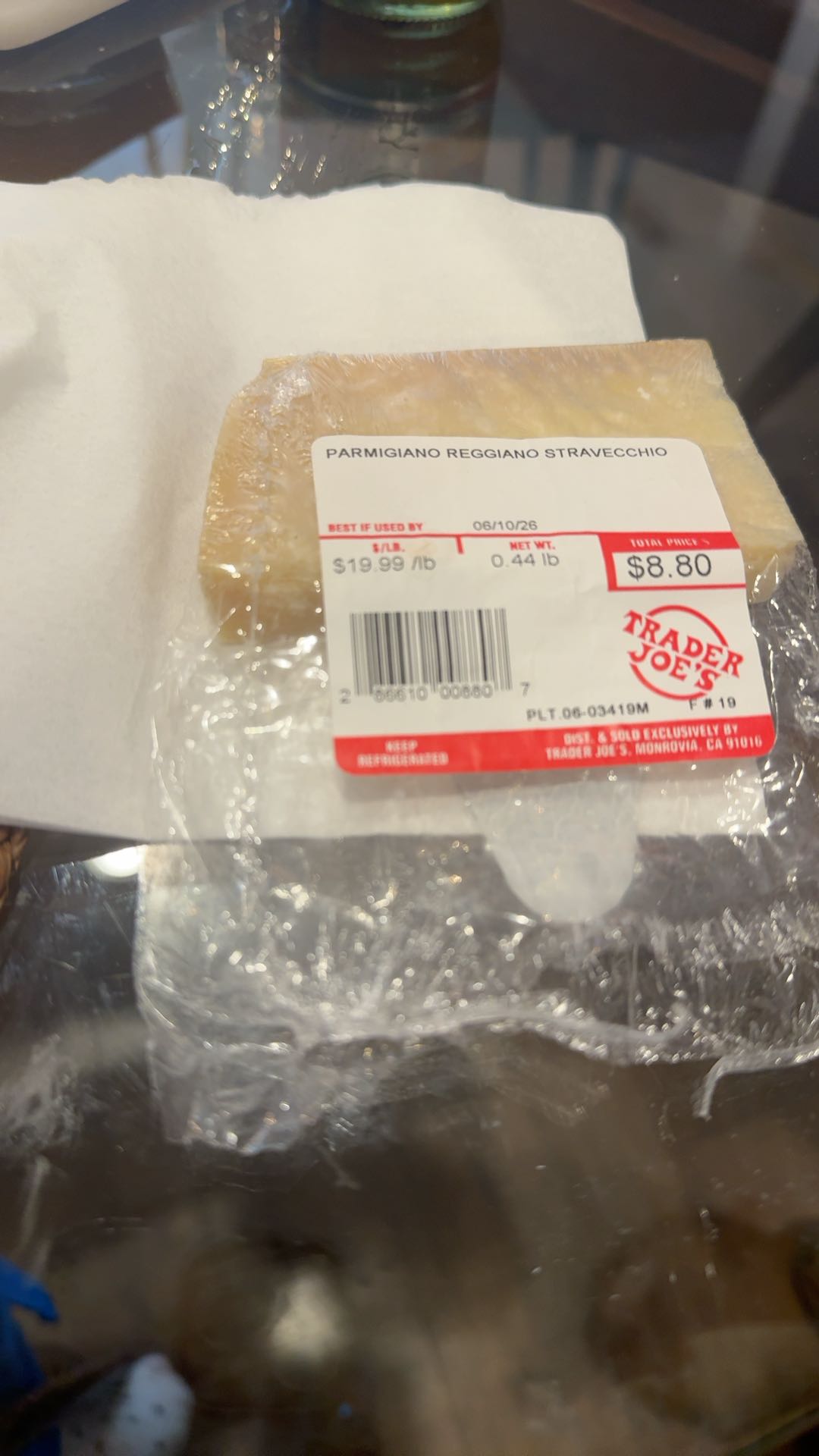
This cheese is made from high-quality unpasteurized cow's milk, salt, and animal rennet, which are traditional and clean ingredients in cheese-making. The product is processed but lacks harmful additives, artificial colors, or preservatives, maintaining a focus on natural components. The processing level limits the score, but the exceptional ingredient quality supports a high rating within its category.
Key ingredients 3
Unpasteurized cow's milkVery Good
Unpasteurized cow's milk is a high-quality source of protein and calcium, essential for bone health. It retains natural enzymes and beneficial bacteria that may aid digestion. The use of unpasteurized milk is traditional in cheese-making, enhancing flavor and nutritional profile.
Risks
Potential risk of bacterial contamination if not properly handled, but generally safe in aged cheeses.
Benefits
Rich in protein and calcium, supporting bone health and muscle function. Contains beneficial bacteria that may improve gut health.
Animal rennetGood
Animal rennet is a natural enzyme used in traditional cheese-making to coagulate milk. It contributes to the development of texture and flavor in cheese. The use of animal rennet is a hallmark of authentic cheese production, ensuring a rich and complex taste.
Benefits
Facilitates the cheese-making process, enhancing texture and flavor. Supports traditional cheese-making methods.
SaltNeutral
Standard formulation ingredient — neither beneficial nor harmful at typical use.
Risks
Excessive salt intake can lead to high blood pressure and cardiovascular issues.
Benefits
Essential for flavor development and preservation in cheese. Provides necessary sodium for bodily functions when consumed in moderation.
Processing
Processed Foods
Get the full breakdown in the Scout appTake Scout shopping
Scan any product to see lab results, healthy alternatives, and your personalized analysis.
Download on theApp Store GET IT ONGoogle Play