


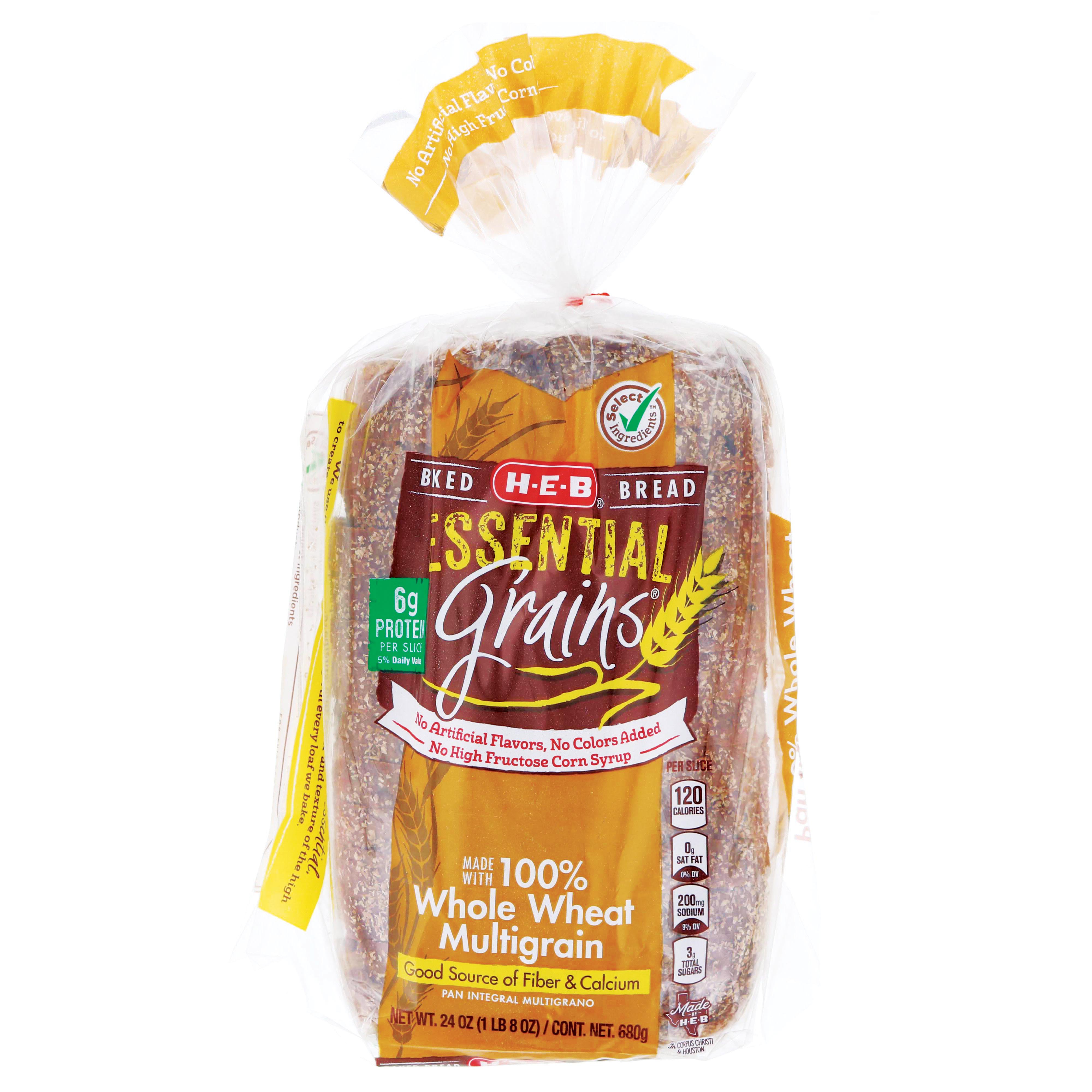


Frederik's Whole Wheat Bun
Analysis updated August 2026 · How Scout scores
At a glance
Summary
This whole wheat bun contains beneficial ingredients like whole grain wheat flour and malted barley flour, which provide fiber and nutrients. However, the presence of soybean oil, a seed oil high in omega-6 fatty acids, and added sugar detracts from its healthfulness. The product is moderately processed, which limits its score despite the inclusion of some vitamins and minerals.
Key ingredients 24
Whole grain wheat flourVery Good
Whole grain wheat flour is a rich source of dietary fiber and essential nutrients. It is minimally processed, retaining the bran and germ, which provide vitamins and minerals. This ingredient supports digestive health and provides sustained energy.
Benefits
Rich in fiber, vitamins, and minerals, supporting heart health and digestion.
Malted barley flourGood
Malted barley flour is used to enhance flavor and improve texture in baked goods. It contains enzymes that aid in the breakdown of starches, improving digestibility. This ingredient adds a subtle sweetness and nutritional benefits.
Benefits
Enhances flavor and texture, and aids in starch digestion.
Thiamine mononitrate (vitamin b1)Good
Thiamine mononitrate is a synthetic form of vitamin B1, essential for energy metabolism. It is added to enriched foods to prevent deficiencies. This ingredient supports nerve function and carbohydrate metabolism.
Benefits
Supports energy metabolism and nerve function.
Riboflavin (vitamin b2)Good
Riboflavin is a water-soluble vitamin essential for energy production and cellular function. It is added to foods to prevent deficiencies and support overall health. This ingredient aids in the metabolism of fats, drugs, and steroids.
Benefits
Supports energy production and cellular function.
Niacin (vitamin b3)Good
Niacin is a B vitamin important for converting food into energy and maintaining healthy skin and nerves. It is added to enriched foods to prevent deficiencies. This ingredient supports cardiovascular health and reduces cholesterol levels.
Risks
High doses may cause flushing and liver damage.
Benefits
Supports energy metabolism and cardiovascular health.
Wheat branGood
Wheat bran is the outer layer of the wheat kernel, rich in dietary fiber and nutrients. It supports digestive health and helps regulate blood sugar levels. This ingredient adds texture and nutritional value to baked goods.
Benefits
Rich in fiber, supporting digestion and blood sugar control.
Whole grain rolled oatsGood
Whole grain rolled oats are a nutritious source of fiber, vitamins, and minerals. They support heart health and provide sustained energy. This ingredient is minimally processed, retaining its nutritional benefits.
Benefits
Rich in fiber and nutrients, supporting heart health and energy.
Barley flakesGood
Barley flakes are a whole grain ingredient rich in fiber and essential nutrients. They support heart health and provide a chewy texture to baked goods. This ingredient is minimally processed, retaining its nutritional benefits.
Benefits
Supports heart health and provides fiber and nutrients.
Ascorbic acidGood
Ascorbic acid, also known as vitamin C, is an antioxidant that supports immune function and skin health. It is added to foods to prevent oxidation and improve shelf life. This ingredient is essential for collagen synthesis and overall health.
Benefits
Supports immune function and acts as an antioxidant.
SesameGood
Sesame seeds are a good source of healthy fats, protein, and minerals like calcium and magnesium. They support heart health and provide a nutty flavor to foods. This ingredient is minimally processed and nutrient-dense.
Risks
May cause allergic reactions in susceptible individuals.
Benefits
Rich in healthy fats and minerals, supporting heart health.
Enriched flour unbleached wheat flourNeutral
Enriched flour is refined wheat flour with added vitamins and minerals. It lacks the fiber of whole grains but provides essential nutrients like iron and B vitamins. This ingredient is common in processed foods but offers less nutritional value than whole grains.
Risks
May contribute to blood sugar spikes due to lack of fiber.
Benefits
Provides essential nutrients like iron and B vitamins.
Reduced ironNeutral
Reduced iron is added to fortify foods with iron, an essential mineral. It helps prevent iron deficiency anemia but does not provide the same bioavailability as heme iron from animal sources. This ingredient is common in enriched and fortified foods.
Risks
Excessive intake may lead to iron overload in susceptible individuals.
Benefits
Helps prevent iron deficiency anemia.
Folic acidNeutral
Standard formulation ingredient — neither beneficial nor harmful at typical use.
Risks
Excessive intake may mask vitamin B12 deficiency.
Benefits
Prevents neural tube defects and supports cell division.
WaterNeutral
Water is used as a solvent and to provide moisture in food products. It is essential for hydration and does not contribute calories or nutrients. This ingredient is a basic component of many food products.
Benefits
Essential for hydration and food processing.
YeastNeutral
Baker's/nutritional yeast in standard use — benign.
Benefits
Enhances flavor and texture, and provides B vitamins.
Wheat glutenNeutral
Wheat gluten is a protein that provides elasticity and structure in baked goods. It is essential for bread making but can cause issues for those with gluten intolerance or celiac disease. This ingredient is a common component of wheat-based products.
Risks
May cause adverse reactions in individuals with gluten intolerance or celiac disease.
Benefits
Provides structure and elasticity in baked goods.
SaltNeutral
Salt is used to enhance flavor and preserve food. It is essential for maintaining fluid balance and nerve function but should be consumed in moderation. This ingredient is a common seasoning in many foods.
Risks
Excessive intake may lead to high blood pressure and cardiovascular issues.
Benefits
Essential for fluid balance and nerve function.
Cultured wheat flourNeutral
Standard formulation ingredient — neither beneficial nor harmful at typical use.
Benefits
Supports gut health and acts as a natural preservative.
Rye flourNeutral
Standard formulation ingredient — neither beneficial nor harmful at typical use.
Benefits
Rich in fiber and nutrients, supporting digestion and flavor.
VinegarNeutral
Vinegar is used as a preservative and flavor enhancer in food products. It is acidic and can help balance flavors in recipes. This ingredient is natural and has no significant nutritional impact.
Benefits
Acts as a natural preservative and flavor enhancer.
Wheat starchNeutral
Wheat starch is used as a thickening agent and to improve texture in baked goods. It is a refined carbohydrate with limited nutritional value. This ingredient is common in processed foods for its functional properties.
Risks
May contribute to blood sugar spikes due to lack of fiber.
Benefits
Improves texture and acts as a thickening agent.
Calcium phosphateNeutral
Calcium phosphate is used as a leavening agent and to fortify foods with calcium. It supports bone health but is not as bioavailable as calcium from dairy sources. This ingredient is common in fortified and processed foods.
Risks
Excessive intake may lead to imbalances in mineral absorption.
Benefits
Supports bone health by providing calcium.
SugarBad
Sugar is a refined carbohydrate that provides sweetness and energy. It lacks nutritional value and can contribute to weight gain and metabolic issues when consumed in excess. This ingredient is common in processed foods and should be consumed in moderation.
Risks
May contribute to obesity, diabetes, and dental cavities.
Benefits
Provides quick energy but lacks essential nutrients.
Soybean oilVery Bad
Soybean oil is a seed oil high in omega-6 fatty acids, which can promote inflammation. It is heavily processed and often used in industrial food production. This ingredient is considered unhealthy due to its potential impact on inflammation and heart health.
Risks
High omega-6 content may promote inflammation when consumed in excess.
Processing
Processed Foods
Get the full breakdown in the Scout appTake Scout shopping
Scan any product to see lab results, healthy alternatives, and your personalized analysis.
Download on theApp Store GET IT ONGoogle Play